
How thieving Lotto winners lost their chance at a grand pay-out
London, 2019, two men, Jon-Ross Watson and Mark Goodram, had used a stolen bank card to purchase a £10 scratch card but when claiming the £4 million pay-out, Camelot could not link either as the owner of the card, and thus refused to pay the money out to either.
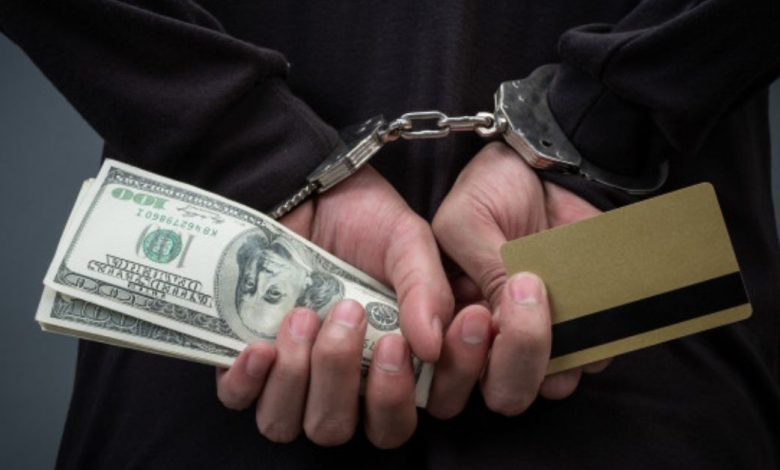
Both men have appeared at the Bolton Crown Court on Monday on count of numerous offences. Watson had worn a face mask when appearing and had pleaded not guilty for the two counts of fraud by dishonesty that he had been charged for. Watson had claimed that the debit card, which had been used to purchase the £10 scratch card, had been in the name of Joshua Addyman and that he had explicit permission to buy the scratch card from a Waitrose in Clapham, London. During April 21 and 25 of the same year, he had committed fraud, to which he subsequently pleaded not guilty. These charges relate to the false representations which were made to Camelot allegedly when he claimed that he had been in lawful possession of the scratch card in addition to being entitled to claim the pay-out of £4 million. The co-accused, Goodram, is facing the same charges as Watson although, due to having contracted coronavirus and therefore unable to stand trial, Judge Timothy Stead decreed that a further hearing ,in which Goodram can enter his plea, will be held on November 10. The trial has been set for October 13, 2021 and is expected to last up to three days. Watson has been granted bail in the meantime. It is imperative to ensure that bank cards and their corresponding ATM Pins are kept safe. Although numerous cards have a ‘Tap and Go’ function, it is crucial to ensure that these limits remain as low as possible and that certain limits require a PIN-code. Although a useful function when considering the current health requirements and regulations in effect to prevent the further spread of Covid-19, there are numerous risks involved with this function when bank card owners do not ensure that they have PIN-codes that must be entered on purchases of certain amounts. Fraudulent claims and impersonations are considered criminal activity and those who partake in it will be tried and charged in court of law. When considering the implications, committing such crimes which could otherwise have been avoided, does not make any sense. In addition, for reasons such as these, lottery providers and outlets have strict rules and regulations in place to ensure that the identity of the winner can be confirmed before pay-outs are made to anyone who have a possible claim. Pay-outs over and of a certain amount must be claimed in person at a regional office so that the particulars of the winner can be confirmed and so that the provider can confirm that no fraud, identify theft or false impersonations are at play. Players who enter into events such as the EuroMillions can confirm whether they have won any of the pay-outs by keeping an eye on the EuroMillions results following their entries.