Fuel-saving tips
South African motorists are likely to be handing over more of their hard-earned money at the fuel pumps at the end of July, according to the Automobile Association (AA) of South Africa.
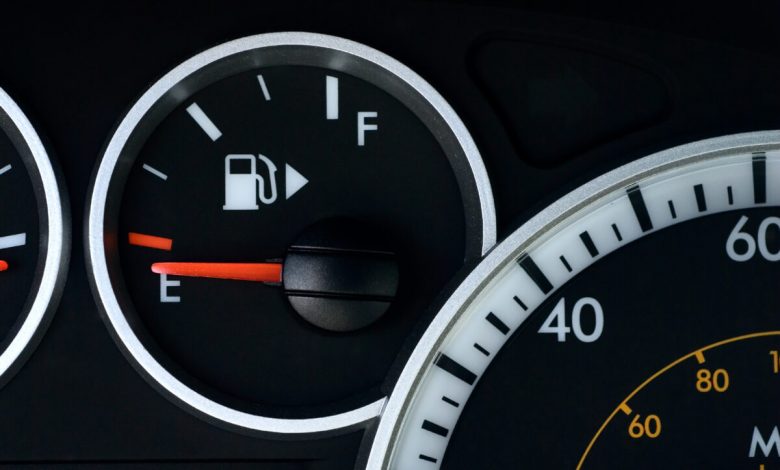
Mid-month data indicates that petrol is set for an increase of 87 cents a litre, diesel 58 cents and illuminating paraffin 56 cents, and the AA says it expects little respite before month-end.
“Fuel prices were already trending higher before the widespread looting and unrest of the past few days. But now, the daily rand/US dollar exchange rate has spiked from R14.35 to nearly R14.80 since June 12. South Africa imports a lot of fuel, which will inevitably cost more in rand terms. Meanwhile, international oil prices remain on the advance, adding further pressure,” said the AA.
Ford South Africa has highlighted a number of simple ways with which South African motorists can mitigate the impact of these latest fuel increases.
Useful tips that can help you be a greener, more fuel-efficient driver both on- and off-road:
Choose a fuel-efficient engine
Both the Ford Ranger and Everest are available with a range of engines that have been designed and developed to deliver an impressive combination of performance and efficiency.
In the most recent WesBank Fuel Economy Tour, Ford’s 2.0-litre Single Turbo engine mated to the 10-speed automatic transmission, saw the Ford Ranger beat all its rivals and take class victory with a winning fuel consumption figure of 6.8l/100km. A fuel-saving mindset and driving style can make a big difference at the pumps, and to your pocket.
Weight is your enemy
This is an obvious one, but one that can be hard for 4×4 owners to side-step. With extra off-road equipment, driving lights, a UHF antenna, roof racks and an extra spare tyre, the weight begins to add up.
It can be tempting to keep everything in your bakkie, ready for your next adventure, but you’ll pay a premium to do so. Reducing the weight of your vehicle by as little as 50kg could result in a fuel economy improvement of between one and two per cent.
If you’re not planning on going anywhere anytime soon, remove the unnecessary gear from your vehicle and save some money for your next trip.
Similarly, when you are heading out into the countryside, think about what you’ll actually need and only take essentials. If you’re heading out with others, think about sharing resources to save weight: perhaps only one of you needs to take a tool kit.
Take bulky stuff off the roof
If you regularly carry gear on your roof racks while off-roading, remember to remove it when you get back home.
Leaving a roof pod, roof cage or rooftop tent bolted up on top of your 4×4 when you’re not using it creates unnecessary aerodynamic drag (or wind resistance). Indeed, depending on where you’re driving and the speed you’re travelling at, driving around with bulky items on the rooftop can increase fuel consumption by up to 25% (increasing the faster you drive).
Drive sensibly
Aggressive acceleration and braking can increase your fuel consumption by up to 30%. What you want to do is accelerate gently, then once you’re at the speed limit maintain the posted limit while scanning the road ahead.
If you do spot a traffic issue up ahead, lift off the throttle earlier to reduce speed gradually, rather than diving on the brakes at the last minute only to accelerate hard again to reach the desired speed.
One handy hint when you’re driving on the highway is to make use of cruise control as this will help maintain the posted speed limit without sudden fuel-sucking fluctuations in speed; just remember to deactivate cruise control when there are hazardous driving conditions.
Speed matters
It’s simple, the faster you go, the more fuel you’ll use. Up to around 80km/h, the energy required to overcome wind resistance on a vehicle is minimal. But push beyond that and drag increases exponentially.
If your vehicle has a real-time fuel economy reading you can use it to get an idea of how much fuel you’re using at different speeds, which will help you find your vehicle’s sweet spot. This could equate to being in top gear at the lowest possible revs.
Driving at 80km/h in a 100km/h zone might get you great economy but it will also frustrate your fellow motorists. So, use common sense and be aware the harder your vehicle has to work, the more fuel you’ll use.
Talking tyres
Ensure your vehicle’s tyres are inflated as per the manufacturer’s recommendation (usually located on a sticker on the door sill – or in the owner’s manual).
The importance of properly inflated tyres goes beyond just reducing rolling resistance and improving fuel efficiency: it’s also about vehicle safety.
Over-inflate your tyres and you risk reduced grip and increased wear. Similarly, drive with tyre pressures too low and you’ll increase the rolling resistance which means your vehicle will be working harder to travel at the same speed.
What about when you’re off-roading?
If you’re driving on sand, you’ll need to drop your tyre pressures to help the tyres float across the surface rather than plough into it. Doing this reduces drag on the tyres and cuts the amount of work the engine needs to do to turn them, thereby saving fuel.
Another thing you might not think about is the type of tyres you’re running. It’s common for off-road drivers to swap their tyres for a more aggressive tread pattern (which is usually a heavier tyre too), but while this will improve grip and performance off-road it will also increase the vehicle’s fuel consumption.
By increasing the rolling resistance and weight of the tyre you’re making the engine work harder and thus use more fuel.
Additionally, have the wheel alignment on your vehicle checked. If the alignment is out, the engine will be working harder and thus using more fuel, not to mention you’ll be reducing the life of your tyres, and adversely affect your vehicle’s handling.
Time to tow
Fuel consumption increases when towing, so the main thing you need to do to maximise fuel consumption is to watch your speed.
And by that, we mean keeping your speed down because as you increase speed, wind resistance on your vehicle and your towed load increase, which means your vehicle’s engine has to work harder to maintain the posted speed limit.
Driving 10-15km/h under the speed limit (on the highway) won’t see you holding up traffic, but it should see you saving fuel.
Service is serious
Make sure you keep your vehicle regularly serviced. During each service, your Ford dealership will run your vehicle through a barrage of checks, picking up on things like faulty sensors that can lead to increased fuel use.
For instance, fixing a faulty oxygen sensor could improve your vehicle’s fuel efficiency by around 40%. Similarly, using the wrong engine oil in your vehicle can affect fuel consumption by up to 2%.
Combine your trips
How many times have you run to the shops or the local hardware store, got back home and then realised you need to go back because you forgot something?
All of those little trips will see you use more fuel than a longer drive at a consistent speed. So make a list of all the things you need to get and tick them off as you go.