November is Disability Rights Awareness Month
Disability Rights Awareness Month: It’s about more than just the job.
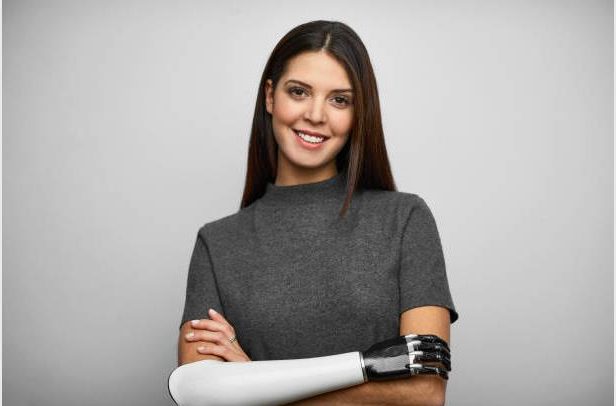
For many people who have experienced a life-changing injury, the journey to returning to work may require not only physical therapy but also recovery from the emotional aspects that accompany adjustment to the disability.
Even once these goals are attained, the stigma and misperceptions about people with disabilities can present unnecessary pain and challenges that few people are fully aware of.
“Putting the focus back on people’s abilities rather than disabilities so that they can earn a living is what we aim for in vocational rehabilitation and prevocational therapy,” said Felicity Pienaar, an occupational therapist who practises at Netcare Akeso Nelspruit mental health facility.
Whether a disability is physical, cognitive, behavioural or emotional, much can be achieved with multi-disciplinary therapies geared towards helping the individual develop their capabilities and skills.
From changes and loss to new goals
“If a person is not able to return to their previous job, this may bring about a major sense of loss for them. If the person was the breadwinner for their family, a change from this role can be especially difficult to accept.
Professional mental health support can help work through changes to the individual’s life and their self-identity,” she said.
Pienaar pointed out that one way in which occupational therapy can help support the person is to redefine some of the goals they had set before their life-changing injury, focusing on what is realistically achievable with both short and long-term goals in mind.
“It is about finding ways to be independent within your means. In therapy, we aim to extend each person’s abilities so that they can develop confidence and regain as much independence as possible,” she added.
“Particularly when multi-disciplinary professional support is available, it is often possible for a person to develop skills and talents in new areas and secure employment in a new role if necessary. For some people, this can make the difference between economic exclusion and earning a living.
“In addition, there is a satisfaction for the person in being part of a collective group effort and the benefit of having a structured weekly work routine. Crucially, securing and maintaining a job builds confidence and motivation for future goals, and who knows where this could lead?”
Mountains still to climb
Vocational rehabilitation therapy is an emerging field in South Africa and generally remains under-resourced, with the result that many people with disabilities are unlikely to have access to such therapy, even in the private sector, which may have enabled them to return to work.
“While it is resource-intensive initially, vocational rehabilitation helps people to reintegrate and builds economic inclusivity. It is usually not covered by medical aid, although it is covered in some insurance policies,” Pienaar explained.
Even when vocational rehabilitation therapy is accessible, sometimes, the progress made in therapy can be impacted if a person faces exclusion or stigma in their communities or the workplace.
Netcare Akeso offers corporate presentations on a range of topics to help facilitate understanding and promote good mental well-being for all in the workplace.
“Even today, people with disabilities are not always met with understanding and sensitivity in their daily lives.
“Other people’s reactions and unconscious prejudices can sometimes stand in the way of equal opportunities and people with disabilities reaching their fullest potential. Greater awareness and understanding are needed to make our society and working environments more respectful and inclusive,” Pienaar concluded.