WATCH: Johannesburg Water manages leaks with high-tech detention
JW team identifies leaks and implements various interventions aimed at reducing water losses and managing consumption.
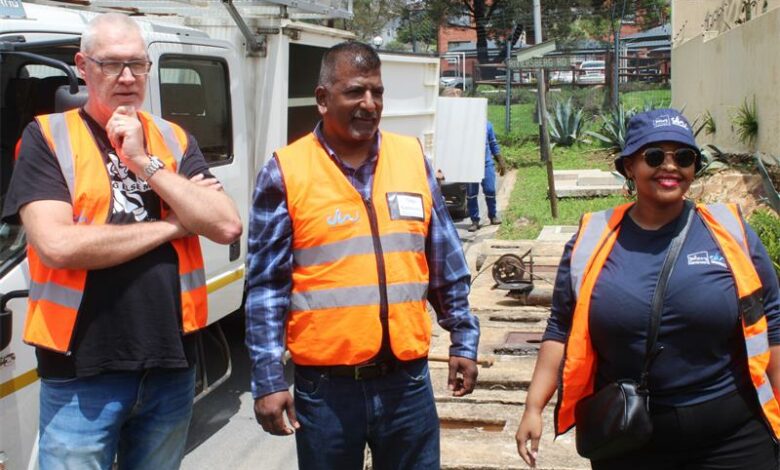
Johannesburg Water’s (JW) goal is to reduce water loss in its system, and they call for combined efforts to achieve this objective.
On November 26, they opened their doors to the media, showcasing high-tech leak detection efforts.
The demonstration was held at the corner of Krausberg Street and Riversberg Drive in Oakdene.
@southern.courierJW team identifies leaks and implements various interventions aimed at reducing water losses and managing consumption. Read more on southerncourier.co.za
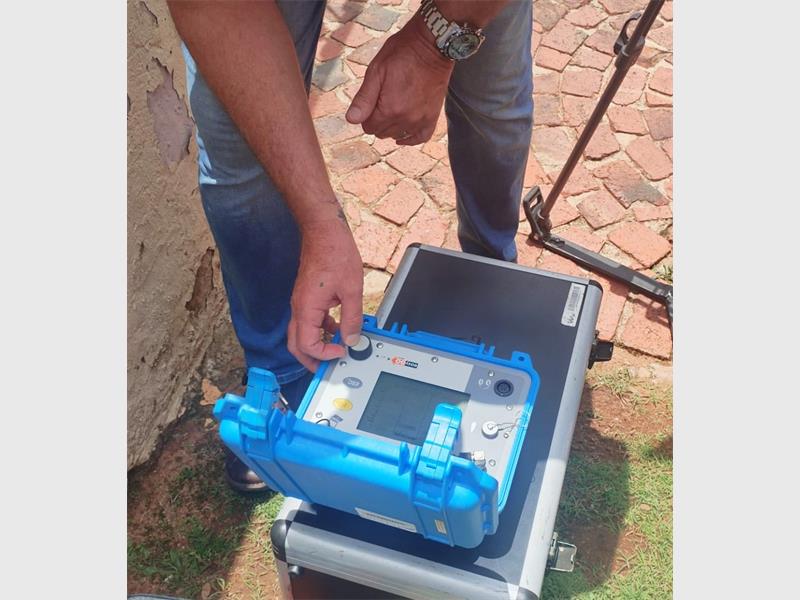
JW acting physical loss manager Thega Kandasamy and ops manager Jimmy Callander conducted the demonstration, including leak detention activities using acoustic, correlator, pressure reducing valves (PRVs) and noise loggers.
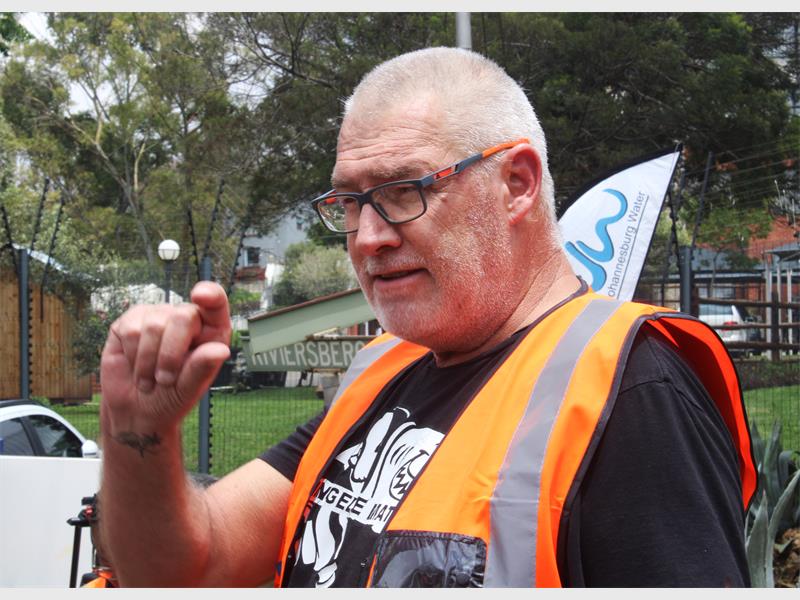
They offered a rare, close-up look at the utility’s intensified leak detection operations, an essential component of the City of Johannesburg’s strategy to curb water losses and protect its fragile water supply.
Talking about PVRs, Callander said at night, when there is no great demand for water, the pressure will build up in the system automatically, and then the smart controllers in the PVRs will reduce the pressure, making a smooth flow to the end-user.
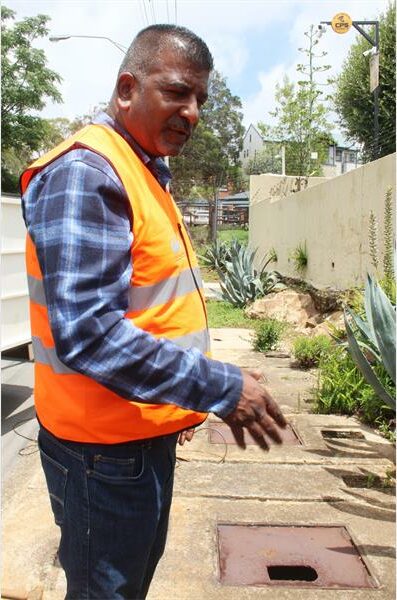
Kandasamy said, “With South Africa facing increasing water scarcity and ageing infrastructure, the Entity has adopted a more proactive and high-tech approach to managing leaks.
“Today we highlighted how Johannesburg Water is leveraging advanced technology and specialised equipment to find and fix leaks faster, ultimately reducing non-revenue water and improving service reliability for residents.”
@southern.courierJW team identifies leaks and implements various interventions aimed at reducing water losses and managing consumption. Read more on southerncourier.co.za♬ original sound – Southern Courier
JW highlighted the suite of advanced tools and systems that form the backbone of its leak detection programme, including:
• Acoustic leak detection devices are used to listen for and pinpoint hidden leaks along pipelines.
• Correlators that analyse sound frequencies to identify the exact location of underground losses.
• Pressure management through pressure-reducing valves (PRVs).
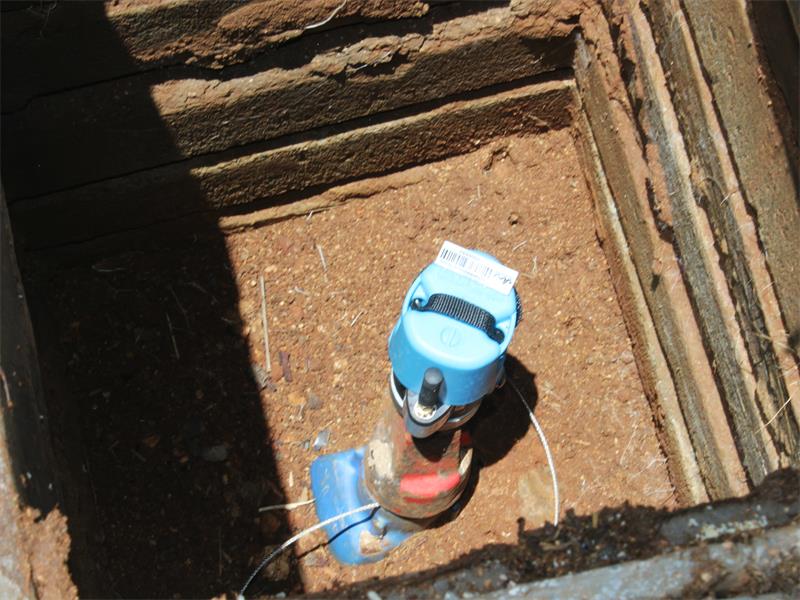
• Digital monitoring and evaluation of both the PRV smart controllers and the noise loggers.
They have thus far installed 51 smart controllers and 225 noise loggers across the city, with plans to install additional smart controllers, noise loggers, and leak detection equipment.
These technologies enable JW to adopt a proactive rather than reactive approach, significantly reducing response times, preventing avoidable bursts, and improving service reliability.