AACL-JHB refutes allegations of animal neglect and abuse
Damien Sykes believes his cat died from neglect and an untreated infection.
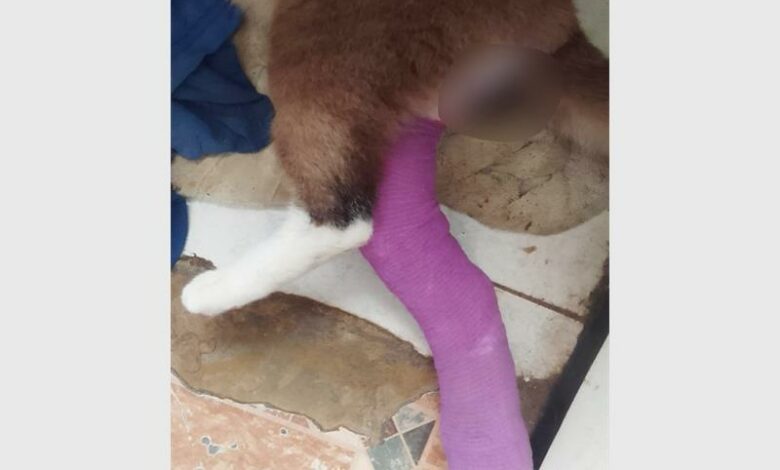
Elladoone resident Damien Sykes cried foul after his cat, Bella, died of what he alleged was animal neglect and abuse by Animal Anti-Cruelty League Johannesburg (AACL-JHB).
Carren Nickloes, the marketing manager at the AACL-JHB, said they are committed to ethical practice, transparency, and the welfare of all animals entrusted to their care. She added that they had reviewed this matter internally in accordance with their standard clinical governance procedures and remain open to directly and constructively engaging with the owners.
Sykes said on January 26, his cat was taken to the AACL-JHB for treatment of an infection in his back leg.
“From the moment he was admitted, there were serious concerns. Instead of examining and treating the infected leg, the staff focused on pressuring us to have him sterilised before they would help with his medical condition. His leg was not properly assessed at that time.
“He remained at the AACL-JHB until January 28, when he was returned to us in a severely deteriorated condition. He had razor cuts, open wounds and was clearly in significant pain. His injured leg was left untreated for nine days after the visit, during which time there were no check-ups or follow-up examinations,” explained Sykes.
He said he returned to the AACL-JHB for a bandage change on February 2. During this visit, the attending doctor told them it was a rotten leg, which raised concerns about professional competence.
“Instead of explaining his condition, the staff took him from us, stating they were changing bandages only. We were not allowed to see what was being done, and no clear communication was given about his condition or treatment.
“On February 3, my cat was sent home in a critical state. He was severely underweight, unable to walk, in extreme pain, not eating or drinking, and had a temperature exceeding 40°C, indicating severe infection. He was also highly dehydrated. Despite these life-threatening symptoms, the AACL-JHB still discharged him.
“Once home, my cat lay motionless for over three hours. We then took him to a private veterinary practice in Alberton for a second opinion. Upon examination, the vet opened the injured leg and found that it was black, necrotic: the flesh was peeling away from the bone. We were informed that this condition was the result of severe neglect and abuse, and that the leg should never have been closed without proper treatment,” he noted.
Sykes said due to financial constraints, they could not afford the extensive emergency care required at the private facility and took their cat home.
“A few hours later, he passed away, directly as a result of the neglect and untreated infection. Tragically, this is not the first incident we have experienced with the AACL-JHB. Another of our cats was taken there for a broken leg. Instead of appropriate treatment, the leg was simply closed, leading to rotting tissue. We were again forced to seek help from a private vet to save the cat’s leg, as their solution appeared to be amputation rather than proper care.
“There are multiple similar complaints from other pet owners regarding the AACL-JHB, where animals are allegedly not properly examined or treated unless owners can afford higher payments. There are no accessible payment plans, leaving low-income families with no safe or humane options to save their pets. An organisation entrusted with preventing animal cruelty should never be responsible for causing it. These events raise serious concerns about professional standards, transparency and accountability at the AACL JHB,” he said.
The AACL-JHB response
“The AACL-JHB treats all concerns regarding animal welfare and veterinary care extremely seriously. We are deeply saddened whenever an animal passes away, and we extend our condolences to the family involved.
“While we are bound by client confidentiality and cannot release full medical records publicly, we can clarify important clinical aspects relevant to this case. We have taken note of the veterinary medical notes on record and video footage of the initial consultation and treatment of Bella (the patient).
“On January 26, the patient presented with a severe swelling injury to the right hind limb, after being missing over the weekend. Bella was understandably irritable and unco-operative due to pain and dehydration. It was discussed with the owner that Bella be placed on a drip, sedated for X-rays and a clinical examination.
It was explained to Mr Sykes that the cat required urgent medical care. He agreed and signed the quotation of R1 400, with the understanding that he would go and raise the funds. Bella’s treatment was immediately started, and he was placed on intravenous fluid therapy.
“Such injuries can lead to tissue death (necrosis) over several days, even with appropriate treatment. He was an intact male cat that roamed. Diagnostic testing further confirmed that the cat was positive for Feline immunodeficiency virus (FIV) and Feline leukaemia virus (FeLV). These viral conditions significantly weaken the immune system and are well recognised in veterinary medicine for causing delayed wound healing, increased susceptibility to infection, and a higher risk of complications following trauma or surgery.
“From the first presentation, Bella received ongoing pain management, antibiotics, wound care (under sedation) and ongoing monitoring. In cases of severe limb trauma with evolving necrosis, it is often medically necessary to allow clear demarcation between viable and non-viable tissue before surgical amputation is considered.
This approach reduces the risk of repeated surgeries, wound breakdown and post-operative complications. His dressings were maintained during the progression of necrosis to allow for adequate demarcation before definitive surgical intervention.
As Bella’s injury progressed and the extent of tissue compromise became clearer, amputation of the affected limb was recommended as the most appropriate surgical intervention.
“We note the claims suggesting that sterilisation was prioritised over treatment of the injury. This is inaccurate. Any discussion regarding sterilisation was secondary and raised only because the cat would already require general anaesthesia for the recommended surgical procedure. Sterilisation in such cases can also help reduce roaming behaviours, which are a common contributing factor to traumatic injuries in unsterilised animals. It would also minimise the spread of the FIV and FeLV to other cats.
“Mr Sykes was reluctant to authorise amputation of the necrotic limb as he did not believe cats should have three legs. A final decision on the sterilisation while under anaesthesia was also not confirmed.
Bella was released to the care of Mr and Mrs Sykes on February 3, with a clean bandage, medication for pain and two different antibiotics, with instructions to bring Bella back on February 9 to check the wound. As Bella was difficult to handle, he would need to be sedated for the assessment of the wound.
“Bella was later, that day, taken and examined by another veterinary practice after hours, whose independent clinical findings also noted severe necrosis of the limb and supported the need for amputation. This alignment between two veterinary assessments reflects the severity and progression of the injury rather than a lack of care.
“Unfortunately, animals with extensive traumatic injuries combined with immune-compromising diseases such as FIV and FeLV can rapidly deteriorate despite appropriate veterinary intervention. These cases carry a guarded to poor prognosis due to the body’s reduced ability to control infection and support healing.”
Download or read Bella Sykes’ full medical record timeline here.