Greater Kyalami Conservancy shares highlights from the year
KYALAMI – Policy changes and bullfrogs were the main talking points of the Gekco conservancy annual meeting.
Greater Kyalami Conservancy (Gekco) virtually hosted their 13th annual general meeting on the evening of 30 September, highlighting what happened in the last year.
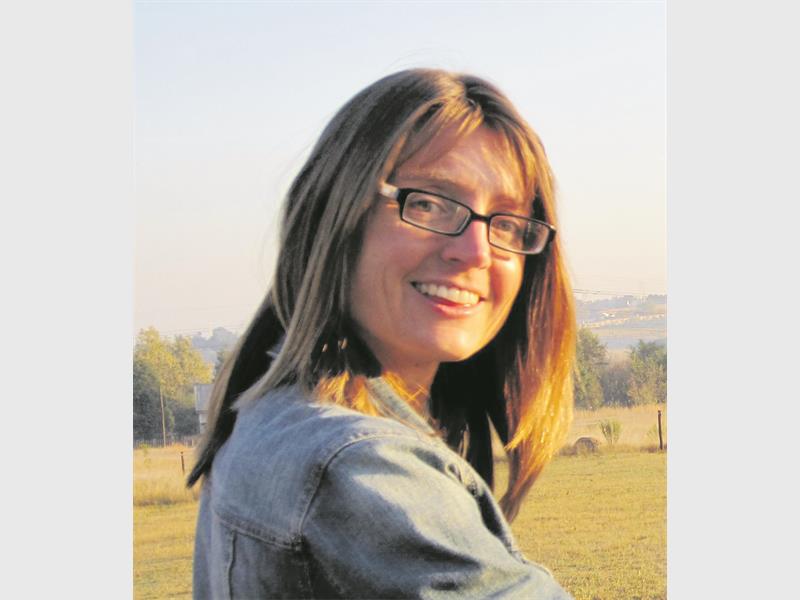
About 21 people logged in together with Gekco chairperson Kristin Kallesen and the conservancy’s wildlife expert Anton van Niekerk. Giving her chairperson’s report, Kallesen said it was an interesting year for them from an environmental and social perspective.
“The lockdown world we are in right now is certainly something none of us have been through, and it’s something everyone has been impacted by,” she said. “We’ve been impacted in that we have not been able to have many river clean-ups, but we find ways to adapt as it continues.”
She continued to speak on the policy changes taking place at the moment, including the Nodal Policy which affects development. The Nodal Policy, according to the Gekco website, is development policy adopted by the city council on 27 February of this year. It aims to concentrate development around existing urban nodes to limit urban sprawl and the cost of infrastructure.
“It replaces the RSDF [Regional Spatial Development Framework] and was highly contentious, and a number of residential associations were considering, and may still be considering taking a legal review of the decision because of specific issues. In our area, we are less affected by some of those changes as we are outside the urban boundary.”
Kallesen explained the effects on the areas that could be affected by the Nodal Policy. “Most of the Gekco area falls outside the urban boundary, with some areas falling right on the fringe. It deals with reducing densities allowed in the areas inside the urban boundary. Areas where initially 100 units per hectare would be considered, are now looking at 20 units per hectare.”
Kallesen gave more updates on the K56 road alignment and other policies under review. She concluded that communities needed to step forward and start protecting the environment that was around them.
She spoke of different community groups which were taking charge in looking after their area, including Armour (Action for Responsible Management of Our Rivers) and Diepsloot Action Group.
Van Niekerk gave a brief summary of the recent survey conducted on bullfrog sightings in the conservancy, saying there was a great positive explosion of young bullfrogs coming out of the breeding season. “We ran a giant bullfrog survey and had a positive response. People were reporting where they breed. This data is being used for research purposes,” he said.
“We are seeing mass simultaneous breeding across the entire conservancy, and residents were saying they hadn’t seen a high number of large males breeding together, in their memory.”
Van Niekerk said the Diepsloot community had contacted Gekco to help manage bullfrogs found in the area and place them in viable breeding areas as the township was built on breeding pans.
“We had very positive members of the community help to share that bullfrogs are something not to be feared, but loved and respected, and put back in their breeding areas.”
Gekco’s Alwina Brand gave a quick rundown of the financials of the conservancy, and Kallesen gave a chance for attendees to ask questions.
To close off proceedings, a vote took place for Gekco members to decide when the next annual general meeting would take place.