
Mixed reactions as e-hailing services gain legal recognition
The new law officially recognises e-hailing in South Africa, but drivers warn that hidden costs and strict operating limits could put them at greater risk on the roads.

While the National Land Transport Amendment Act has been welcomed by some residents for finally giving e-hailing services legal recognition, not all e-hailing drivers are celebrating.
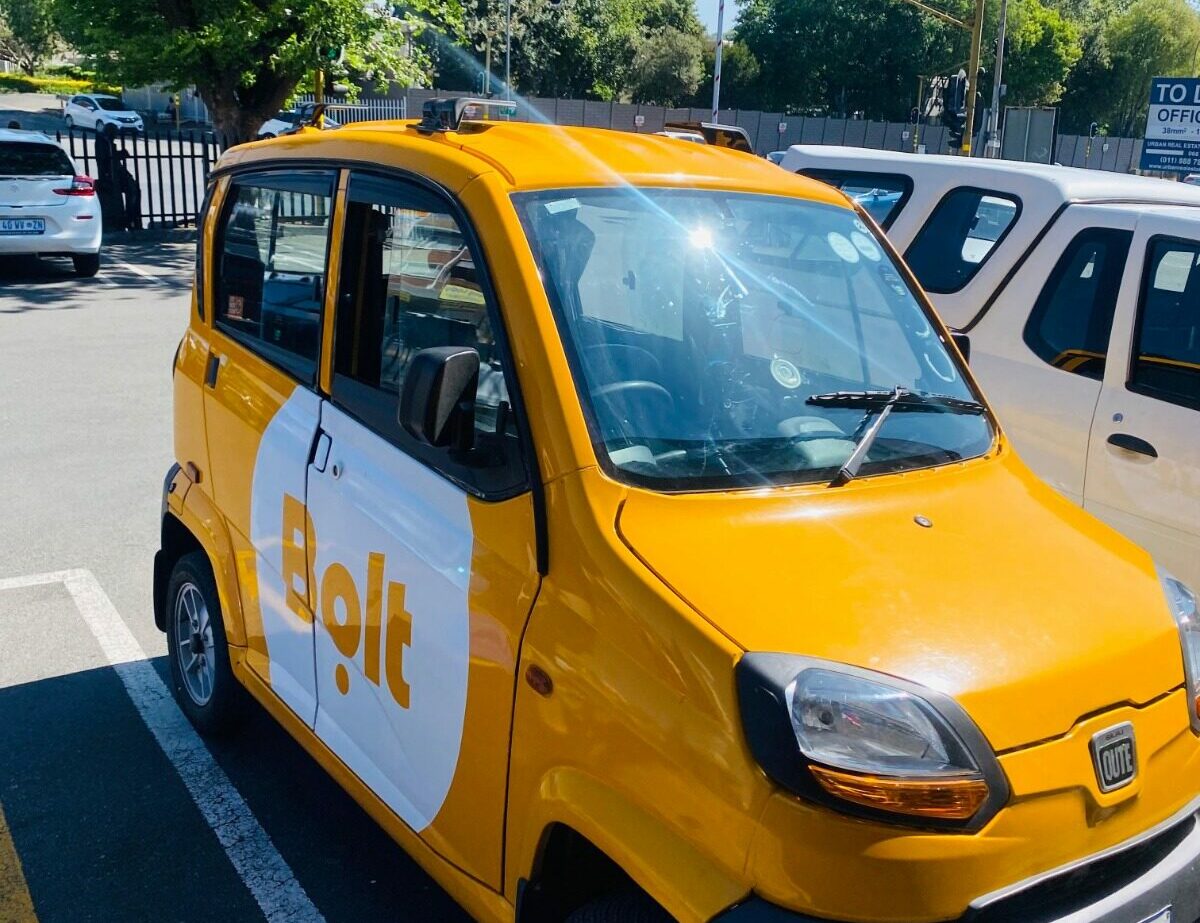
Wanga Singo, a 29-year-old Bolt driver, said he is not pleased with some of the requirements, particularly the vehicle branding.
He said that branded cars make e-hailing drivers an easy target for hostility from other road users, especially taxi drivers. “Branding us puts a spotlight on us, and sometimes it feels unsafe because we are easily identified on the road. I am speaking from experience. I was once chased out of an area because of it.”
Singo also raised concerns about restrictions on where operators can work.
Read more: Santaco meets taxi drivers accused of illegal ranks on Winnie Mandela Drive
“We are told to operate in certain areas only, but that limits our work because, unlike taxis, we deliver people right at their front door. So, it means if I get a trip to Pretoria for instance, I won’t be allowed to return with a customer since I am not operating in that area.”
Another e-hailing driver, Matekane Matekane, who chose not to disclose the name of the company he works for, said the new rules come with hidden costs that drivers simply cannot afford.
“We are already struggling with high petrol prices, maintenance, and the commissions that apps take from us. Now they want us to pay license fees, application fees, install panic buttons, and even brand our cars. That branding makes us targets on the road. Taxi drivers see us and come after us. How is that protecting us?”
He added that while the act is presented as a way to improve safety, it seems to prioritise commuters over drivers.
“Yes, passengers must be safe, but what about drivers? Many of us work late nights, and the department has not said anything about protecting drivers from hijackings and robberies. It feels like all the responsibility is placed on us, but very little support comes back.”
The National Land Transport Amendment Act, gazetted on September 12, formally recognised e-hailing as a legal mode of public transport for the first time. It requires all operators to obtain an operating license, a measure the Department of Transport says will ensure services remain authorised and safe.
Also read: E-hailing apps risk R100 000 fine or jail if drivers operate without compliance
According to the department, in a notice on social media, app companies offering e-hailing services must register with regulators and comply with company laws, under the Department of Trade, Industry, and Competition, as well as the South African Revenue Service (SARS).
Developers who allow unlicensed operators on their platforms risk a fine of up to R100 000 or two years in prison.
“As part of the compliance process, provincial regulatory offices will vet applications before issuing operating licenses,” said the notice. “Drivers will also have to pay standard licensing fees, application fees, and other costs outside the department’s purview.”
Beyond licensing, the act places a strong emphasis on commuter safety.
Vehicles must be branded or display a sign showing they are operating under the e-hailing category, and commuters are urged to check that driver and vehicle details match what is reflected in the app.
The legislation also requires all e-hailing vehicles to be fitted with panic buttons, intended to provide a quick emergency response and assist with crime detection.
“Vehicle owners will be responsible for installing the devices, with the department promising to roll out workshops to guide both operators and officials in the coming weeks,” said the department.
Follow us on our Whatsapp channel, Facebook, X, Instagram and TikTok for the latest updates