
Traditional Easter food from around the world
Easter is not only a time for celebration but also a feast for the senses. Around the globe, families come together to share unique and delicious dishes that reflect cultural heritage and seasonal ingredients.
Easter is a Christian holiday that celebrates the resurrection of Jesus Christ from the dead, which is said to have occurred on the third day after his crucifixion.
It is considered the most important and oldest festival of the Christian Church, commemorating Christianity’s central beliefs.
The date of Easter varies each year, as it is based on a lunisolar calendar. It is celebrated on the first Sunday following the first full moon on or after the vernal equinox (about March 21). This means that Easter can occur as early as March 22 and as late as April 25.
Also read: 21st annual KES Easter Rugby Festival kicks off in Johannesburg with exciting fixtures
Easter is preceded by Lent, 40 days of fasting and penance, and it concludes the Holy Week, which includes Palm Sunday, Maundy Thursday, and Good Friday.
Easter holidays are a time of coming together, whether celebrating this holiday by spending quality time with your loved ones, Easter is undoubtedly a time for delicious dishes and sweet treats.

From the spicy curries to the hearty stews, traditional dishes tell the story of their people, making each bite a tribute to the rich tapestry of global culture.
Also read: Riders giddy up for the ultimate equestrian experience at 2025’s Toyota Easter Festival
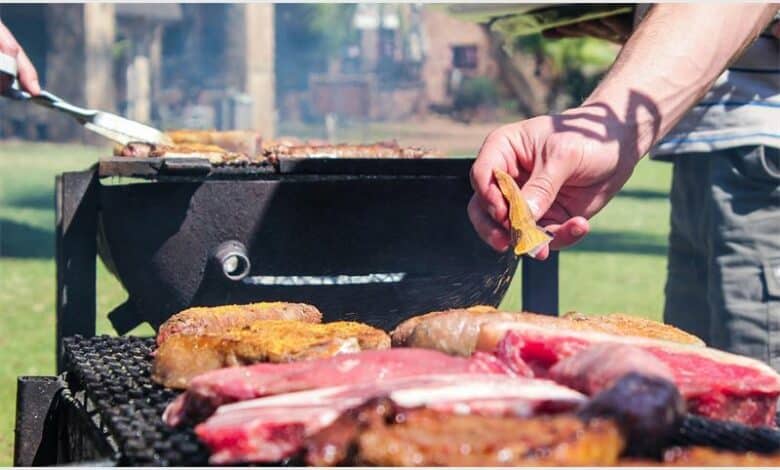
According to Spekko Rice blogs, in South Africa, we have a wonderful mix of traditions and cultures. Traditionally, around this time of year, we enjoy coming together to enjoy a roast lamb, some pickled fish, or even whipping out the braai to add our local flair. Added to these dishes is a true Easter treat: the hot cross bun.
Yeast dough buns filled with currants and raisins were once eaten year-round in pagan times. The bun represented the moon and was split into four quarters to represent the four seasons.
Christians then took over this tradition and changed the meaning of the cross to represent the cross Jesus died on. These buns are now enjoyed throughout the year by anyone, however, they will always hold a special meaning at Easter.
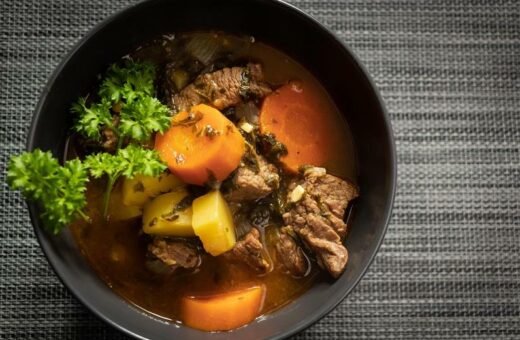
Looking further into Africa, in Ethiopia, they celebrate with an Easter breakfast consisting of ‘dabo’ which is sour-dough bread. In the afternoon, they eat their main meal, which usually consists of a pancake called ‘injera’ and is eaten with a mutton or lamb stew.
Read more: Camaraderie, skill, and sportsmanship expected at St John’s College rugby festival
The tradition of eating lamb is a popular one. On Easter morning in Greece, a soup made of lamb’s stomach is sometimes eaten with the rest of the lamb being roasted for their main meal at lunchtime.

Easter wouldn’t be Easter without some sweet treats, so the Greeks also enjoy a cake made with oranges and almonds covered in a spicy orange sauce. In the UK, they eat simnel cake, which is a rich fruit cake covered with a layer of marzipan – it is traditionally eaten on the middle Sunday of Lent.
Looking at Italy, they tend towards more savoury treats, with salty pretzels being the order of the day. In Russia, they also enjoy savoury dishes with ‘blini’s’ which are little pancakes with anchovies and a mixture of cream, sour cream, dried fruit and orange peel called ‘paska’.
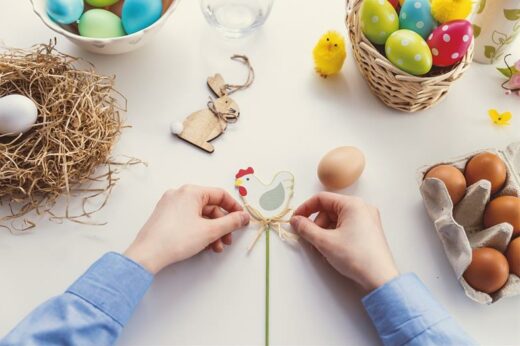
And of course we cannot forget the main food enjoyed at this time of year, eggs. Whether boiled, fried, scrambled, or made of chocolate, eggs symbolise new life and represent Easter across the world.
Follow us on our Whatsapp channel, Facebook, X, Instagram and TikTok for the latest updates and inspiration! Have a story idea? We’d love to hear from you – join our WhatsApp group and share your thoughts!