
Smoke inhalation safety
The following symptoms can suggest that you are suffering from smoke inhalation.
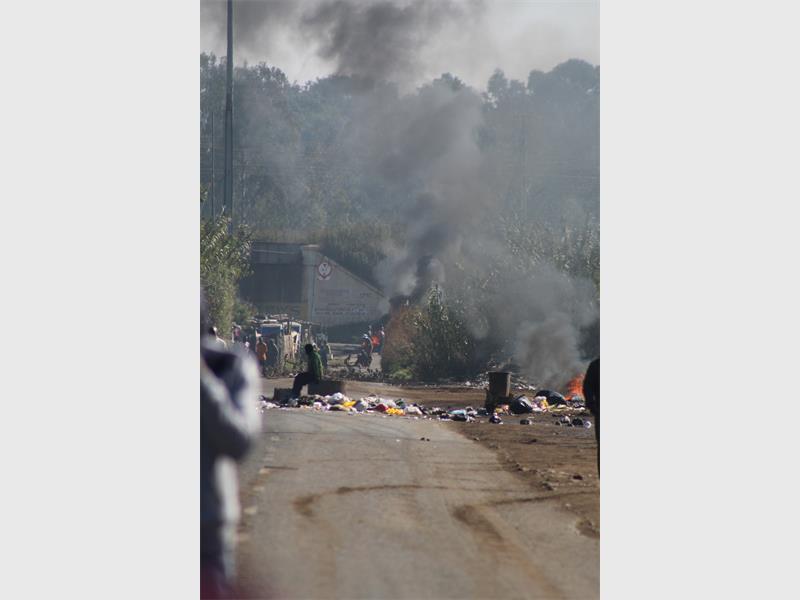
Arrive Alive recently sought the assistance of Shawn Herbst (Netcare 911 ), Russel Meiring and Ineke van Huyssteen (both from ER24) and Robert Mckenzie (KZN EMS) to learn more about the dangers of smoke inhalation and what needs to be done to treat the victims of this threat to health and safety.
Victims of fires must be treated not only for burn wounds sustained from the fire itself, but also for smoke inhalation, which is a danger which many underestimate.
Anyone suffering from smoke inhalation can experience the follow symptoms:
• Simple asphyxiation:
Combustion can simply use up the oxygen near the fire and lead to death when there is no oxygen for a person to breathe. The smoke itself can contain products that do not cause direct harm to a person, but they take up the space that is needed for oxygen.
• Irritant compounds:
Combustion can result in the formation of chemicals that cause direct injury when they contact the skin and mucous membranes. These substances disrupt the normal lining of the respiratory tract. This disruption can potentially cause swelling, airway collapse, and respiratory distress.
Examples of chemical irritants found in smoke include sulphur dioxide, ammonia, hydrogen chloride, and chlorine.
• Chemical asphyxiates:
A fire can produce compounds that do damage by interfering with the body’s oxygen use at a cellular level.
Carbon monoxide, hydrogen cyanide, and hydrogen sulphide are all examples of chemicals produced in fires that interfere with the use of oxygen by the cell during the production of energy.
If either the delivery of oxygen or the use of oxygen is inhibited, cells will die.
Carbon monoxide poisoning has been found to be the leading cause of death in smoke inhalation.
ALSO READ: Recognise the signs of a stroke
• A persistent cough:
When the mucous membranes of the respiratory tract get irritated, they secrete more mucus.
Bronchospasm and increased mucus production lead to reflex coughing.
The mucus may be either clear or black depending on the degree of burned particles deposited in the lungs and trachea.
• Shortness of breath:
This may be caused by direct injury to the respiratory tract, leading to decreased oxygen delivery to the blood, the decreased ability of blood to carry oxygen because of chemicals in smoke, or the inability of the body’s cells to use oxygen.
The patient may have rapid breathing as they attempt to compensate for these injuries.
• Hoarseness or noisy breathing:
This may be a sign that fluids are collecting in the upper airway and may cause a blockage.
Irritant chemicals may cause vocal cord spasm, swelling, and constriction of the upper airways.
• Eyes may be red and irritated by the smoke, and the corneas of the eyes may be burnt.
• Skin colour may range from pale to bluish to cherry red.
• Soot in the nostrils or throat may give a clue as to the degree of smoke inhalation. The nostrils and nasal passages may be swollen.
ALSO READ: Handy energy saving tips
• Headaches:
In all fires, people are exposed to various quantities of carbon monoxide.
The patient may have no respiratory problems, but may still have inhaled carbon monoxide.
A headache, nausea, confusion, and vomiting are symptoms of carbon monoxide poisoning.
• Changes in mental status:
Chemical asphyxiates and low levels of oxygen can lead to mental status changes.
Confusion, fainting, seizures, and coma are all potential complications following smoke inhalation.
Any patient that has suffered smoke inhalation should seek emergency medical assistance.
Depending on the damage sustained, these injuries can be lengthy in terms of healing.
It is unfortunately very difficult to discuss strategies for healing until the damage is fully assessed.
Treatment can be as small as basic oxygen medication or as far as in-depth surgery.
People with scarring may have shortness of breath for the rest of their lives.
You may be given medication to take while you recover.
You may need long-term inhalers and other medications to help you breathe better, depending on the damage to your lungs.
In addition to taking medications and following instructions prescribed by your doctor, there are some home treatments you can do following smoke inhalation treatment:
• Get plenty of rest.
• Sleep in a reclined position or prop your head up with pillows to help you breathe easier.
• Avoid smoking or second-hand smoke.
• Avoid things that may irritate your lungs, such as extremely cold, hot, humid, or dry air.
• Carry out any breathing exercises as instructed by your doctor, also known as bronchial hygiene therapy.
Also follow us on: