
Keep your eyes on the prize of perfect vision
The more comprehensive the information you can provide to your optometrist, the better your visit will go.
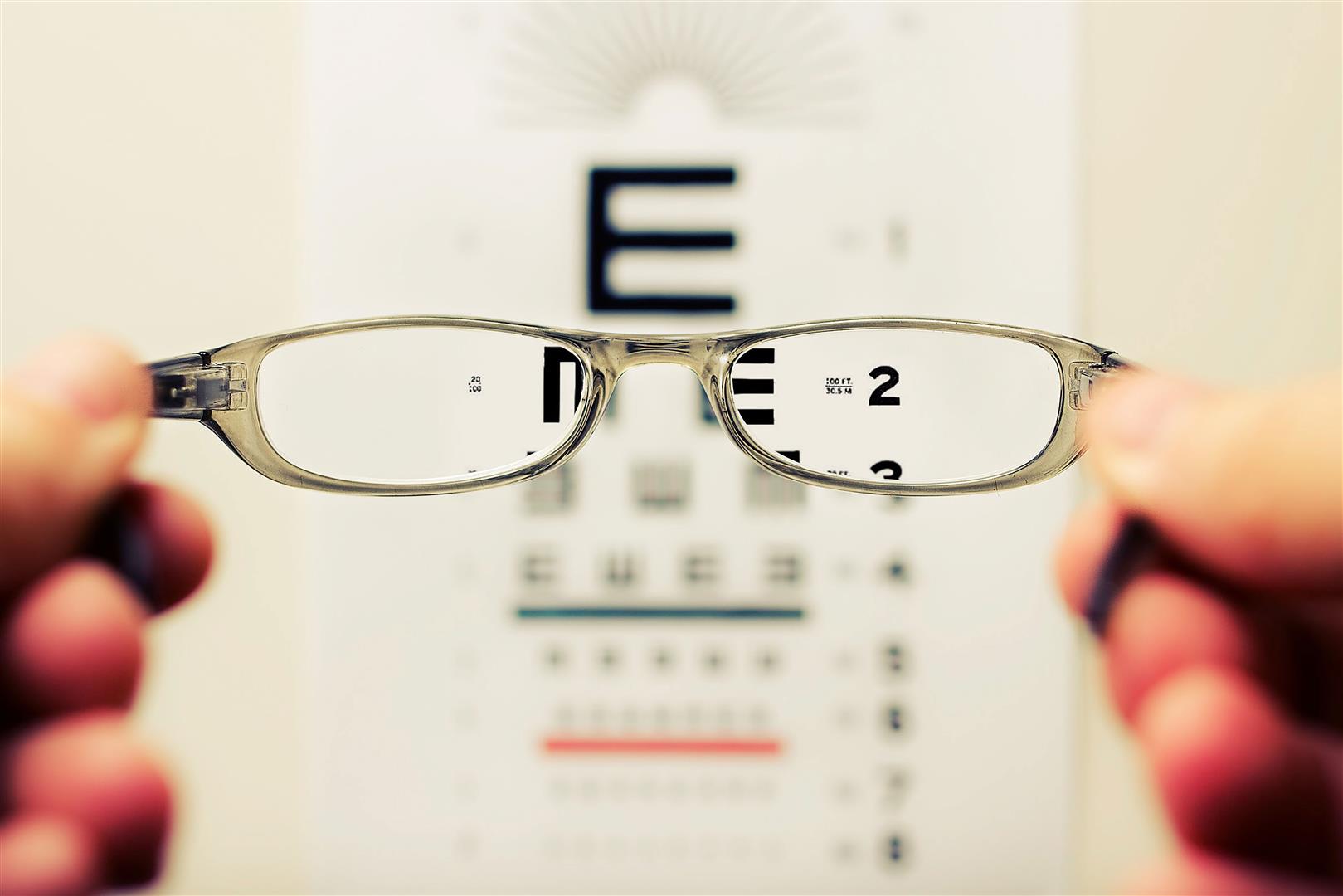
It’s incredible to think that while we have five senses, many of us tend to neglect our eyes because we are nervous about visiting an optometrist.
This is often because we are unsure of what information a medical professional would require and unaware of what questions to ask.
The more and clearer the information you provide, the better it is for you and your optometrist.
With this in mind Tania Noach, an optometrist at Vision Works, suggested patients provide a more comprehensive outline of their medical history and what they were feeling concerning their eyesight in their first visit.
ALSO READ: Learn to care for the sick with Hospice
“People should ensure they have as much information on their ocular history as possible, including bringing along their old glasses and informing the optometrist of any medical issues relating to their eyes, as well as any issues in the family history.
“This is because some eye diseases are genetic in nature, so knowing the family background can be critical,” she said.
“It is also important to inform them in detail of the environment you work in.
“After all, a prescription will be different depending on whether your job keeps you in front of a computer all day or your career involves a lot of outdoor work.
“Extremely bright natural light and screen glare can both affect your eyes, just in different ways.”
According to Tina, people who visit the optometrist don’t have a clear understanding of what is wrong with their eyes, such as whether they are short or far-sighted.
For this reason, it is vital to ask the specialist to clearly describe your condition and understand how it works and what the impact will be on you.
ALSO READ: Recognise the signs of a stroke
“Only by clarifying the condition will you properly understand when exactly you need to use your glasses.
“Using them inappropriately, such as for reading when you actually require them for driving, is not only inappropriate but can create additional issues, such as tension headaches and eye strain.
“It is also important to discuss any symptoms your eyes may be experiencing, such as tearing, burning or itching and what medicine you may be using to treat these symptoms.
“The more comprehensive the information you provide, the more effectively the optometrist can treat you.
“It is also necessary to put to bed once and for all the urban legend that your eyes will only get weaker once you start wearing glasses,” she said.
As long as they are prescribed correctly, provided you have given all the relevant background to the optometrist, glasses will serve purely as a support function to correctly deliver the picture your eyes see to your brain.
They certainly do not in any way weaken or worsen your eyes any further.
“Bearing in mind that your eyes are probably your single most important sense, it is only logical that you look after them well.
“Patients should ensure they do undertake an annual eye test, and should glasses be required, don’t forget to ask for clarity on any part of their usage that may be unclear, when you arrive to collect these from your nearest Vision Works,” Tina concluded.
Have a story?
Contact the newsroom by emailing: Melissa Hart (Editor) germistoncitynews@caxton.co.za or Leigh Hodgson (News Editor) leighh@caxton.co.za or Kgotsofalang Mashilo (journalist) kgotsofalangm@caxton.co.za
Also follow us on: