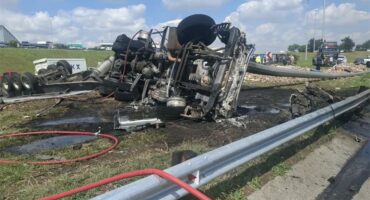
Make sure your gas cylinders are filled safely and professionally these holidays
Holidaymakers are urged to cautions when exchanging or filling gas cylinders during the festive season.

Gas for cooking and powering light appliances has gained enormously in popularity among holidaymakers heading to the great outdoors.
But, getting gas cylinders filled is often left to the last minute or done en-route.
This is something that can have dangerous consequences if consumers are not vigilant when it comes to who is filling their gas cylinders.
The liquefied petroleum (LP) gas market is currently under a potentially dangerous threat from unauthorised dealers illegally filling gas cylinders, which could result in serious accidents.
Caravanners and campers were recently warned that insurance companies may refuse to pay claims for damages caused by illegally filled LPGas cylinders.
According to the chief executive of the LP Gas Safety Association of Southern Africa, Kevin Robertson, unauthorised dealers often do not use properly certified equipment in the refilling process which is an extremely dangerous practice.
“In many instances, the person actually filling the cylinder has not been correctly trained – if at all,” he said.
“Cylinders should only be filled to 80 per cent of their capacity to allow for expansion and many unauthorised refillers todo not have the knowledge or equipment to ensure that this limit is not exceeded.
“Equally, under filling below the 80 per cent level might not be dangerous but does constitute fraud as consumers are being charged for more LPGas than they are actually receiving.”
ALSO READ:
Stay safe in the swimming pool this festive season
Handy holiday health checklist for a stress-free festive season
Robertson further stated that legally filled cylinders could be identified by a branded safety seal displaying the logo of the gas supply company matching the company’s logo (brand) on the cylinder itself.
“Commercially branded cylinders – those where the consumer exchanges an empty cylinder for a filled one – when illegally filled, generally carry a blank plastic seal or no seal at all.
“Some are now even printed with the words ‘LPGas’ to make them look genuine.
“All of these are a clear indication that the cylinder has been illegally filled and should not be accepted by the consumer,” he warned
“Campers and caravanners are urged to check each time they refill their cylinder that is has been filled properly to avoid accidents.”
Have a story?
Contact the newsroom by emailing: Melissa Hart (Editor) germistoncitynews@caxton.co.za, Leigh Hodgson (News Editor) leighh@caxton.co.za or Ashley Kiley (Journalist) ashleyk@caxton.co.za.
Also follow us on: