A day of reading is a day to remember
Reading is a crucial part of learning, it is a fundamental building block in education and that is why NGO Nal’ibali has decided to create awareness about the importance of reading and language use in young children.
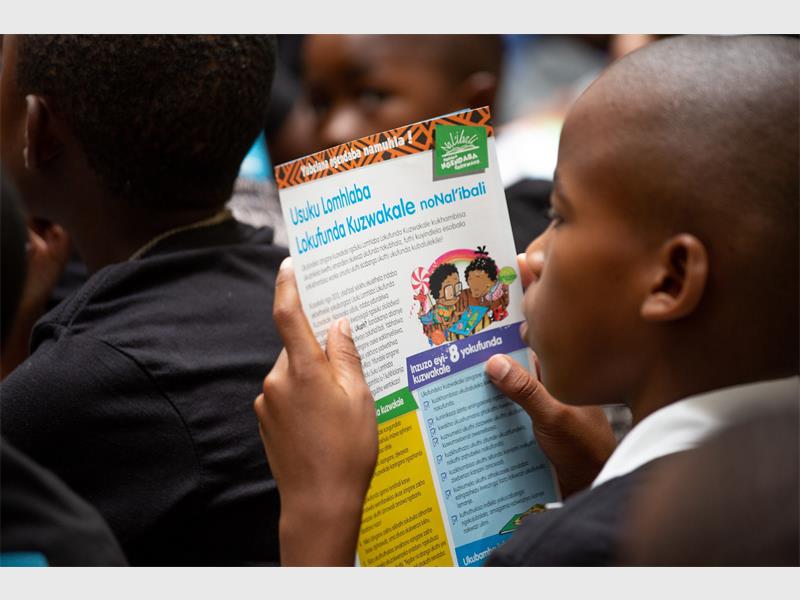
Although education may be the most powerful weapon, reading aloud and storytelling are vital building blocks for learning.
This realisation led to Nal’ibali being founded. Nal’ibali is an NGO that runs a national reading-for-enjoyment campaign designed to assist children reach their full potential through reading and storytelling. Nal’ibali has brought an exceptional story to children for the past seven years to encourage them to celebrate World Read Aloud Day (WRAD).
In their first year (2013), the campaign reached 13 000 children, while last year’s story was read to 1 559 730 children in a single day.
On February 5, Nal’ibali’s goal is to read aloud to over two million children. Nal’ibali celebrates WRAD annually, to draw attention to the importance of reading aloud to children in their mother tongue.
The NGO commissions a brand-new story – best suited for reading aloud to primary school children – and translates it into all 11 official languages.
The organisation urges parents, teachers and caregivers to join it in reading aloud to the children in their lives on the same day.
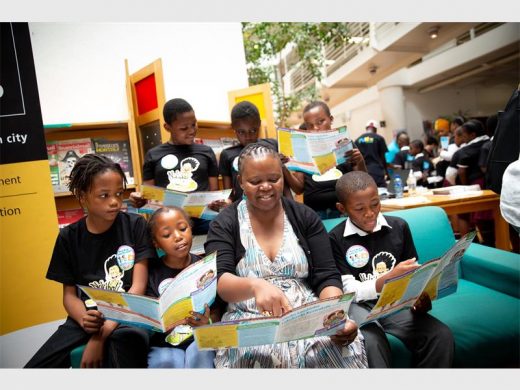
Nal’ibali is based on the logic that a well-established culture of reading can be a real game-changer for education in South Africa.
Literacy skills are a solid forecaster of future academic success in all subjects.
Children who regularly read and hear engaging stories in languages they understand are well-resourced and motivated to learn to read and write.
This year’s story, A Day to Remember, is written by distinguished local author and early literacy expert Lerato Trok.
Trok originally wrote the story in Setswana, her mother tongue, and it was then translated into all the official languages.
“I find it interesting that when I’m commissioned to write a story, without question the default language of writing is English.
“However, for this story it only came naturally once I decided to write it in Setswana.
“It made me realise how we underestimate the power of our own language,” said Trok.
There are a number of benefits to children having a deep understanding of their first language.
The majority of teaching and education in early childhood is oral, which helps them understand and recognise words and develop a broad vocabulary which will assist in their learning and success in later years.
ALSO READ:
Building a reading nation
Further to this, reading aloud has the following benefits:
• It allows children to experience reading as a satisfying and meaningful activity.
• It motivates them to learn to read for themselves and then to keep reading.
• It shows them how we read and how books work.
• It allows them to enjoy stories that are beyond their current reading ability.
• It develops their imagination, vocabulary and language abilities.
To commemorate WRAD, a special live reading event featuring this year’s ambassador, Manaka Ranaka, will take place at the Es’kia Mphahlele Community Library in Pretoria on February 5.
Besides the big drive to read to two million children on WRAD, there are other events planned, which include:
• A community walk through the streets of various communities in six different provinces to promote the day. Story cards will be given out and members of the community will be invited to pledge to read.
• A public pledge drive in local malls and shopping centres to encourage participation.
• Read aloud sessions by Nal’ibali literacy mentors at schools, libraries or other partner sites will take place on the day.
Show your support and help make this day a day to remember by reading aloud to your children on this day and every day thereafter.
This year’s story is available in all 11 official languages and can be downloaded free of charge from www.nalibali.org or www.nalibali.mobi.
Have a story?
Contact the newsroom by emailing: Melissa Hart (Editor) germistoncitynews@caxton.co.za, Leigh Hodgson (News Editor) leighh@caxton.co.za or Ashley Kiley (Journalist) ashleyk@caxton.co.za.
Also follow us on: