
GDH activates prevention measures for meat-borne diseases
“We want consumers to be able to make informed decisions when they are buying meat.”
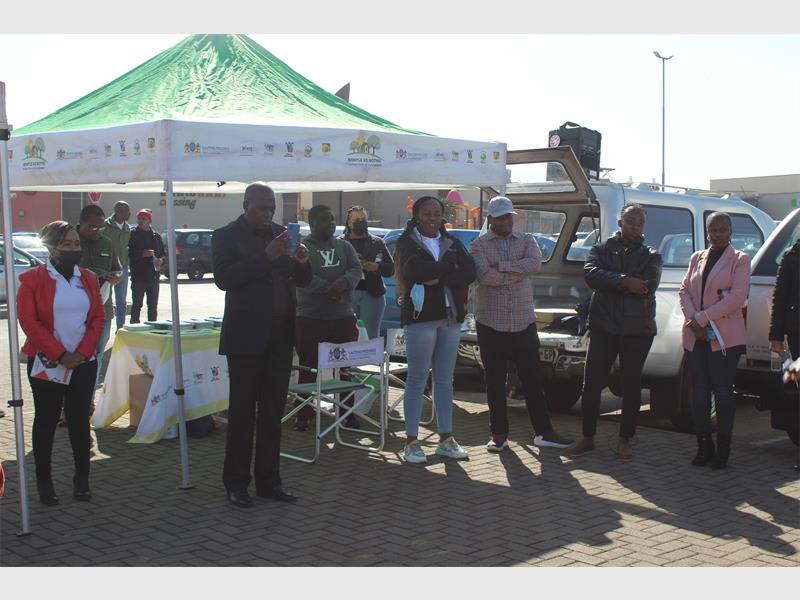
The Gauteng Department of Health in partnership with various stakeholders officially launched the meat safety awareness campaign across the Gauteng province.
The campaign aims to equip consumers on how to handle meat to prevent meat-borne diseases. It kick-started at Chris Hani Mall, Vosloorus, on June 8.
A senior environmental health practitioner in the City of Ekurhuleni’s (CoE) Department of Environmental Health, Agnes Ndo Nathane, said food safety is important because people may get sick because of food.
She said they aimed to educate the consumer to know what they are buying.
“We want consumers to be able to make informed decisions when they are buying meat, preparing meat at home and when they are storing it,” said Nathane.
“We want our meat to be safe from the farm to the fork. We want people to know what is happening at the farm,” she said.
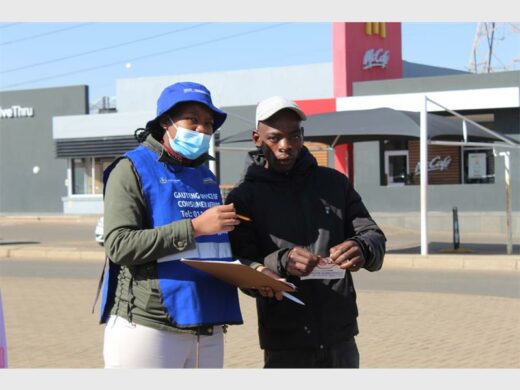
“The CoE environmental health practitioners are responsible to make sure that communities are protected from meat that is not good,” said Nathane.
Other stakeholders include the departments of agriculture, economic development, health, housing and also the Food Safety Agency.
Nathane said the first thing people should look at when they get into a retailer is to check if that place has a certificate of acceptability.
“The certificate of acceptability is issued by the environmental health practitioner. Its aim is to make sure that premises comply with health requirements as per the regulations governing food safety.
“At the same time, look at the cleanliness of the shop. Is that shop clean? I mean when you get into the shop sometimes you can smell that something is not right. “When buying meat, look at the best before date and the labelling to know they are supposed to buy and when to consume,” she said.
Nathane further said they must also look at the texture of the meat.

“Sometimes if the meat is supposed to be red but when you buy and find that it is light blue or the colour had changed, then it tells you something about it. Also look at the fridges. There must be a temperature monitor to say it must be four for chilled, minus 12 for the frozen meat and minus 18 degrees Celsius for fish.”
She said should consumers find anything irregular at the shopping premises they should report it to the DEH because they do not expect the consumer to challenge the shop owner.
“They can always report to us if they are not satisfied with the places where they buy. People need to educate themselves, nowadays information is all over the internet.
“We encourage that whenever you are buying meat, especially chicken, get it as the last item when shopping because it can defrost. Once you freeze it again it develops salmonella bacteria that can cause food poisoning,” said Nathane.
She advised people to avoid buying a lot of meat because it can get spoiled over time.
“Buy as little as you can. If you can buy for a week it would be enough.”
Nathane shared that they do the inspections at retailers to check the safety, the cleanliness, and the structural conditions of those places so that whatever they are buying comes from good premises.
She said the department has not received any complaints this year.
“I think if people know better and have more information, they will be able to complain if they are aware of any malpractices.”
Some of the residents appreciated the campaign. Thomas Zungu said he was not paying much attention to his shopping patterns, however, he will start to observe and share the information.
Meat safety tips
• Refrigerate meat as soon as possible after purchase.
• Place the meat in the coldest part of the freezer to prolong shelf life.
• Separate raw meat from ready-to-eat food and use separate cutting boards and utensils.
• Frozen meat can be stored in the freezer for up to 12 months, while cooked meat can be refrigerated safely for up to four days.
• Re-wrap meat tightly for freezer storage using plastic freezer bags.
• Keep meat in a deep container when defrosting to prevent contamination from runoff and cook it immediately after defrosting.
• Wash hands thoroughly in hot water and soap before and after handling meat.
• Wash all utensils with hot water and soap after contact with meat and poultry.
• Use a cooler bag with ice when purchasing meat to preserve the freshness and quality.
• Avoid buying meat from street markets and unapproved sources.
• Packaging must still be intact to avoid damaged leaking or torn packages.
• Check the cleanliness of the premises and the personal hygiene of food handlers.
To report consumer exploitation with the consumer affairs service email consumer@gauteng.gov.za
Alternatively contact Ekurhuleni 011 255 4940, Soweto 011 982 5313, Tshwane 012 402 9100, Sedibeng 016 430 0660 and West Rand 011 278 5240.