
#2026Localelections: Ekurhuleni election results leave municipality with a hung council
The DA, ANC and ActionSA are particularly important in the coalition mathematics.
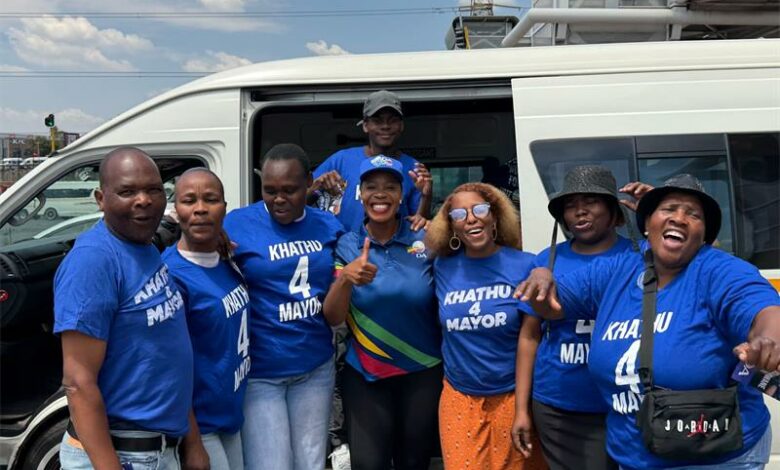
The Electoral Commission of South Africa (IEC) completed its voter count on Sunday, leaving the City of Ekurhuleni with a hung council.
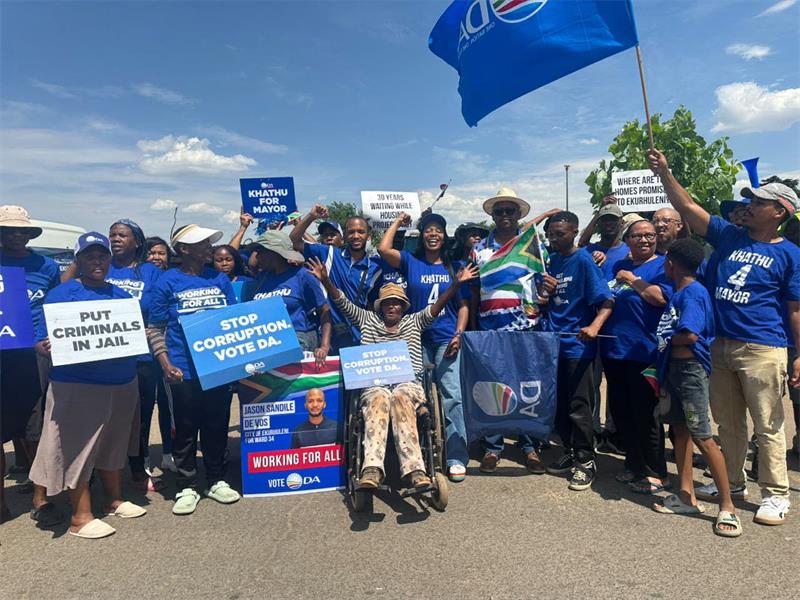
The results reveal a major political shift in the municipality, with the Democratic Alliance (DA) emerging as the largest party, though falling short of an outright majority. The broader story, however, lies in the dramatic decline of the African National Congress (ANC), the surge of ActionSA, and a council where coalition negotiations will dictate who governs.
With 224 council seats in total, a party requires an outright majority of 113 seats. The DA secured 66 seats, leaving it 47 seats short of single-party governance.
ALSO READ: #2026Localelections: DA takes early lead in Ekurhuleni election count
The big three and the opposition
Democratic Alliance (DA): The DA improved modestly on its 2021 performance, rising from 28.7% to 30.68% and increasing its seat count from 65 to 66. While this gives the DA the strongest individual bargaining position, holding the plurality does not guarantee the mayoral chain—it must secure partners to bridge the 47-seat gap.
African National Congress (ANC): The ANC suffered another sharp setback, dropping from roughly 38.2% in 2021 to 22.11%—a decline of 16.09 percentage points. Its council presence shrank from 86 seats to 59 (a loss of 27 seats). In 2021, the ANC entered council as the largest party; it has now been overtaken by the DA.
ActionSA: Emerging as the biggest winner of the election, ActionSA jumped from 6.6% in 2021 to 18.5%—nearly tripling its support. Its representation surged from 15 to 40 seats (a gain of 25 seats), cementing its role as the third-largest party and a potential kingmaker. ActionSA is no longer merely a smaller opposition voice; its 40 seats give it enough leverage to potentially negotiate for the executive mayor position.
Economic Freedom Fighters (EFF): The EFF saw its support cut by more than half, sliding from 13.6% in 2021 to 6.49%. Its seats fell from 31 to 14 (a net loss of 17), diminishing its influence in ouncil committees and coalition talks.
uMkhonto weSizwe Party (MK Party): Entering the municipal fray, the MK Party secured 15 seats, providing an alternative bloc for potential coalition math.
ALSO READ: Ekurhuleni voters call for better service delivery in local elections
Coalition mathematics: who can govern Ekurhuleni?
Reaching the 113-seat threshold requires cross-party cooperation:
Scenario 1 (DA + ActionSA): 106 / 224 seats (short by 7). A viable ideological core, but it requires support from at least one or two smaller parties (such as the VF Plus or ACDP).
Scenario 2 (ANC + ActionSA): 99 / 224 seats (short by 14). Falls substantially short and would require multiple additional partners.
Scenario 3 (ANC + ActionSA + MK Party): 114 / 224 seats (majority by 1). Reaches a paper-thin majority, leaving governance vulnerable to single-councillor rebellions.
Scenario 4 (ANC + ActionSA + EFF): 113 / 224 seats (exact majority). Hits the required threshold precisely, though ideological alignment and power-sharing would pose hurdles.
Scenario 5 (DA + ANC Grand Coalition): 125 / 224 seats (majority by 12). A decisive numerical cushion that mirrors national government arrangements (GNU), bringing administrative continuity, though requiring significant political compromise between the two rivals.
The ward vs PR Anomaly
A crucial takeaway lies in the divergence between ward and proportional representation (PR) seats.
The ANC won 59 wards, compared to the DA’s 34 and ActionSA’s 17. Yet the DA finished with 66 total seats to the ANC’s 59.
Under South Africa’s mixed-member electoral system, voters cast both a ward ballot (first-past-the-post) and a PR party-list ballot. Because the ANC won 59 individual wards—which already matched its proportional entitlement of 22.11%—it received zero additional PR list seats. Conversely, the DA and ActionSA received substantial PR top-up allocations based on their overall share of the popular vote.
What this means for residents
For communities across Germiston and the wider Ekurhuleni metro, the composition of the mayoral committee matters far less than basic service delivery. Residents consistently cite chronic issues:
• Unscheduled power outages and substations in disrepair
• Water supply interruptions and pressure failures
• Potholes, damaged road surfaces, and blocked stormwater drains
• Inconsistent waste collection and illegal dumping
• Inaccurate municipal billing and billing dispute backlogs
A fragile coalition that expends its energy on political survival rather than municipal governance risks compounding these issues.
ActionSA holds the balance of power, but smaller parties—including MK, the EFF, VF Plus, and the PA—will play pivotal roles in shaping an administration that must balance political compromises with operational delivery.