Ekurhuleni budget approved as opposition support averts administration
A revised municipal budget has been passed after opposition parties backed key amendments, ending weeks of uncertainty and securing the metro’s financial framework ahead of the new financial year.
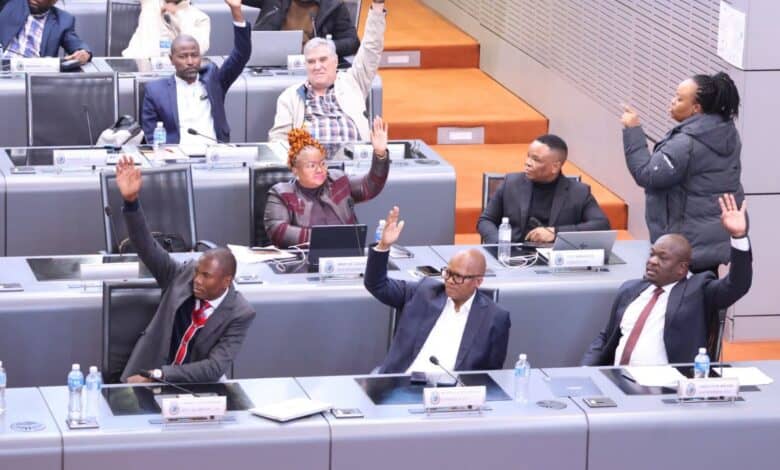
The City of Ekurhuleni has approved its revised municipal budget after opposition parties threw their support behind the proposal on June 23, preventing the metro from being placed under administration.
The budget was adopted with 176 votes in favour and 31 against following weeks of political deadlock that had threatened service delivery and raised concerns about the city’s ability to meet the July deadline for approving its spending plans.
The breakthrough came after several opposition parties, including the Democratic Alliance (DA), indicated their willingness to support the revised budget following amendments aimed at improving fiscal responsibility and service delivery.
ALSO READ: WATCH: Council fails to pass budget for a third time
Earlier in the day, DA federal chairperson Solly Msimang announced that the party would back the revised budget, saying significant changes had been made to address concerns over spending and governance.
The DA had previously criticised the original budget, arguing that it contained wasteful expenditure and failed to prioritise essential services for residents.
According to Msimang, engagements between the administration and opposition parties resulted in meaningful amendments that strengthened the city’s commitment to responsible governance and service delivery.
“The adjustments made to the budget signal a willingness by the administration to listen and act in the best interests of residents,” he said.
Msimang added that supporting the revised budget would help maintain stability in council and prevent disruptions to municipal operations.
The adoption of the budget now provides Ekurhuleni with a financial framework for the 2026/27 financial year, allowing the metro to proceed with planned service delivery programmes and infrastructure projects while avoiding provincial intervention.