
Kathorus co-operatives voice concerns over gatekeeping and red-tape
“Most co-operatives do not survive because they were not formed with a purpose, once they do not get the funding they close shop,” he explained.
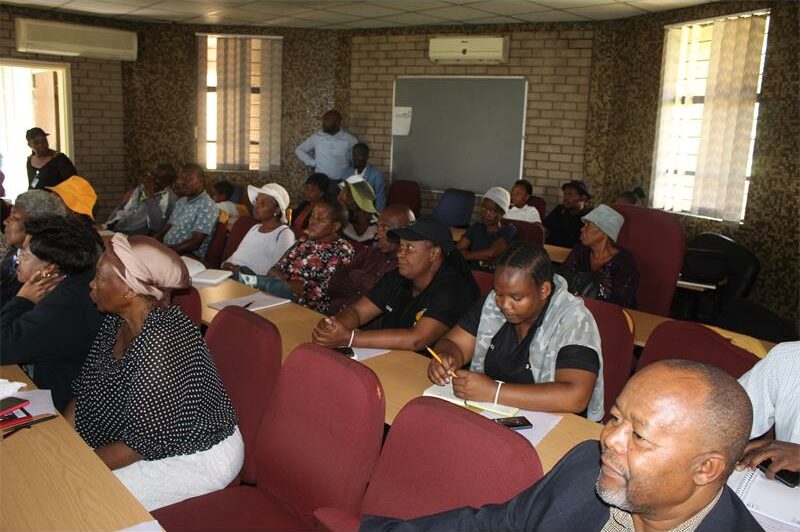
The Parliamentary Constituency Office held a co-operatives workshop for Kathorus residents at Katlehong 1 customer care centre auditorium on February 20.
The workshop was facilitated by Tebogo Phadu from the Dora Tamana Co-operative Agency. He is also a representative from Gauteng Premier Panyaza Lesufi’s office.
Residents opened the session when they voiced their dissatisfaction with government officials. They said township co-operatives do not benefit anything from the government. Instead, it is the government officials who benefit.
Bongi Mhlaba from Sesivunga Nathi Co-op said the first partnership between the government and the co-operatives was good because they worked with the Department of Social Development (DSD).
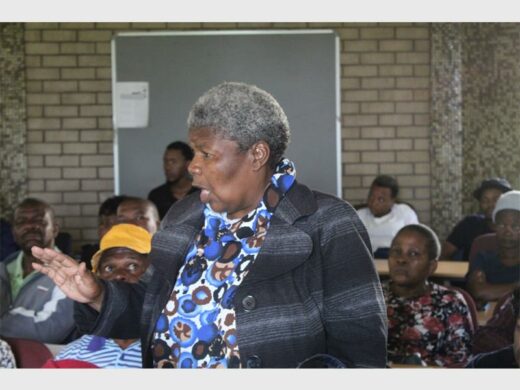
It involved every cooperative, and there were no sealed opportunities for selected co-operatives, but the system the government is now using does not benefit them.
“It seems like the only people benefiting are those who work for the government instead of us. Some co-operatives specifically deal with officials, and some of us are not included,” said Mhlaba.
“We are requesting this be corrected. We do not want to name-drop officials and the co-operatives. We are not the police, we are co-operatives, and we want to benefit from our government. We wish our government would return to using the DSD system.”
She said many co-operatives have closed down, and they raised questions without getting any responses.
“If the government is really assisting co-operatives, we want all these co-operatives to return to business. We, as co-operatives, buy our equipment and organise our land, and we can hear sentiments that the government is helping us.
“We do not want to ask how they are helping us because even the tenders meant for us, we do not get them. They benefit government workers who partner with co-operatives.”
Violet Ntibane shared the same sentiments, saying the biggest challenge is access to land, not only for the co-operatives but for business as a whole, including art, culture and NPOs.
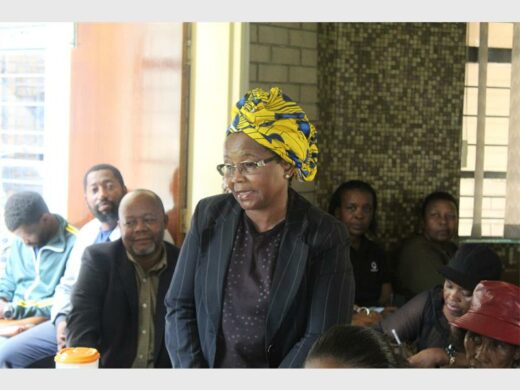
She said there is land in the township, but they cannot access it. However, some people occupy it and set up their containers.
When they went to enquire, they were told the reason they do not get land is that they do not have the capital to buy it.
If the land belongs to the government or the municipality, the by-laws state that the land must be advertised.
“Even if it is bought by someone from Mpumalanga or the Eastern Cape, they have the right to buy the land because they have the capital,” she added.
“It becomes difficult for us because, as co-operatives, small businesses and NPOs, we do not have the capital to buy land. We are pleading with the government to allow us to lease identified land that belongs to the municipalities in our communities,” Ntibane.
“We do not have space to work, and it is difficult for them to use municipal buildings, which forces them to go to towns.
“Another challenge for a start-up business is the requirement of financial statements when submitting proposals. The financial statement requires at least R 3 500 to pay the accountant when you need the job, and you cannot afford it. We end up having to lie, claiming to have certain amounts in our accounts.”
Phadu encouraged residents to start co-operatives, but they must have a purpose and common goal.
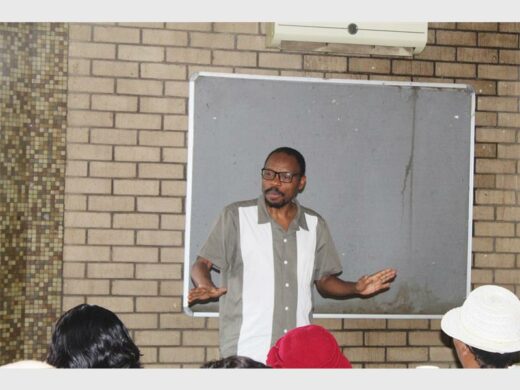
He said there are various funding structures. However, it is vital to have presentable work to support their profile.
Phadu made an example using some co-operatives formed after the government announced that funding was available.
“Most do not survive because they were not formed with a purpose. Once they do not get the funding, they close shop,” he explained.
He said a co-operative is a group of people working together to archive common needs, including economic, to address unemployment or social needs like housing, taking care of children and the elderly, and cultural benefits through enterprise.

“Do not rush to register or think about the structure of a co-operative before you clarify what you want to do as a group. Look at things you cannot do individually but can only do by working together.
“But there are cases where you do not need a co-operative. If you need a private company then form that, but where you find that there is a real need for you to work with other people to archive a certain need, form a co-operative,” said Phadu.
He said the law requires you to have a minimum of five people to start a co-operative. However, in other types of co-operatives, there could be a different minimum.
“If you want to form a co-operative bank for the people of Kathorus, have a minimum of 200 people. There are other requirements as well because you must get a license to operate a bank of the community,” he said.
“The 200 people must contribute the capital. You must contribute money to run the bank. Once established, you get a license, and you have to open it up to the entire community, and they also become owners.
“As the founder, you will be equal with others in terms of ownership, but rewarded through membership. Co-operatives are democratic. The law requires the people on the board to be elected by the members, unlike a company where anyone can be on the board.”
For more information, contact Phadu on 011 234 6521 or email tebogop@dtca.co.za