
Ekurhuleni municipal workers strike over fair treatment and permanent jobs
From disposable labour to permanent jobs: Ekurhuleni workers fight for their rights in a city where outsourcing has left many in limbo.
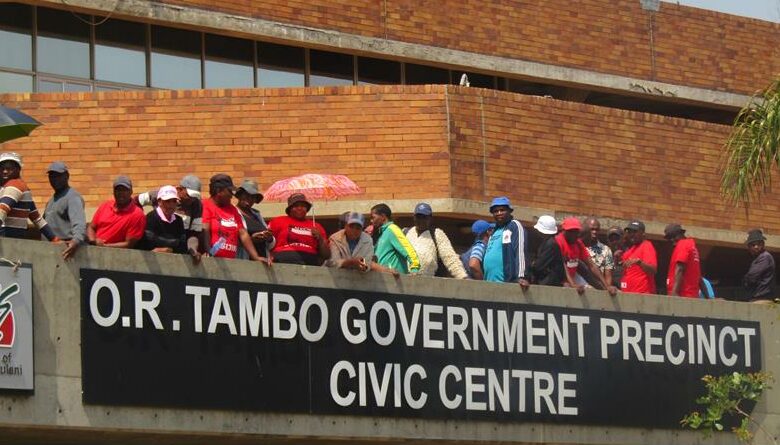
Frustration peaked in Ekurhuleni when municipal workers, led by the Municipal Employees and Civil Servants Union (Mecsu), launched a protected strike, demanding fair treatment, dignified working conditions and permanent employment.
The strike against the CoE saw demands for permanent employment for contract workers and urgent improvements in working conditions.
The strike, backed by a formal dispute lodged with the SA Local Government Bargaining Council, represents the culmination of years of frustration over casualisation, outsourcing and non-implementation of council resolutions.
ALSO READ: WATCH: Ekurhuleni municipal operations disrupted as protesters block civic centre entrances
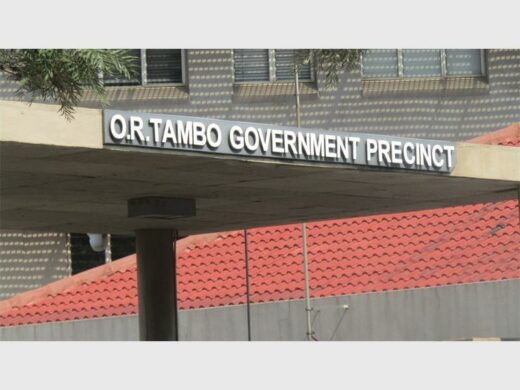
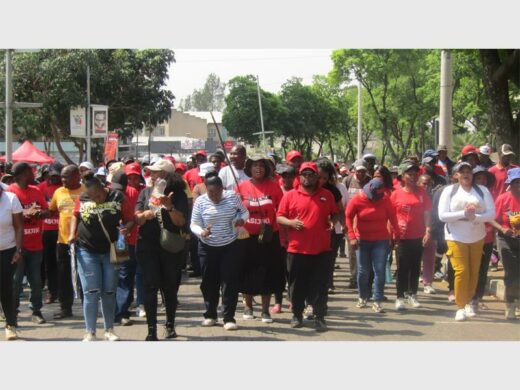
On Thursday, scores of chanting workers gathered outside the OR Tambo Government Precinct Civic Centre in Germiston.
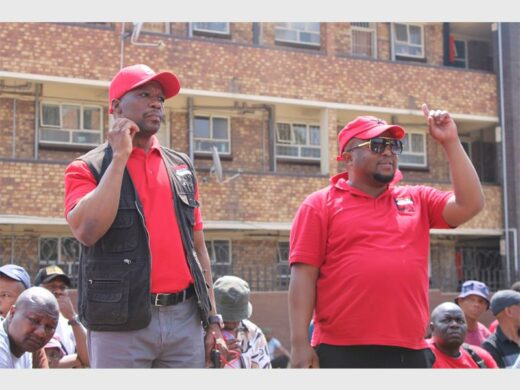
Their goal was to have Mayor Nkosindiphile Xhakaza receive their memorandum of demands. However, MMC for Corporate and Shared Services, Sivuyile Ngodwana, accepted the memorandum on behalf of the municipality.
Strike escalates amid rising tensions
Protests resumed on Friday morning with even greater numbers. Tensions flared when the demonstrators tried to move closer to the council chambers, only to be blocked by members of the EMPD.
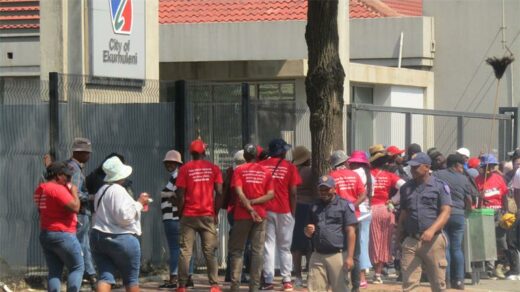
In the afternoon, more workers arrived in a van, leading to a disagreement among members that turned into a brief physical altercation before Mecsu general secretary Vukile Mlungwana intervened to restore calm.
“We are here to ensure this strike is peaceful and successful,” said Mlungwana.
“We’re dealing with sensitive issues, and emotions are high, but we must stay united. Let’s not direct our anger at one another. When others join us from different locations or return from work, welcome them. If we are divided, we fall. United, we stand.”
He emphasised that the strike must remain within legal boundaries and that no picketing should happen at national key points to avoid possible court interdicts that could shut down the protest.
Workers’ leadership cautions against provocation
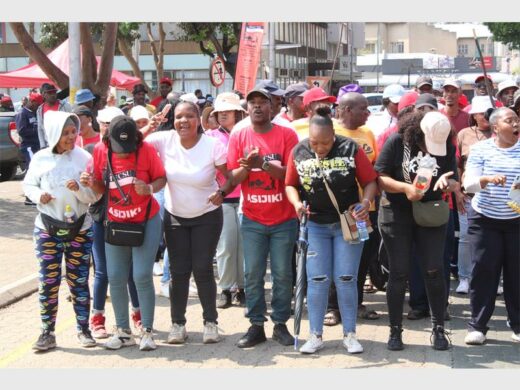
Other strike leaders also urged the strikers to remain disciplined.
“Let’s not call our fellow members cowards simply because they are picketing within the rules,” said one leader.
“Do not intimidate the officers guarding us; many of them are union members, too. They are just following orders because they are not allowed to protest with us, even though they share our grievances.”
The protesters also raised concerns about political interference.
“Some politicians have financial interests in the security and subcontracting companies we’re fighting against. That’s why they delay action. Fixing our issues means they lose profits.”
A history of delays and broken promises
The strike’s roots date back to 2022, when workers first raised the issue of insourcing. According to members of the Top Six workers’ leadership group, these concerns were initially discussed in council chambers, leading to a resolution being passed.
“In December 2023, we reached the institutional review stage and thought change was coming,” said a Top Six member.
“But the city kept moving the goalposts. Every time we tried to sit down and resolve the matter, they dodged us. Eventually, we asked Mecsu to step in and escalate the matter.”
The leaders accuse the city of dragging its feet, while workers continue to suffer.
Workers speak out: “We’re treated like disposable labour”
Several workers at the protest voiced frustration over years of precarious employment and poor treatment.
“Some of us have worked for the city for more than 10 years and are still on contracts, earning as little as R4 000,” said a security guard.
“We have no medical aid, no benefits and sometimes, we don’t even know when we’ll get paid.”
“Each time a new security company is appointed, we get transferred without raises or proper documentation. We are treated like we’re disposable,” added another.
Others explained how the system destabilises their families and livelihoods.
“Our children are dropping out of school because we can’t afford the fees. Our funeral and medical aid policies are lapsing. The system is broken, and the city is failing us.”
ALSO READ: Two suspects remain in custody after Germiston Home Affairs protest
Mecsu’s demands
Mecsu outlined four key demands in the memorandum submitted to the city:
• End outsourcing and privatisation: The city must immediately stop outsourcing municipal services, such as security and cleaning, and insource these roles under permanent employment terms;
• Permanent employment for contract workers: Workers under the Harambe Programme, funded through the city’s operational budget in the Roads and Transport Department, must be absorbed into permanent roles due to the ongoing nature of their work;
• Provision of personal protective equipment (PPE): The City must provide quality PPE to all employees, with procurement decentralised to relevant departments for timely distribution;
• Provision of tools of trade: Departments like the EMPD must be provided with essential tools, including patrol vehicles and other necessary resources, to perform their duties effectively.
ALSO READ: Government condemns burning of Germiston Home Affairs office during protest
Union’s position: This is about dignity and rights
Speaking during the protest, Mlungwana reiterated the union’s stance, “This strike is not about privilege; it is about dignity and rights.
The Constitution guarantees every worker the right to fair labour practices, including the right to strike. As a democratically elected institution, the city has a duty to promote, protect and fulfil these rights.
“We are no longer asking. We are demanding action. We want the city to implement its own council resolution, stop exploitative labour practices and respect its workers.”
As of Friday afternoon, the CoE had not issued a formal response to Mecsu’s latest memorandum. The protected strike is expected to continue into the following week, with services across multiple departments likely to be affected unless meaningful dialogue begins.
Mecsu has stated its willingness to engage but insists no negotiations can begin unless the city commits to concrete action.