
Why petrol prices keep changing in Gauteng
From shipping costs to government levies, here’s what drives petrol prices.
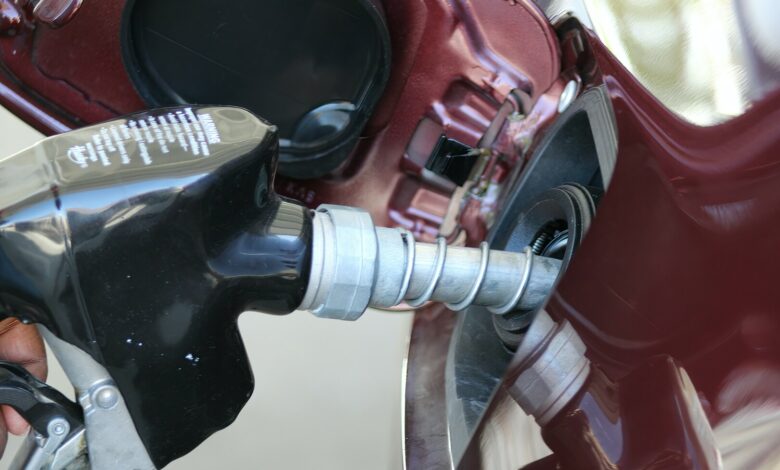
The price South African motorists pay at the pump is influenced by far more than the cost of fuel alone, with a combination of global market forces and domestic factors determining the final price.
According to the Department of Mineral and Petroleum Resources, fuel prices are calculated using an import parity model designed to balance international competitiveness with local economic conditions, as reported by the South African Government News Agency.
At the centre of this system is the Basic Fuel Price (BFP), which reflects the cost of importing fuel into South Africa.
This price is linked to international petroleum markets, with local fuel prices benchmarked against rates in global refining hubs such as the Mediterranean, Arab Gulf and Singapore.
ALSO READ: South Africa’s fuel supply remains stable despite global market volatility
This means local fuel prices are directly affected by international crude oil prices, global supply and demand, and the rand/ US dollar exchange rate.
The department said the model ensures local refineries remain competitive while encouraging efficiency in a volatile global market.
Global cost drivers
Several international elements contribute to the BFP, including the price of petroleum products (free-on-board values), shipping costs, insurance, storage and handling fees.
Transporting fuel to South African ports — known as freight — is a key factor and is adjusted monthly based on global shipping demand and risk levels. Additional costs such as demurrage (port delays), insurance and ocean losses during transit are also included.
Storage at coastal terminals and the financing of fuel stock further add to the overall cost before it reaches local markets.
ALSO READ: Fuel prices to decrease across South Africa from Wednesday
Local factors and levies
Beyond global influences, domestic costs and taxes play a significant role in determining the final pump price.
Fuel transported inland by road, rail or pipeline adds to the price, while regulated margins ensure wholesalers and retailers can operate sustainably.
Motorists also pay several government-imposed levies on every litre of fuel, including the general fuel levy, the Road Accident Fund levy, the carbon fuel levy, and customs and excise duties.
In addition, a temporary adjustment known as the slate levy is applied to balance under- or over-recoveries in fuel pricing, depending on fluctuations during the monthly review period.
The department noted that these combined elements explain why fuel prices can fluctuate regularly, even when local conditions appear stable.
A complex pricing system
While global oil prices and exchange rates remain key drivers, the layered pricing structure ensures South Africa can maintain fuel supply while supporting the broader economy.
Understanding these factors gives motorists clearer insight into why fuel costs change and why prices at the pump reflect a complex balance between international trends and domestic policy.