
Domestic workers’ rights campaign urges fair treatment across homes
New initiative helps employers comply with labour laws while promoting dignity and respect for workers.
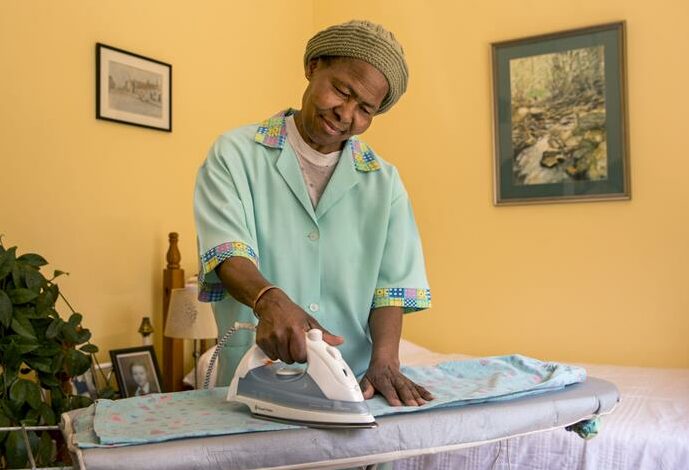
Domestic workers across South Africa continue to face harsh and often unlawful working conditions, including excessively long hours, low pay, and widespread abuse.
Many are working shifts of up to 14 hours a day, living far from their families, and earning below the national minimum wage.
Reports of bullying, assault, and discrimination remain common, often taking place behind the closed doors of private homes.
In response, the Dignity in Every Home campaign has been launched as a national initiative aimed at promoting the rights of domestic workers while supporting employers to create fair, safe, and lawful working environments.
ALSO READ: How safe is your domestic worker in your home?
The campaign focuses on raising awareness and shifting everyday employment practices through practical, easy-to-follow guidance.
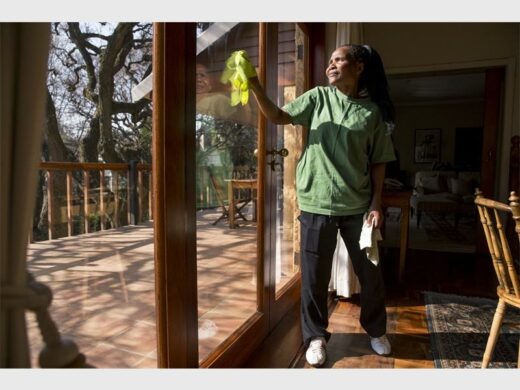
It is led by a coalition of organisations including Izwi Domestic Workers Alliance, the Socio-Economic Rights Institute of South Africa (SERI), the United Domestic Workers of South Africa (UDWOSA), and the South African Domestic Service and Allied Workers Union (SADSAWU).
There are tools which provide clear guidance on fair pay, working hours, leave, dismissal procedures, and legal obligations such as registration with the Unemployment Insurance Fund (UIF) and the Compensation Fund for Occupational Injuries and Diseases (COIDA).
They are designed to help employers establish transparent agreements and respectful working relationships, ensuring both workers’ security and employers’ peace of mind.
Changing perceptions and practices
Campaign organisers say a key challenge is the misconception that domestic work is informal or even a “favour” to workers.
Co-founder of Izwi Domestic Workers Alliance, Amy Tekie, says this mindset must change.
“As employers, we must understand the responsibility we take on when inviting someone to work in our homes. A cleaner or nanny must have the same labour rights we expect from our own employers,” she says.
“In addition to working long shifts and earning well below minimum wage. Workers are regularly bullied, assaulted, and treated with blatant discrimination. This happens behind closed doors. It is time for society to acknowledge these unconstitutional practices and ensure meaningful change.”
ALSO READ: How safe is your domestic worker in your home?
Tekie adds that the campaign’s resources are designed to help employers identify gaps in their practices, comply with legal requirements, and manage employment relationships fairly.
Understanding legal obligations
“When a domestic worker is employed, a private home becomes a workplace. Employers are legally required to comply with labour laws, including fair wages, regulated working hours, and proper registration for UIF and COIDA.
“The campaign emphasises that fair employment is not only a legal duty but also essential for building healthy and respectful working relationships.”
The cost of low wages
The campaign highlights that the current minimum wage of R30.23 per hour remains insufficient for many domestic workers.
At this rate, a full-time worker earns just over R5 200 per month, an amount that must cover transport, rent, food, electricity, education costs, and other basic needs.
Employers are encouraged to consider paying above the minimum wage, with a Living Wage calculator available online to help determine fair compensation.
Dignified living conditions for live-in workers
The campaign also addresses the treatment of live-in domestic workers, many of whom face restrictive and discriminatory rules in both private homes and residential estates.
“These include limitations on movement, use of facilities, and even personal freedoms such as receiving visitors or choosing what to eat.”
“The Code of Good Conduct for Accommodating Live-In Domestic Workers outlines standards for fair accommodation, including privacy, freedom of movement, access to shared spaces, and protection from harassment and abuse.
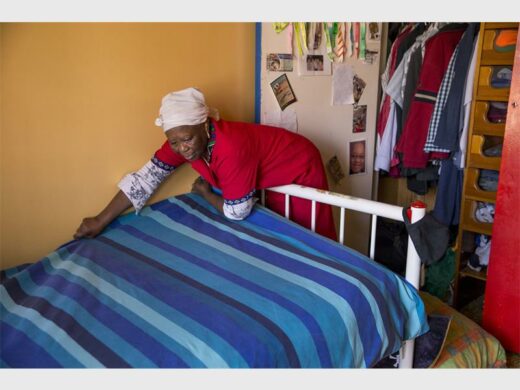
“These guidelines are aligned with South Africa’s Constitution and international human rights standards,” said Tekie.
Towards a more equal society
Tekie said a third resource, Employing a Domestic Worker – A Legal and Practical Guide, provides detailed information on employment conditions, including working hours, overtime, leave, disciplinary procedures, and termination processes.
“By equipping employers with knowledge and practical tools, the campaign aims to improve working conditions and promote dignity for the estimated one million domestic workers in South Africa,” said Tekie.
“By complying with labour laws and treating domestic workers with dignity and respect, employers can contribute to building a more just and equal society,” said Tekie.