
Gauteng releases liquor board inquiry report exposing corruption and weak enforcement
Gauteng MEC for Economic Development has publicly released the Gauteng Liquor Board Committee of Inquiry Report, revealing governance failures, corruption allegations and weak enforcement systems affecting liquor regulation across the province.
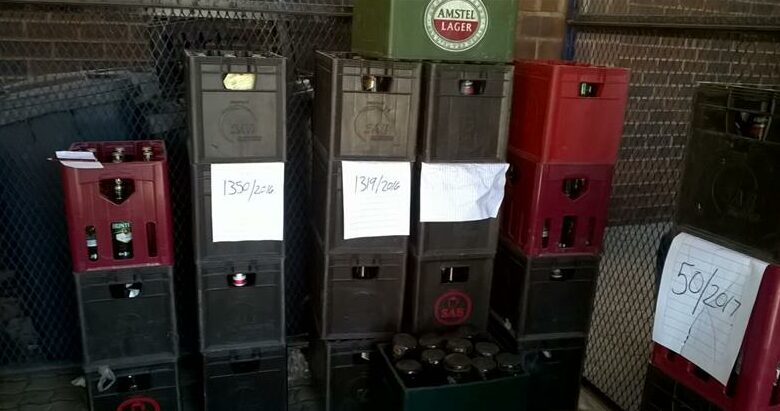
The Gauteng government has released a damning inquiry report into the Gauteng Liquor Board, detailing alleged corruption, governance failures and severe weaknesses in the province’s liquor licensing and enforcement systems.
Vuyiswa Ramokgopa released the Gauteng Liquor Board Committee of Inquiry Report after it was submitted to the Gauteng Legislature’s Portfolio Committee on Economic Development.
ALSO READ: 25% of liquor consumed globally is illicit – WHO
According to the South African Government News Agency, the report became available to Ramokgopa after she assumed office last month.
In a statement, the Gauteng Department of Economic Development said the MEC had decided to make the report public in the interest of transparency, accountability and restoring public confidence in government institutions.
The report highlights several problems within the Gauteng Liquor Board, including irregular issuing and renewal of liquor licences, poor record-keeping, weak enforcement mechanisms, and allegations of corruption and maladministration.
ALSO READ: Lesufi wants to straighten liquor industry
It also alleges collusion between inspectors, officials, liquor outlet owners and unregulated consultants.
“The report presents a thorough diagnostic report of the GLB and highlights various governance challenges,” the department said in a statement.
According to the report, these failures have undermined the board’s ability to effectively carry out its mandate.
The department also raised concerns about the growing number of liquor outlets operating illegally near schools, places of worship, children’s recreational facilities and residential areas, in contravention of the Gauteng Liquor Act.
Authorities said enforcement capacity remains under severe strain, with fewer than 20 inspectors responsible for monitoring more than 33 000 licensed liquor outlets across Gauteng.
The report further estimates that about 200 000 illegal liquor outlets are operating outside the regulatory framework.
Recommendations contained in the report include strengthening compliance monitoring and enforcement operations, reviewing suspicious or unlawfully issued licences, and improving consequence management systems.
The report also recommends digitising and modernising licensing systems, improving co-ordination with municipalities, SAPS and metro police departments, and strengthening oversight of inspectors and officials involved in licensing and compliance processes.
The department said the Gauteng government has a responsibility, in terms of the Gauteng Liquor Act of 2003, to ensure lawful administration, effective oversight and compliance enforcement while protecting communities affected by harmful and illegal liquor trading activities.
Ramokgopa said that while the liquor industry remains an important contributor to Gauteng’s economy, governance failures and regulatory weaknesses have prevented communities and government from fully benefiting from the sector.
“The department will be taking swift action to strengthen compliance, improve revenue management, and ensure the industry contributes meaningfully towards economic transformation and the funding of social development programmes,” the statement said.