Ekurhuleni explains months-long process behind Mkhwanazi dismissal
The mayor explained that criminal proceedings and employment proceedings are separate processes.
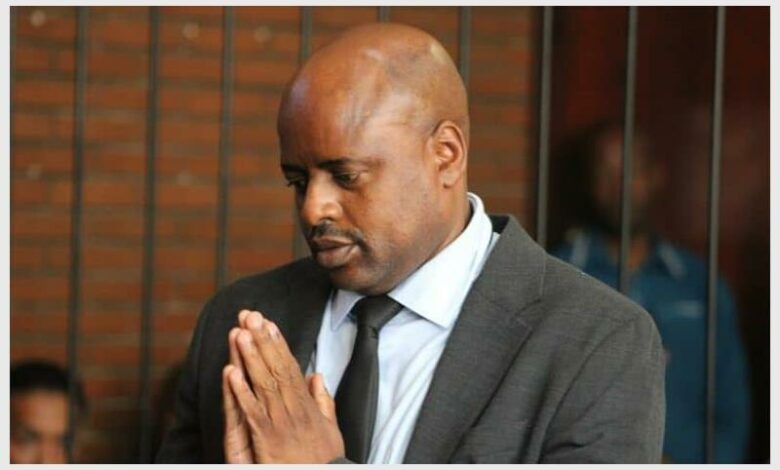
The dismissal of suspended EMPD deputy chief Julius Mkhwanazi ends a disciplinary process that lasted months.
It also raised questions about why the municipality did not terminate his employment sooner, particularly as allegations against him continued to emerge before the Madlanga Commission of Inquiry.
Mkhwanazi was suspended on November 11, 2025, following an internal audit investigation into allegations of misconduct.
ALSO READ: WATCH: Ekurhuleni top cop Julius Mkhwanazi fired
At the time, the city stressed that the suspension was an administrative measure intended to protect the integrity of the disciplinary process and was not a finding of guilt.
Almost 10 months later, on September 18, city manager Kagiso Lerutla terminated Mkhwanazi’s employment after considering a detailed submission from the City’s Human Resources Department, internal disciplinary proceedings and evidence presented before the Madlanga Commission.
The question now being asked is why it took so long.
Executive Mayor Nkosindiphile Xhakaza said the municipality could not simply fire him, explaining that his reasoning centres on the difference between allegations, investigations and disciplinary findings.
According to the mayor, allegations relating to Mkhwanazi had already been referred to Internal Audit through Council in August 2025.
“Internal Audit, however, does not have the power to fire an employee or determine criminal guilt.
“Its role is to investigate and report on issues relating to the municipality’s internal controls and governance.
ALSO READ: Suspended EMPD chief and municipal manager return to court
“Disciplinary action falls within the employer’s labour relations processes and must be handled by authorised decision-makers,” he explained.
He said the process could not move directly from an allegation to dismissal.
The mayor also emphasised that criminal responsibility is a matter for the courts, while employment misconduct is dealt with through the applicable disciplinary process.
This distinction became particularly important as Mkhwanazi faced both an internal disciplinary process and separate criminal matters.
The mayor said suspension was not the same as dismissal.
When the city suspended Mkhwanazi in November last year, it said the move was intended to safeguard the disciplinary process.
Suspension effectively removed him from his duties while the allegations were investigated and the disciplinary process continued.
ALSO READ: EMPD chief Mkhwanazi, Lerutla case moved to Regional Court
“The city could not treat the suspension itself as proof that Mkhwanazi was guilty.
“This is one of the reasons the municipality says disciplinary processes must be allowed to run their course,” explained the mayor.
The mayor acknowledged that the public can become frustrated when disciplinary matters take months to conclude, particularly when suspended officials continue to receive remuneration.
However, he said they have an obligation to pursue disciplinary cases properly while respecting the employee’s rights and the requirements of labour law.
In explaining the eventual dismissal, the mayor specifically referred to repeated delays affecting the internal disciplinary proceedings.
He also pointed to Mkhwanazi’s continued court appearances and incarceration as factors that affected the employment relationship.
ALSO READ: Bail decision handed down in high-profile Ekurhuleni corruption case
The city said the circumstances surrounding the case eventually became exceptional enough that continuing the employment relationship was no longer tenable.
This means the city’s delay was not simply a matter of choosing not to act.
Madlanga Commission
He said multiple processes were running simultaneously: internal disciplinary proceedings, criminal investigations and court proceedings, and developments at the Madlanga Commission.
Mkhwanazi’s name became increasingly prominent during proceedings of the Madlanga Commission, which is investigating allegations of criminality, political interference and corruption within South Africa’s criminal justice system. He appeared before the commission as a witness in April 2026.
The commission record notes that evidence concerning procurement and command integrity within metropolitan policing was put to him, while stressing that allegations heard by the inquiry remain subject to testing.
ALSO READ: EMPD deputy chief and municipal manager appear in court on corruption charges
“The city deliberately avoided responding to every allegation made at the commission because testimony before an inquiry is not automatically an established finding. Allegations must be distinguished from verified facts, disciplinary findings and criminal convictions,” explained the mayor.
The mayor explained that criminal proceedings and employment proceedings are separate processes.
Mkhwanazi faces several criminal matters, including charges relating to the murder of businessman Emmanuel Mbense.
He has denied the allegations, and the criminal matters remain before the courts.
The city has made it clear that it did not dismiss him because he had been convicted of a crime.
Instead, the termination followed the municipality’s own disciplinary process.
“The distinction is important because an employee cannot simply be treated as criminally guilty because criminal allegations have been made against them,” said the mayor.
The mayor said the dismissal was based on the employment relationship and the findings and circumstances considered through its internal processes.
While the city said it followed due process, the lengthy period between suspension and dismissal became increasingly difficult to separate from growing public scrutiny.
The mayor acknowledged that prolonged disciplinary processes can undermine public confidence, particularly where officials remain suspended for extended periods.
It has therefore positioned the Mkhwanazi dismissal as part of a wider programme of consequence management and institutional reform.
The mayor said they considered the seriousness of the matters, Mkhwanazi’s seniority, the connection between the allegations and his official responsibilities and the potential impact on the integrity and reputation of the city.
“Removing an individual does not necessarily explain how the alleged failures happened in the first place. The city must also examine who was responsible for oversight, whether warnings were raised, how those warnings were dealt with and whether internal controls failed,” explained the mayor.
ALSO READ: EMPD deputy chief and municipal manager appear in court on corruption charges
The city has announced a comprehensive vetting programme for metro police members and said it is working with the State Security Agency to strengthen the process and provide an external element to the assessments.
The city explains that disciplinary action had to follow lawful procedures, allegations had to be investigated and tested, and the internal process could not simply be replaced by criminal allegations or testimony before the commission.
At the same time, the municipality has acknowledged the frustration caused by lengthy disciplinary processes and the financial implications of prolonged suspensions.
For now, the city’s position is that Mkhwanazi’s dismissal resulted from an internal disciplinary process, not a criminal conviction.
The criminal allegations against him remain matters for the courts, while the Madlanga Commission is yet to make its final findings.
ALSO READ: DA calls for suspension of Ekurhuleni EMPD acting chief
Mkhwanazi has denied allegations levelled against him before the Madlanga Commission and disputed several claims about his conduct.
During his evidence, he denied having any involvement in the alleged kidnapping of EMPD spokesperson Kelebogile Thepa.
He also denied allegations relating to the use of blue lights, including claims that he installed blue lights on vehicles linked to Vusimuzi ‘Cat’ Matlala or authorised municipal branding or registration of the vehicles.
In June, Mkhwanazi told the commission he believed false allegations were being made against him and that previous witnesses had provided misleading evidence to discredit him.
Sister publication Brakpan Herald reported that Mkhwanazi and his five co-accused appeared before the Brakpan Magistrate’s Court on September 15 for the decision on their bail applications in connection with the 2022 murder of businessman Emmanuel Mbense.
Lawyers representing Mkhwanazi and his co-accused then said they would challenge the decision to deny them bail.
Mkhwanazi is yet to comment on the city’s decision to terminate his employment at the time of publication.