
Why having a will matters, regardless of your wealth
“A will is important for every adult, regardless of income or the value of their assets. A valid will allows a person to determine who should benefit from their estate and who they would like to administer their affairs after their death, “explains Matsheka.
For many people, preparing a will is something they intend to do ‘one day’.
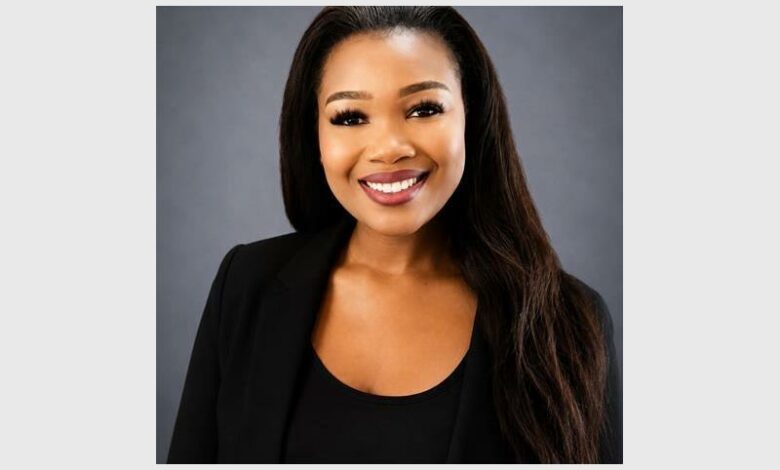
But according to Palesa Matsheka, an admitted attorney, notary and conveyancer and the founder of PG Matsheka Incorporated, having a valid will is not about how wealthy a person is, it is about making sure their wishes are clearly recorded and giving their loved ones certainty when they are no longer there to make those decisions.
This message was highlighted during National Wills Week, which ran from September 14 to 18, an initiative of the Law Society of South Africa (LSSA) that gives members of the public the opportunity to have a basic will drafted free of charge by participating attorneys.
ALSO READ: National Wills Week: Free will drafting and vital tips for protecting your family
Matsheka said one of the biggest misconceptions is that a person needs to own substantial assets before they need a will.
Another misconception is that wills are only necessary for older people or those who are seriously ill.
“A will is important for every adult, regardless of income or the value of their assets. A valid will allows a person to determine who should benefit from their estate and who they would like to administer their affairs after their death,” explains Matsheka.
The Department of Justice also explains that a will allows a person to decide who their beneficiaries will be and appoint someone to administer the estate. Without a valid will, a person dies intestate.
ALSO READ: How to make your Will legally valid in South Africa: 5 key steps
Their estate is then distributed according to the Intestate Succession Act, rather than according to their personal wishes.
Matsheka said dying without a will can make the administration of an estate more complicated.
The family may first have to establish who the lawful heirs are. Depending on the circumstances, this could involve a spouse, children or other relatives.
Questions can also arise about potential heirs whom the family may not have known about, requiring additional proof. Another important consideration is the appointment of an executor.
Where there is no will naming a preferred executor, the process of having someone appointed to administer the estate can take additional time, particularly if there is disagreement among family members.
Matsheka warns that dying without a will can also mean that assets may not go to the people the deceased would have chosen, while the appointment of an executor and administration of the estate can take longer and potentially result in additional costs.
Matsheka advises people making their first will to start by taking stock of their affairs. This includes looking at bank accounts, property, vehicles, insurance policies, investments, businesses and other significant assets.
“People should also consider their liabilities, identify who they want to benefit from their estate and think carefully about who they would trust to administer it. It is not about listing every teaspoon you own.
” It is about giving the person drafting your will an accurate picture of your family structure, assets, liabilities and wishes,” explains Matsheka. She said people with minor children should pay particular attention to guardianship and what should happen to assets inherited by their children.
When visiting an attorney to have a will drafted, it is useful to have:
• Your identity document
• Details of your spouse and children
• Details of intended beneficiaries
• Information about property, vehicles, bank accounts and investments
• Details of businesses and significant assets
• Information about outstanding liabilities
• Existing wills or estate-planning documents
• Details of the person you would like to nominate as executor
• Your wishes regarding minor children, including guardianship and how their inheritance should be administered
The Department of Justice similarly recommends that people include details of the assets they want to bequeath, their heirs, their nominated executor and arrangements for minor beneficiaries.
A person can draft their own will, but Matsheka cautions that mistakes in the drafting or signing process can have serious consequences.
The Department of Justice confirms that people may draft their own wills, but they must comply with the formal legal requirements for the document to be valid. Professional assistance can be particularly useful where there are minor children, businesses, trusts, immovable property, blended families, customary marriages or complicated family and financial arrangements.
South African law sets out formal requirements for a valid will.
Among other requirements:
• The will must be in writing
• The person making the will must generally be 16 or older and mentally capable of appreciating the consequences of making the will
• The testator must sign the will in accordance with the prescribed formalities
• The signing must take place in the presence of two competent witnesses
• Witnesses must generally be 14 or older and competent to give evidence
• Witnesses must sign in the presence of the testator and each other
Matsheka also advises that the original signed will should be kept safely, as a copy is not regarded as the valid original will.
For people who have been putting off making a will because of the cost, National Wills Week provides an opportunity to take the first step.
The LSSA’s initiative ran from September 14–18, with participating attorneys across South Africa offering members of the public basic will-drafting services free of charge.
The LSSA publishes lists of participating attorneys by province. In Gauteng, the list includes participating firms and attorneys in areas including Germiston, Alberton, Benoni, Johannesburg, Pretoria, Soweto, Kempton Park, Midrand and other areas.
While National Wills Week has now ended for the year, people who missed it can still approach an attorney or other suitably qualified professional for assistance with estate planning.
Ultimately, a will is not simply about deciding who receives your possessions. It is about putting your wishes on record, reducing uncertainty for your family and providing a clear plan for what should happen to your estate after your death.