Gauteng calls for stronger partnerships to advance disability rights
Building an inclusive society by providing equal opportunities for Persons with Disabilities.
The Gauteng Department of Social Development is stepping up community awareness and support programmes during Disability Rights Awareness Month from November 3 to December 3.
Beyond commemorative activities, the period provides an opportunity for government, civil society, the private sector and communities to reflect on progress made in advancing disability rights and to confront barriers that prevent persons with disabilities from participating fully in society.
The 2026 national theme, ‘Creating Strategic Multisectoral Partnerships for a Disability-Inclusive Society’, reinforces the understanding that disability inclusion cannot be achieved by government alone.
ALSO READ: Gauteng urges disability grant applicants to use clinics for medical forms
It requires meaningful partnerships, shared responsibility and sustained commitment from all sectors of society to create an environment in which persons with disabilities can exercise their rights, access opportunities and contribute meaningfully to the development of their communities.
Since the advent of democracy in 1994, South Africa has made significant strides in advancing equality, human rights and access to essential services.
The Constitution provides a foundation for protecting the rights of all citizens, while various policies and legislative frameworks have been introduced to promote the inclusion and empowerment of persons with disabilities.
However, despite these achievements, many persons with disabilities continue to experience challenges relating to unemployment, poverty, inadequate accessibility, social exclusion and limited economic opportunities.
ALSO READ: Gauteng urges disability grant applicants to use clinics for medical forms
These realities remind us that the real measure of progress is not only the policies and commitments we adopt, but how effectively these translate into improved living conditions and opportunities for those who need them most.
Disability Rights Awareness Month therefore calls for more than awareness campaigns. It requires practical interventions that address both physical and social barriers, challenge discriminatory attitudes and ensure that persons with disabilities are recognised as equal citizens with the same rights, aspirations and potential as everyone else.
The Gauteng Department of Social Development remains committed to improving the quality of life of persons with disabilities through integrated developmental programmes and services that promote their well-being, independence, protection and socio-economic empowerment.
Through its Disability Programme, the department works in partnership with non-profit organisations to provide services that respond to the diverse needs of persons with disabilities. These include residential care facilities, protective workshops, home-based care and support, psychosocial services and independent living support.
ALSO READ: Rotary Clubs hit the track for disability inclusion at Wheelie Warriors
These interventions are designed to promote dignity, independence and meaningful participation in society.
Residential care and assisted living facilities provide essential support to adults with disabilities who require care and protection, while protective workshops create opportunities for skills development, participation and socio-economic empowerment.
The department also supports non-profit organisations that provide disability-related services and implements awareness-raising initiatives aimed at educating communities about disability rights.
Through collaboration with other government departments and civil soiety organisations, the department seeks to strengthen access to services, promote social inclusion and expand opportunities for persons with disabilities.
Nevertheless, the responsibility for building an inclusive society extends beyond the provision of social services. Accessibility must become a fundamental consideration in the planning and development of public infrastructure, workplaces, educational institutions, transport systems and community facilities.
Persons with disabilities should not have to struggle to access services or participate in everyday activities because environments have not been designed to accommodate their needs.
Equally important is economic inclusion.
Unemployment and poverty remain among the major challenges confronting persons with disabilities. Creating opportunities for skills development, entrepreneurship, employment and meaningful participation in the economy is essential to ensuring that disability does not become a barrier to financial independence and personal development.
ALSO READ: Germiston school speaks out at global disability forum
Employers, businesses and other economic partners must therefore be encouraged to create inclusive workplaces, eliminate discriminatory practices and recognise the abilities, talents and contributions of persons with disabilities.
Furthermore, inclusion must begin within our communities. Society needs to move away from attitudes that view persons with disabilities primarily through the lens of their limitations. Instead, we must recognise their capabilities, respect their choices and create opportunities for them to participate in decisions that affect their lives.
“In observing Disability Rights Awareness Month 2026, the Gauteng Department of Social Development will undertake various initiatives and events aimed at strengthening awareness and promoting the rights of persons with disabilities.
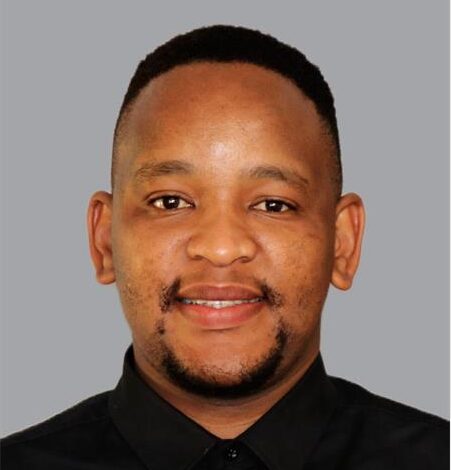
“Through these platforms, the department seeks to educate communities about available services, highlight the experiences and achievements of persons with disabilities and encourage greater participation in programmes that promote inclusion and empowerment,” said Gauteng Department of Social Development communicator Phetoho Maja.
ALSO READ: Albinism Society of South Africa calls for more awareness on the disability
“These initiatives are aligned with the broader objectives of the Disability Rights Awareness Month campaign, particularly the call for sustainable partnerships and accelerated implementation of the White Paper on the Rights of Persons with Disabilities,” said Maja.
As communities, we also have a responsibility to contribute towards creating an environment where everyone feels accepted and valued. Simple actions such as treating persons with disabilities with respect, asking before offering assistance, supporting disability organisations and challenging discriminatory language and behaviour can make a meaningful difference.