Unlock your camera’s potential: Landscape photography tips from a local expert
Discover how to capture nature’s beauty like a pro.
HEIDELBERG/ NIGEL – With the recent World Photographic Day, the HERAUT will dedicate a series to photography, offering readers practical advice and tips on how to make the most of their cameras.
The series will explore a range of photographic genres, including landscape photography, mobile photography, bird and wildlife photography, and macro photography. Each of these styles offers unique opportunities for creativity and skill development.
The first instalment in the series focuses on landscape photography. When thinking about photography, landscape photography is one of the most popular and accessible forms of photography, allowing a person to capture the natural world in all its glory.
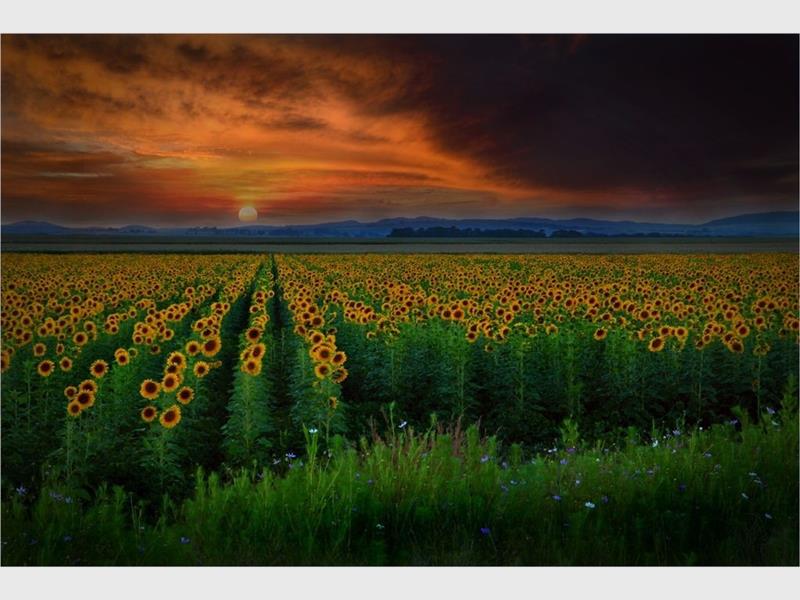
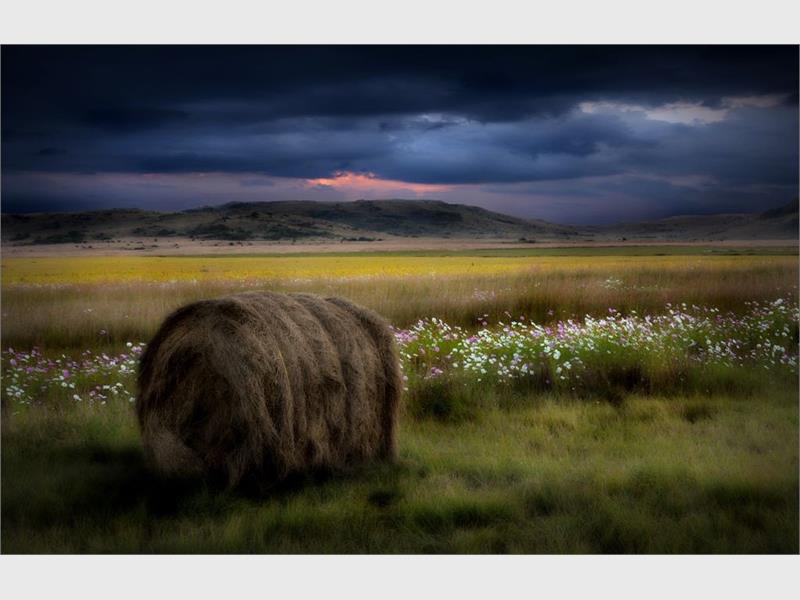
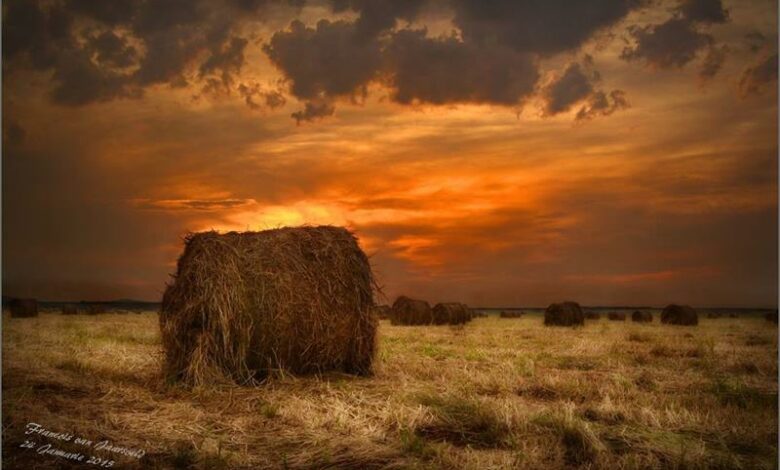
Photographs of beautiful mountain ranges, rivers, dams, sunsets, open fields, and more can be captured. To get the best out of your landscape photography journey, here are some tips to follow:
Understanding the basics
Before you go snap away with your camera, understand the foundational elements of landscape photography.
What is landscape photography?
Landscape photography involves capturing photos of the outdoors in a way that brings the viewer into the scene. It highlights natural beauty, often with minimal human presence, though urban and industrial landscapes can also be compelling.
A few key elements of a good landscape photo are:
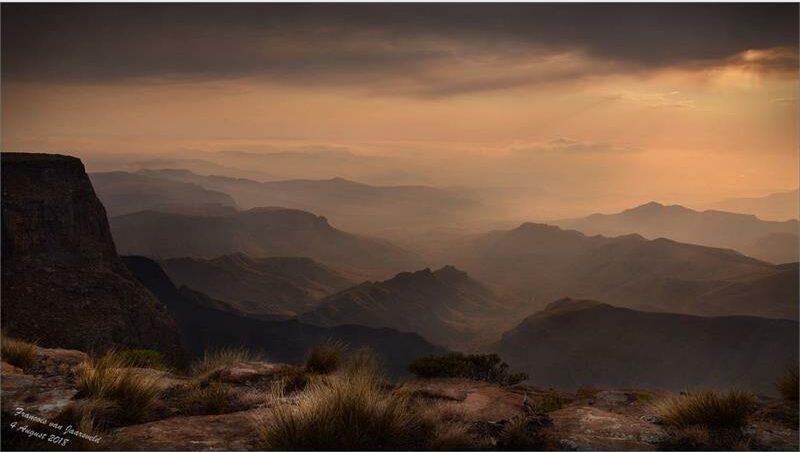
• Composition: This is how elements are arranged in the frame. It is suggested to include a foreground, middle ground, and background in the composition to provide a 3-D effect.
• Lighting: Natural light, particularly during golden hours, is crucial to getting the best out of the photo.
• Perspective: Your point of view changes the emotional impact of a photo.
• Focus: This ensures sharpness throughout the image.
• Essential gear: While gear doesn’t make the photographer, having the right tools can significantly improve your chances of capturing stunning landscapes.
• Camera: DSLRs and mirrorless cameras are ideal due to their manual controls and high image quality. You can use your cell phone as well.
There are two different kinds of cameras. A) full-frame and B) crop sensor cameras. A full-frame sensor offers better dynamic range, though crop sensors can still yield excellent results. As the saying goes, the best camera is the one you have with you!
• Lenses: Wide-angle lenses (14–35mm) are most common for landscapes, allowing you to capture more of the scene.
Telephoto lenses (70–200mm) are great for isolating distant elements like mountains or trees.
• Tripod: A sturdy tripod is crucial for low-light conditions, long exposures, and compositional precision.
• Filters: Polarising filters reduce glare and enhance skies and foliage. ND (neutral density) filters allow for long exposures during daylight. Graduated ND filters help balance bright skies with darker foregrounds.
• Accessories: Remote shutter release, weather protection (lens hoods, rain covers), spare batteries, and memory cards.
• Mastering composition: Composition is key in landscape photography. A well-composed image will draw the viewer’s eye and create a sense of depth and emotion.
• Rules of composition: Rule of Thirds: Place key elements along the imaginary lines that divide your frame into thirds.
• Leading lines: Use roads, rivers, fences, or shadows to guide the viewer’s eye through the image.
• Foreground interest: Here you can add rocks, flowers, or water features in the foreground to create depth.
• Framing: Use natural elements like trees or arches to frame the scene.
• Negative space: Let some areas breathe – open skies or empty plains can add drama.
• Light is everything: In landscape photography, lighting conditions can make or break a photo. Some of the lighting conditions can include:
* The golden hour: The hour after sunrise and before sunset offers warm, soft light. Shadows add texture and depth.
* Blue hour: Just before sunrise and after sunset. Cooler tones create a peaceful, moody atmosphere.
* Midday light: Often harsh and unflattering, but can work in high-contrast scenes or black and white photography.
* Overcast light: Ideal for forests, waterfalls, and even seascapes due to the diffused light.
• Camera settings for landscape photography
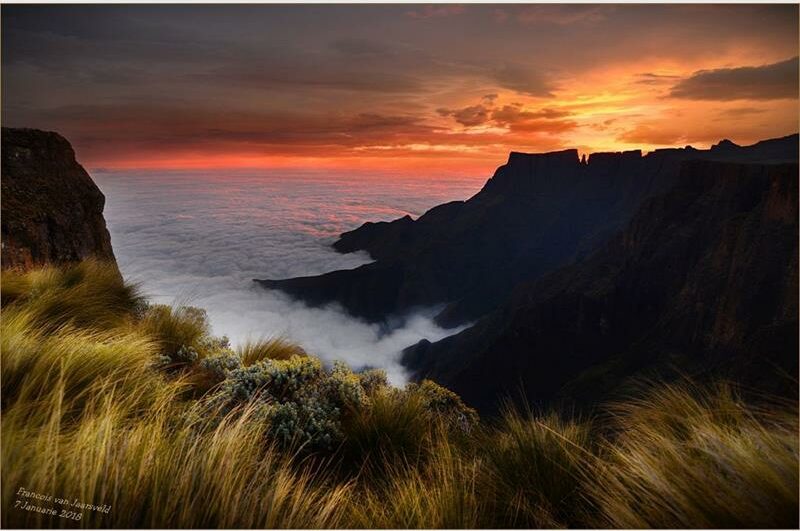
Manual control of your camera allows you to fine-tune the image. Aperture (f/stop): Use f/8 to f/16 for maximum depth of field. Be cautious of diffraction at very small apertures (f/22+).
Shutter Speed: Fast speeds (1/250s) freeze movement. Long exposures (2s–30s or more) blur water and clouds for a dreamy effect.
ISO: Keep ISO as low as possible (eg ISO 100) to avoid noise. Focus: Use manual focus or single-point autofocus on a subject roughly 1/3 into the scene (hyperfocal distance).
• Planning and scouting: Planning is as important as shooting. For the best results, use maps and applications. Google Earth or PhotoPills can help you scout locations. Weather apps and tide charts are important for timing.
• Visit sites a lot of times: Light and weather change quickly; the same scene may look completely different on another day.
• Hike and explore: Don’t be scared to walk a little further to find a unique angle or composition. The Drakensberg offers excellent hiking, sleepover, or camping opportunities for excellent photography.
• Post-processing (editing): Post-processing is where you refine your photo to match your vision.
• Popular software: The most popular applications are Adobe Lightroom for basic adjustments. Photoshop for more detailed editing and blending. Luminar, Capture One, etc, are alternatives.
• Common editing: Exposure, contrast, and clarity. Cropping and straightening horizons.
• Colour grading and white balance: Sharpening and noise reduction, dodging and burning for emphasis.
• Avoid over-editing: Aim to enhance, not create an unnatural image. Pay attention to halos, noise, and color shifts.
• Ethics and responsibility: As a landscape photographer, your actions have an impact. Leave no trace; stick to trails and respect wildlife. Avoid trampling vegetation for the ‘perfect shot’.
• Respect local laws and property and get permission when necessary. Follow drone regulations if using aerial photography.
Inspiration and growth
• Study great photographers: Look at the work of Ansel Adams, Galen Rowell, and contemporary artists.
• Join photography communities: Online forums, local clubs, and workshops provide feedback and motivation.
• Practice often: Go out in all conditions. Try shooting familiar locations in different light, seasons, and weather.
Landscape photography is both a technical skill and an emotional art. It challenges you to see the world differently, to slow down, and to appreciate the beauty around you.
With patience, practice, and attention to detail, you’ll not only improve your photography, you’ll also deepen your connection to nature, and storytelling through your images. Grab your camera, venture outside, and start exploring the world, one frame at a time.
Information by Francois van Jaarsveld (Amateur landscape photographer). Should you be interested in an overnight photography hike, contact Francois van Jaarsveld on 083 659 9657 for more details.