The role of the safari industry in wildlife conservation efforts
Wildlife conservation is an important aspect of natural resource management. This is how the safari industry is making a difference.
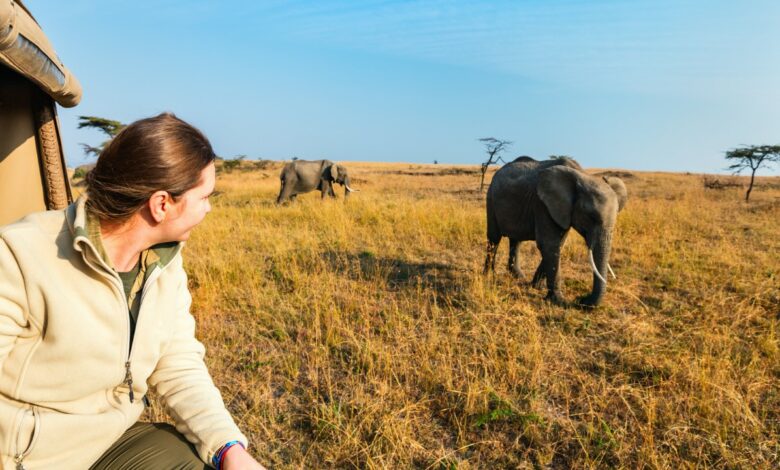
In 2022, a Living Planet Report showed that the global wildlife populations have decreased by 69% since 1970. In order to preserve wildlife conservation, people need to use all the tools at their disposal. This means taking a second look at the safari industry. Safaris can positively contribute to wildlife protection, but how?
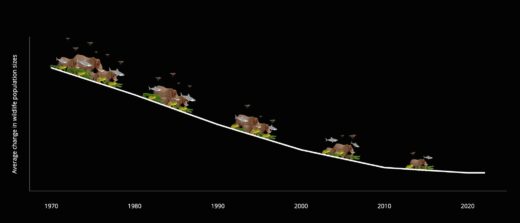
The Living Planet Index (LPI) | Photo credits: livingplanet.panda.org
When you go on African safari tours, it’s easy to get swept away by the beautiful landscapes. But, to ensure that animals can live in their natural habitat, you need to be careful about which company you choose for booking an African safari. Investing in responsible safari tour companies that care about the environment and its inhabitants is important.
Safaris play a huge role in conservation efforts and responsible tourism. Here are some of the main reasons that safaris bring community involvement and help protect precious wildlife:
- Wildlife conservation and safaris
The first reason safaris are crucial for wildlife conservation is that they provide jobs for the local community. According to an estimate by SafariBookings, the safari sector brings in over $12.4 billion annually for South Africa, Botswana, Kenya, Rwanda, Tanzania, Uganda, and Zambia – the leading African safari destinations for tourists.
African safaris bring many tourists to areas with limited job opportunities. So, this allows businesses such as restaurants to open their doors to guests and creates jobs in looking after the grounds. All of this means more money for conservation projects and maintenance of the land.
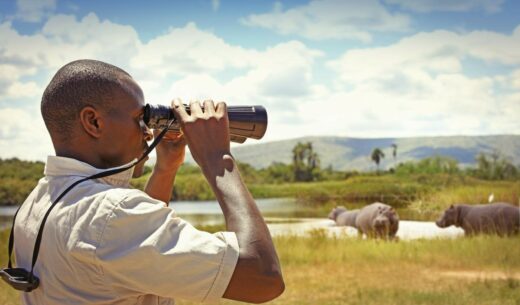
Observing wildlife on a safari in Africa
Guests get to enjoy learning about the surrounding area from local guides. Plus, the community has more resources to preserve the environment. This allows for eco-friendly safaris that cause minimal harm to the animals and their living conditions.
2. More awareness of sustainable travel
It’s one thing reading about the dangers of poaching and climate change. But seeing the natural habitats with their own eyes can leave a lasting impression on tourists. This helps raise awareness of sustainable travel and enforces anti-poaching methods. In some cases, people can be inspired to volunteer and take part in habitat restoration.

Couple enjoying the view on an African safari
Connecting with nature is vital for engaging people on in the importance of protecting wildlife. Tourists benefit from learning through informative guides, flyers, and talks with the guides. Showing people how safaris can benefit the movement helps raise awareness. Then, the eco-tourism message can reach more people.
3. Puts pressure on governments
Even though the African safari tours can boost the economy, they also draw more attention to poaching policies. If tourism fails, governments are pressured into changing their existing laws. The increased pressure to put funding into conservation efforts can be a result of safari tours.
Book your next safari trip
Wildlife conservation should be a top concern for everyone travelling on safari trips. That’s why you need to double-check the reviews and ensure the team knows about the wildlife.
You don’t want to accidentally support a company that doesn’t value the animals on their land.