Heidelberg history: FJ Bezuidenhout’s Heidelberg footprints
One of the Bezuidenhout son's WWJJ Bezuidenhout was a member of the Union House of Assembly for Heidelberg.
Heidelberg has a rich history with many compelling stories a lot of people are not aware of.
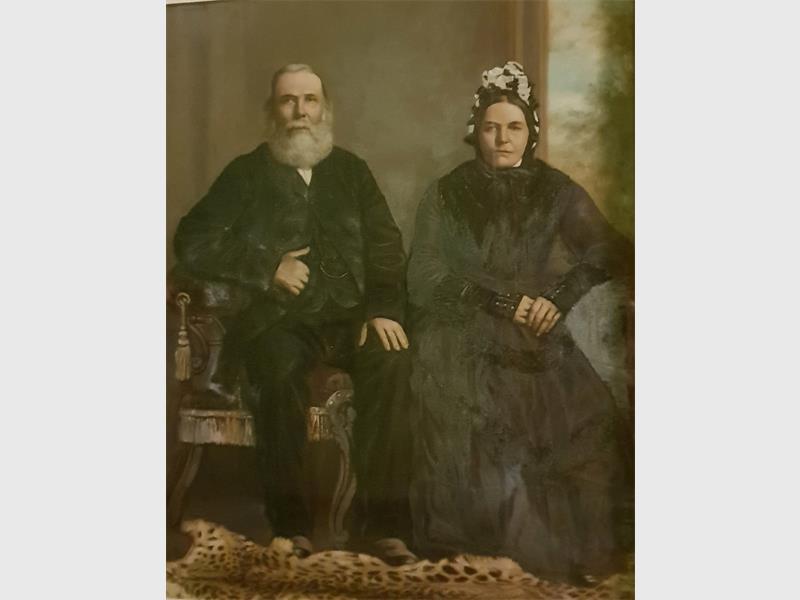
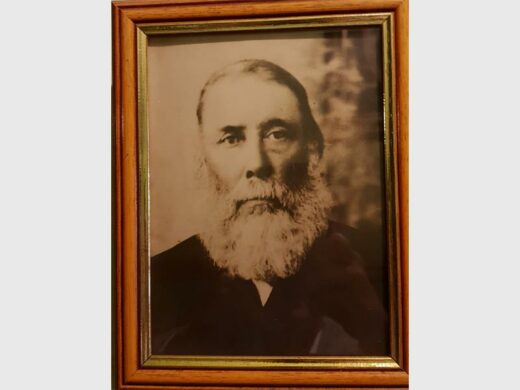
FJ Bezuidenhout is one of the pioneers of Heidelberg.
Frederik Jacobus Bezuidenhout came to South Africa from the Netherlands in 1858. Bezuidenhout was born on June 29, 1900, and died on October 9, 1900.
FJ Bezuidenhout was married to Wilhelmina Christina Johanna Meyer.
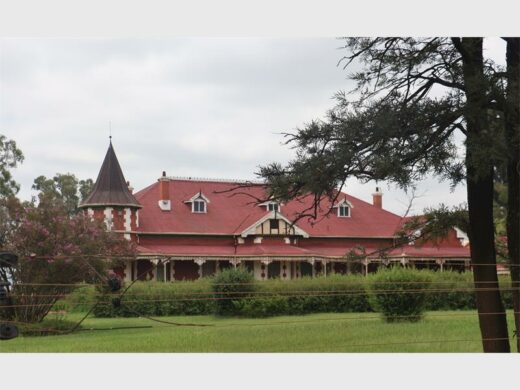
The house they stayed in in the Heidelberg district is now known as the De Rust Guest House. It is estimated that the house was built in 1906.
Bezuidenhout contracted Carl August Meischke to design the house for them. The house was built by Johannes Joubert.
All the building materials were imported. The furniture, sanitary ware, wallpaper and curtains were ordered from England. The mosaic tiles came from Italy, the floors from Oregon in the USA and the balustrades from Glasgow.
One of the things that stands out about FJ Bezuidenhout is he made a notable donation in 1869 to the church when he gave them their Holy Communion silverware.
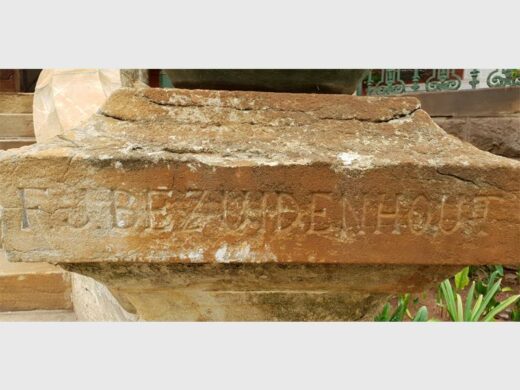
At the time of the donation, Ds Van Warmelo personally thanked Bezuidenhout for the donation in church.
Bezuidenhout’s son also named Frederik Jacobus moved out of Heidelberg and made his initial home in Braamfontein.
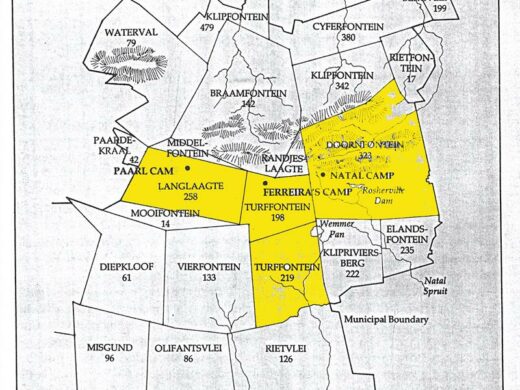
Later FJ purchased the farms Doornfontein, Turffontein, Bezuidenhouts Valley and Judith Paarl in Johannesburg. Judith Paarl was named after his wife Judith Cornelia Etresia Viljoen.
One of the Bezuidenhout sons, WWJJ Bezuidenhout, was a member of the Union House of Assembly for Heidelberg.
He was part of the council in 1915 and again re-elected in 1920. He was also a member of the Heidelberg School Board and chairman of the SA Party in Heidelberg.
Source: www.geni.com