Patience, love, routine: The lifesaving formula every dog adopter needs to know
The first 3 days, 3 weeks, and 3 months after adoption are critical. Learn how this simple rule can ease the transition for both you and your dog.
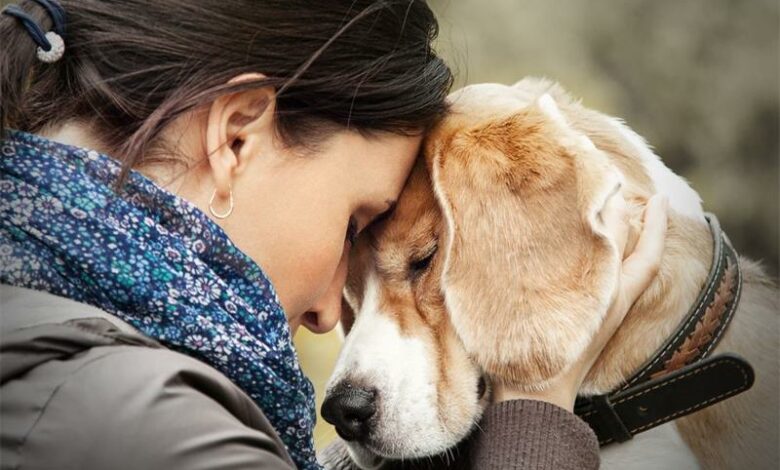
Adopting a rescue dog is one of the most compassionate choices you can make, but it’s not always easy.
Rescue dogs often come with unknown histories, emotional scars, and a need for stability, structure, and love.
That’s where the 3-3-3 Rule comes in. It is a simple yet powerful guideline to help new adopters navigate the transition period and set their dogs up for success.
What is the 3-3-3 rule?
The 3-3-3 rule outlines three key phases in a rescue dog’s journey to settling into a new home:
• 3 days to decompress
• 3 weeks to start learning the routine
• 3 months to feel at home
This timeline gives both the dog and the owner a realistic sense of what to expect, helping to ease frustration and build trust.
The first 3 days: Decompression
The first few days in a new environment can be overwhelming for any dog, especially one that’s been in a shelter.
Don’t be surprised if your new pet seems nervous, withdrawn, or confused. They may hide, have accidents indoors, or even refuse food or water.
This is a time to take it slow, speak gently, and give them space.
Your role:
• Provide a quiet, safe area where they can retreat
• Avoid overwhelming them with attention or introductions
• Ensure your home is dog-proofed and free of hazards
• Be patient because your dog is just starting to process their new world.
The first 3 weeks: Building trust and routine
By week two or three, your dog is starting to recognise that it is in a safe space.
You will likely see more of their personality come through – but also some boundary testing. This is the perfect time to set routines, establish house rules, and introduce gentle training.
Your role:
• Stick to a predictable schedule for meals, walks, and bedtime
• Start basic training using positive reinforcement
• Begin to socialise with new people, pets, and environments
• Respond consistently to early signs of behavioural issues.
The first 3 months: True belonging
Three months in, most dogs have formed a strong bond with their family and fully understand their place in the home.
You will see confidence bloom and routines fall into place. This is when your dog starts to feel like a true family member.
Your role:
• Continue building trust through play, training, and affection
• Reinforce good behaviour with positive reinforcement
• Expose your dog to new environments and experiences to support social development
• Celebrate your growing connection and shared victories.
Common challenges and how to overcome them
It is important to remember that every dog is different. Some may adapt quickly, while others need more time.
You may encounter issues such as separation anxiety, fear-based behaviour, or destructive chewing. These are often signs of past trauma and confusion, not bad behaviour.
Tips for overcoming challenges
• Be consistent and calm in your responses
• Don’t punish; redirect and reward appropriate behaviour
• Consult a professional trainer or behaviourist for persistent issues
• Provide regular exercise and mental stimulation.
Be patient
Adopting a rescue dog isn’t about saving a life; it’s about transforming one.
The 3-3-3 Rule isn’t a magic fix, but it is a compassionate, realistic framework to guide you both through the adjustment period.
With time, patience, and love, your rescue dog will learn that it is safe, loved, and finally home.
Information supplied by Judy Adams from Nigel SPCA.