Heidelberg BATSA plant set to shut down after more than 50 years
British American Tobacco South Africa has announced the closure of its Heidelberg manufacturing facility by the end of 2026, citing the rapid growth of illicit tobacco trade as the primary reason, with significant implications for jobs and the local economy.
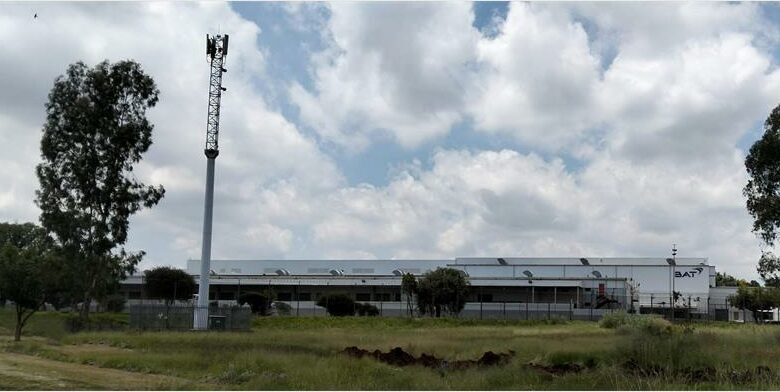
British American Tobacco South Africa (BATSA) has announced that it will close its Heidelberg manufacturing facility by the end of 2026, ending over 50 years of cigarette production in the Lesedi Local Municipality.
The decision was confirmed on January 14, when BATSA formally notified the Lesedi Local Municipality of the planned closure and its expected impact on employees and the local economy.
The Heidelberg factory has been operational since 1975 and has long been one of the area’s largest employers. At its peak, the facility employed more than 1 000 people, although workforce numbers have steadily declined over the past decade, largely due to the rapid growth of the illicit tobacco trade in South Africa, which the company estimates now accounts for about 75% of the total cigarette market.
Johnny Moloto, head of Corporate and Regulatory Affairs at BAT Sub-Saharan Africa said the situation had made continued local production unsustainable.
“This was not an easy decision, particularly given the factory’s long history and its contribution to the Heidelberg community. However, the scale of the illicit tobacco market has significantly undermined the viability of local manufacturing, leaving the business with limited options.
“The consultation process is intended to ensure open and transparent engagement with employees and their representatives. Our focus is on supporting those affected and ensuring the process is conducted fairly and responsibly,” he said.
Moloto added that BATSA is not exiting the South African market and will retain its secondary listing on the Johannesburg Stock Exchange, while continuing to supply the local market through an import-based supply model.
“We remain committed to working with government and law enforcement to combat illicit trade through improved enforcement, strengthened capacity at the South African Revenue Service, and more effective excise policies. The closure is expected to have wider economic consequences for the Lesedi area, as the factory has supported not only direct employment but also contractors, suppliers, and service providers,” he said.