New leadership announced at Eastern Gauteng Chamber AGM amid economic concerns
The Eastern Gauteng Chamber of Commerce and Industry’s 109th AGM marked the end of Dr Roney Ndala’s presidency, while business leaders raised concerns over cable theft and government called for greater private sector investment in infrastructure.
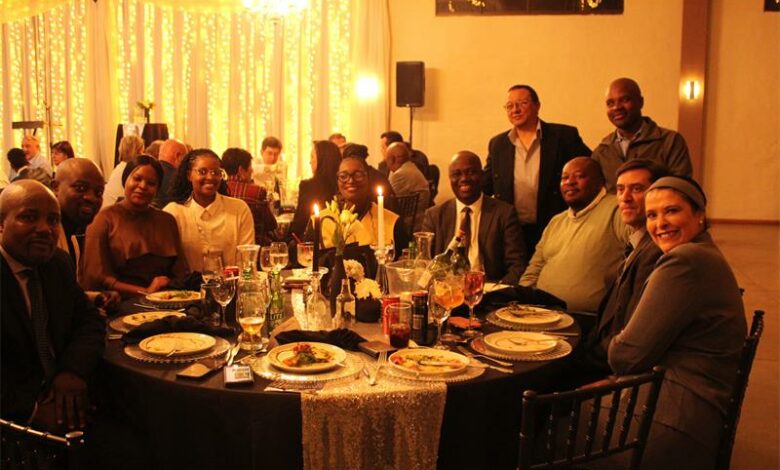
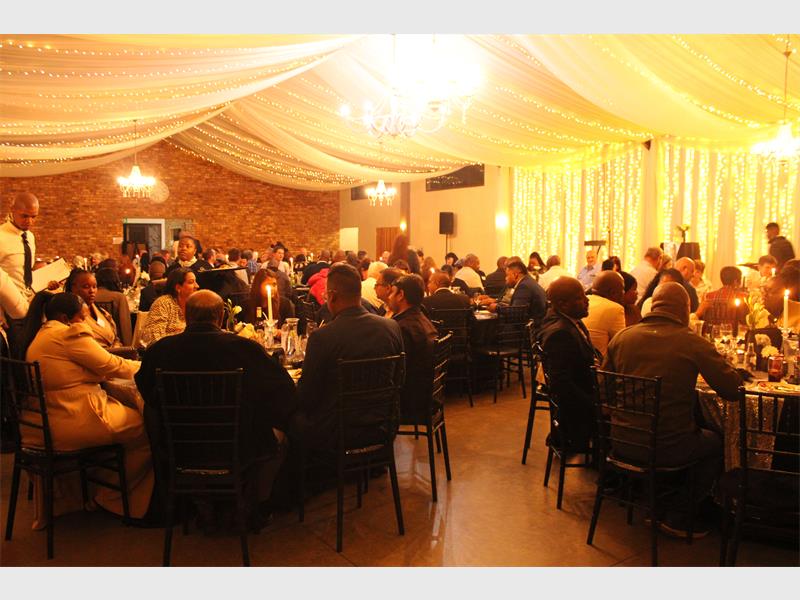
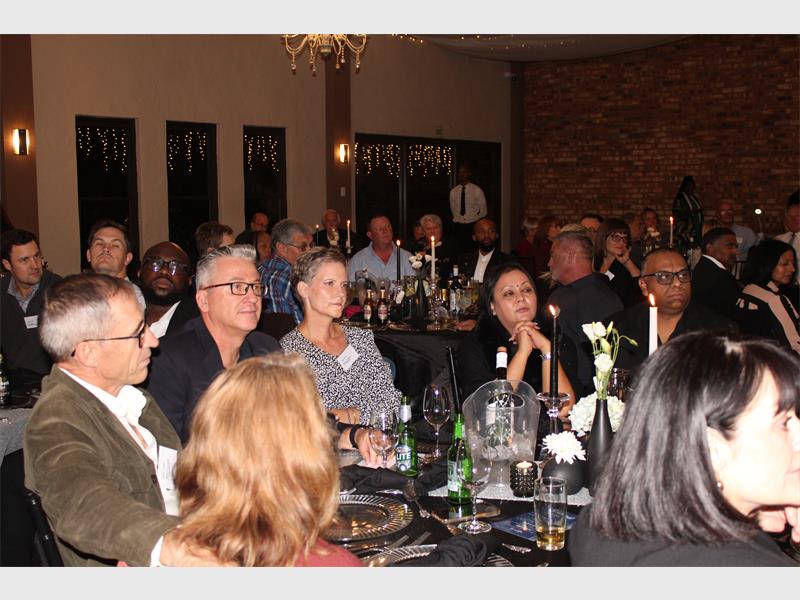
The Eastern Gauteng Chamber of Commerce and Industry held its 109th AGM recently.
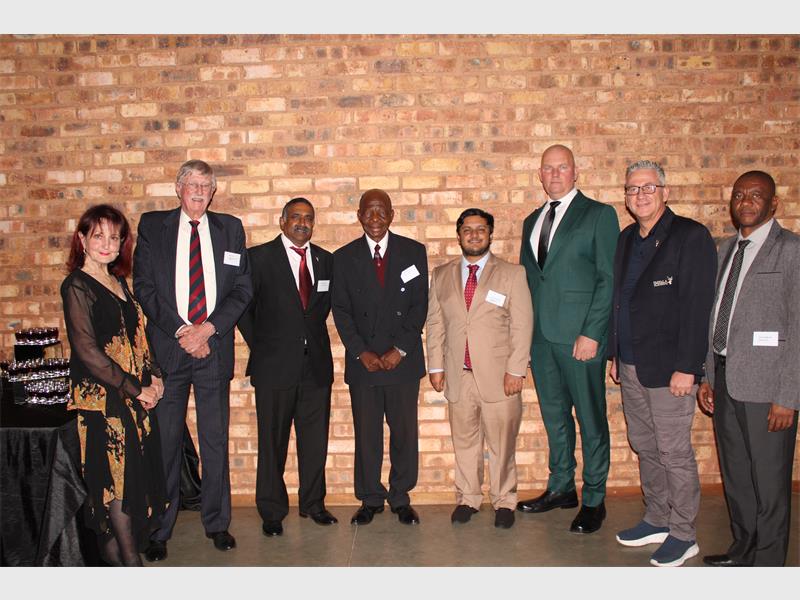
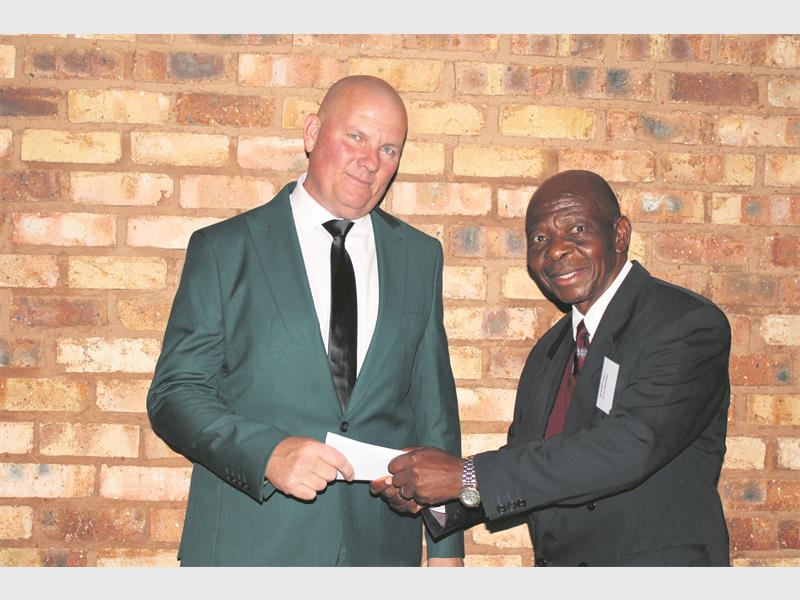
The event also marked the final evening in office for the chamber’s current president, Dr Roney Ndala. During the meeting, he congratulated the newly appointed president, Richard Miller, and vice-president, Jacques Botha, on their new roles.
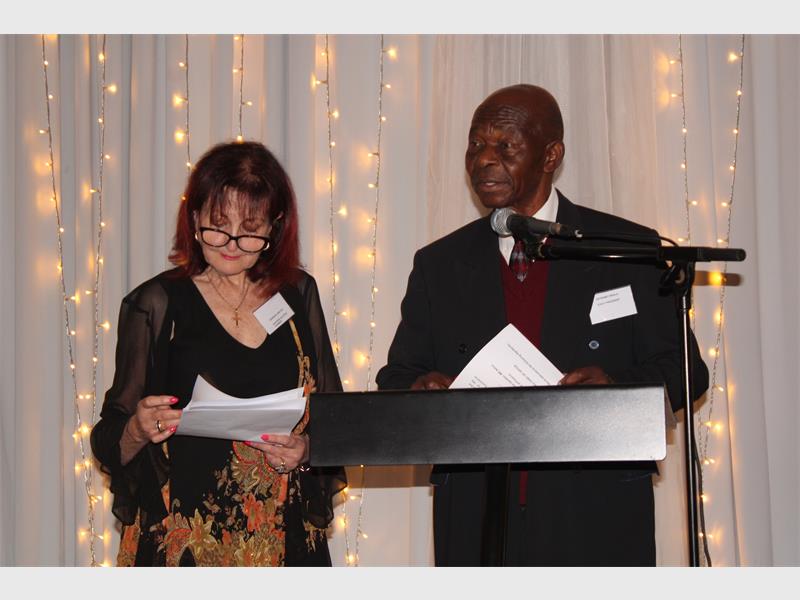
“It has been both an honour and a privilege to serve in this role, and I remain deeply grateful for the trust you have placed in me and the leadership team.
“The past year has been a period of both opportunity and challenge. Our businesses have continued to show resilience in a difficult economic environment.
“Many of you have had to navigate rising costs, energy uncertainty, and shifting market conditions. Yet despite this, we as the business community of Springs continue to demonstrate market-oriented determination and innovation,” Ndala said.
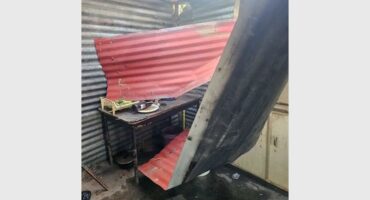
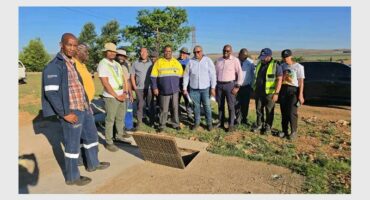
Ndala revealed that cable theft has been one of the most serious challenges facing the local economies.
“Cable theft is not just a technical or municipal problem. It is a direct threat to economic stability, business stability, and investor confidence in our region. Every time cables are stolen, businesses lose productivity and factories are forced to avoid operations. Retailers lose trading hours, and employees lose valuable working time and income.
“We have seen repeated incidents affecting businesses in areas such as New Era, Nuffield and other parts of Springs,” he said.
He added that when infrastructure is damaged, repairs can take hours or even days, making it difficult for companies to plan production and maintain reliable service.
“Over the past year, the chamber has engaged with various stakeholders, including local authorities, law enforcement and infrastructure providers, to raise concerns about the increasing frequency of cable theft in our area.
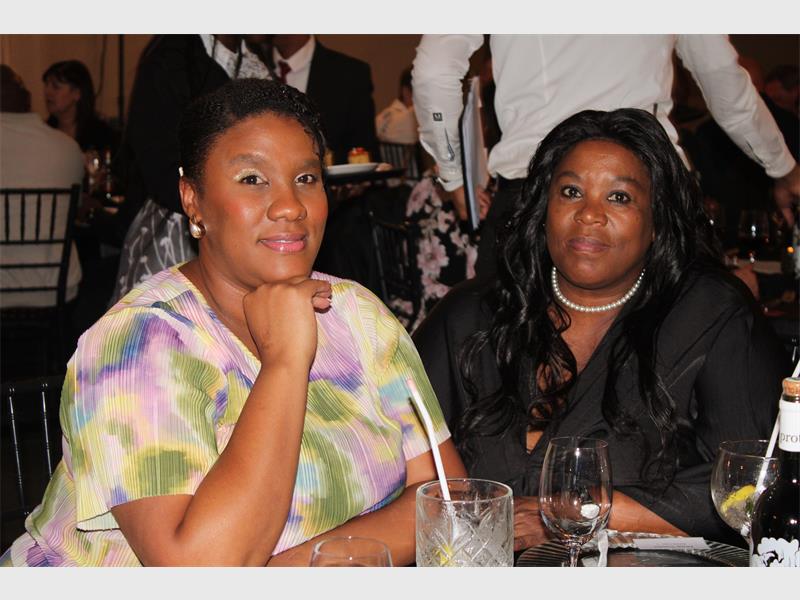
“We have emphasised that protecting infrastructure is not only a public safety issue but also an economic priority. However, this is not a problem that governments or utilities can solve alone. It requires collaboration between the public sector, private businesses and the broader community,” Ndala said.
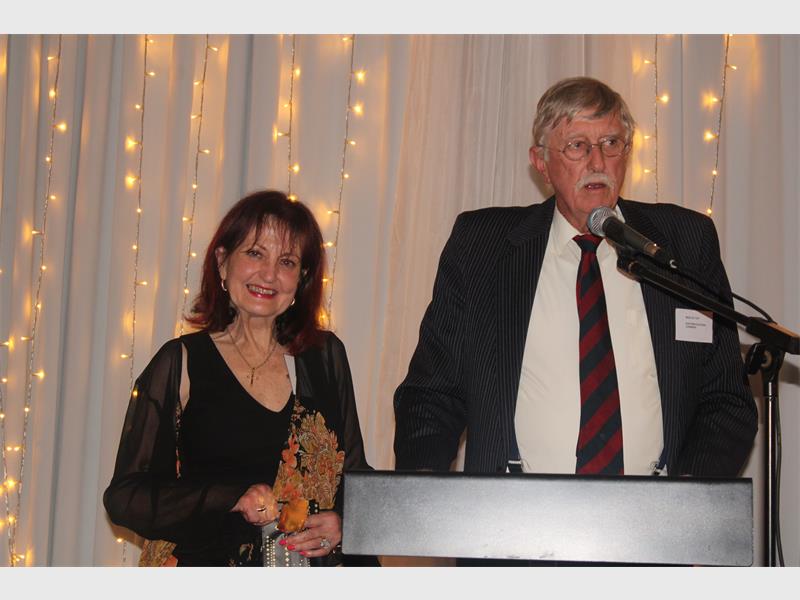
Ndala also said Springs has been becoming stronger, attributing this to the support from local businesses.
“The Springs area has a proud industrial heritage; for decades, businesses have contributed to employment, economic growth and community development. It is our responsibility to ensure that this legacy continues for future generations. But none of these efforts will succeed without your participation.
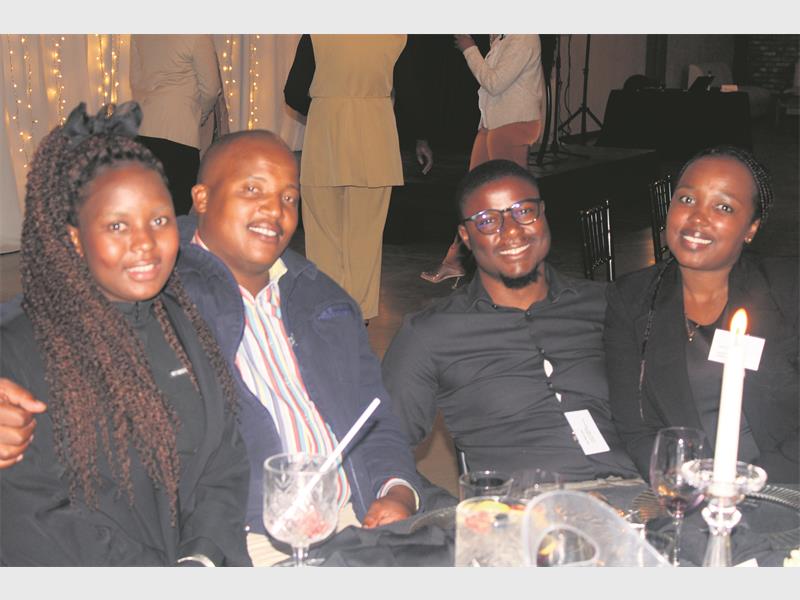
“The chamber is only as strong as its members – your involvement, your ideas, and your willingness to work together are what make this organisation very effective,” he said.
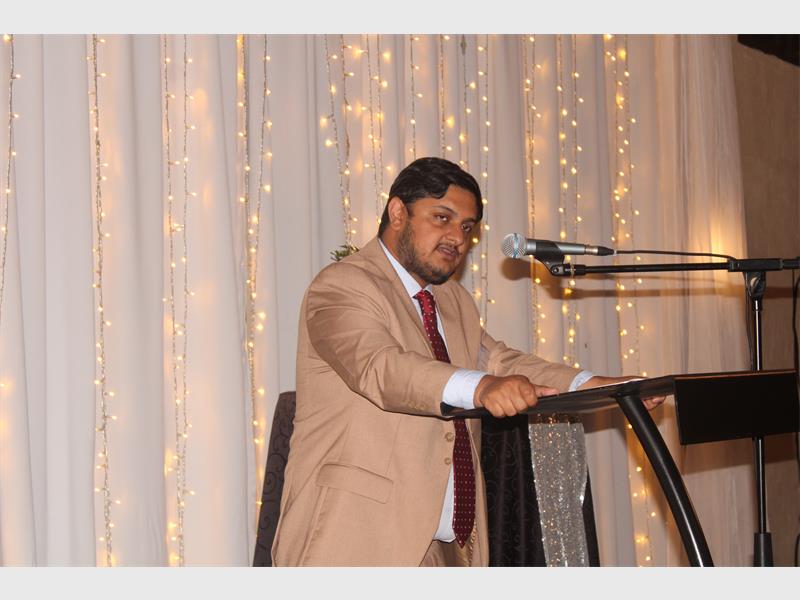
The Minister of Public Works and Infrastructure, Dean Macpherson, was scheduled to speak as a guest speaker but was unable to attend due to another commitment in Cape Town. His segment was instead delivered by the Deputy Finance Minister, Ashor Sarupen.
Sarupen stressed the importance of collaboration between the government and the private sector through concession models, particularly in key infrastructure sectors such as ports, freight rail and energy.
He explained that under concession agreements, private companies are granted the right to operate state-owned assets for a fixed period, often around 30 years, on the condition that they make significant capital investments to improve and maintain the infrastructure.
Sarupen said efficient ports and logistics systems were critical for South Africa’s economy, warning that delays at harbours could result in export losses.
“We’ve got to have efficient ports. We can’t have citrus rotting at the harbours,” he said.
He pointed to existing concession models, such as the N3 toll route between Johannesburg and Durban operated by a private concessionaire, as an example of how the approach can work while the state retains ownership of the assets.
According to Sarupen, the government is increasingly looking to public-private partnerships and concession agreements to unlock private sector investment, particularly in infrastructure sectors that require significant upgrades.
He added that improving the country’s freight rail network remains a priority, noting that much of the infrastructure had deteriorated over time, while Transnet carries significant debt.
During the question-and-answer session, one of the attendees asked Sarupen about what the Iran-US war means for local businesses and how it will affect the country. He responded that South Africa will continue to get its fuel supply from Angola, Nigeria, and India.
“Unfortunately, refining capacity in SA has collapsed over the last several years, and we have one refiner left.
Thirty-one percent of our imports come from Saudi Arabia, which is the largest. We have enough fuel in reserve for strategic reserves to prevent any shortages for the next eight weeks,” Sarupen said.