
Specialist shares benefits of advanced plasma-assisted surgery
Dr Devesh Ramdhani explains how modern intracapsular tonsillectomy techniques can improve recovery and reduce postoperative discomfort.
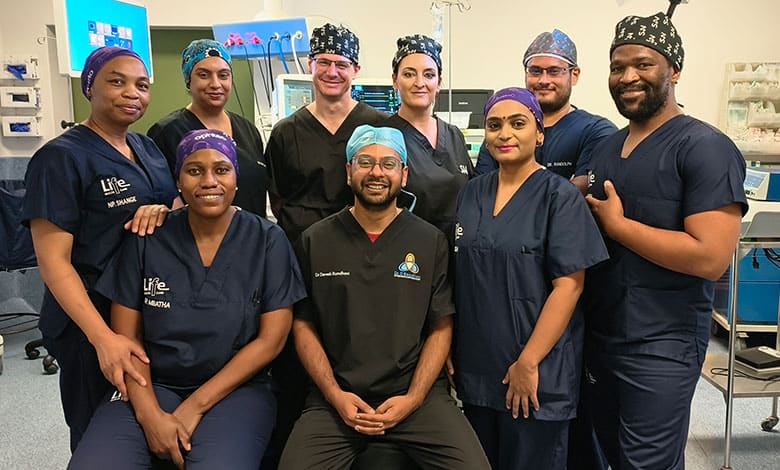
Parents and patients often have questions about tonsil removal procedures. Dr Devesh Ramdhani, Otolaryngologist (ENT) surgeon at Life Westville Hospital, discusses modern intracapsular tonsillectomy using coblation, recovery benefits and when surgery may be necessary.
How does intracapsular tonsillectomy coblation differ from traditional tonsil removal procedures?
Intracapsular tonsillectomy is a newer surgical technique designed to remove most tonsil tissue while preserving the tonsillar capsule and minimising exposure of the underlying pharyngeal muscles. Using coblation technology, tissue removal occurs through controlled plasma-mediated dissolution rather than conventional sharp dissection.
Unlike traditional extracapsular tonsillectomy, which leaves a raw tonsillar fossa, intracapsular tonsillectomy is associated with less postoperative tissue trauma. Clinically, this results in reduced pain, earlier return to normal eating and drinking, and faster overall recovery.
Another important advantage is a lower rate of postoperative haemorrhage, with reported bleeding rates generally below 1%, compared with approximately 1–3% following conventional tonsillectomy. For these reasons, intracapsular tonsillectomy is becoming an increasingly valuable option in selected patients, particularly where minimising postoperative morbidity is a priority.
Is there an age limit for patients who may undergo this procedure?
Age limits are considered individually; however, surgery is generally not recommended in children younger than two years old.
Following tonsil surgery, the operative site remains involved in essential functions such as swallowing, saliva control, eating and breathing, with speech also affected to a lesser extent. Because healing tissue is constantly in use, recovery can be more challenging in adults.
Children generally heal faster and often experience less postoperative discomfort, which may contribute to improved early recovery. Multiple studies have shown that intracapsular tonsillectomy is associated with reduced postoperative pain compared with conventional techniques. However, tonsil surgery remains uncomfortable during the immediate recovery period. One of the main advantages of intracapsular tonsillectomy is the earlier return to normal swallowing, eating and day-to-day functioning.
When and why should tonsils typically be removed?
For recurrent tonsillitis, clinical criteria are commonly used to determine when surgery is appropriate, especially in children.
Major frequency criteria:
Tonsillectomy may be considered if any one of the following applies:
• Seven or more documented throat infection episodes in one year
• Five or more episodes per year for two consecutive years
• Three or more episodes per year for three consecutive years
• Sleep apnoea
• Recurrent ear infections
Qualifying features:
For each episode to count toward the Paradise criteria, the sore throat episode should be documented and include at least one of the following:
• Fever of 38.3°C or higher
• Tender or enlarged cervical lymph nodes
• Tonsillar exudate
• Positive Group A streptococcal test or culture
• Sleep apnoea
What advice do you have for parents whose children frequently suffer from sore throats or tonsillitis?
Quality of life is an important consideration when evaluating recurrent tonsillar disease. Repeated episodes of tonsillitis can disrupt schooling, family routines and daily functioning, while also affecting a child’s social, educational and emotional wellbeing.
Normal growth and development must also be considered. Restorative sleep plays a vital role in physical recovery, cognitive function and healthy organ development. When sleep is repeatedly disturbed by infection or upper airway obstruction linked to enlarged tonsils, a child’s behaviour, daytime functioning and overall development may be negatively affected.
What symptoms should parents look out for that may indicate a child needs to see an ENT specialist?
Parents should consider consulting an ENT specialist if their child experiences frequent throat infections, enlarged tonsils, snoring, restless sleep, mouth breathing, repeated ear infections, hearing concerns or difficulty swallowing.
These symptoms can affect sleep, school performance, growth and overall quality of life. Early assessment is important, as timely treatment can help prevent ongoing discomfort and support healthy development.
About Dr Devesh Ramdhani
Ramdhani was drawn to medicine through a passion for helping people breathe better and improve their quality of life. Fascinated by the connection between breathing, sleep and overall wellbeing, he naturally found his way into ENT surgery.
He finds it especially rewarding treating airway, sinus, throat and sleep-related conditions, where even small procedures can make a significant difference to daily comfort and health. Outside the operating theatre, Ramdhani enjoys playing the sitar, a classical Indian musical instrument.
Advancing surgical excellence
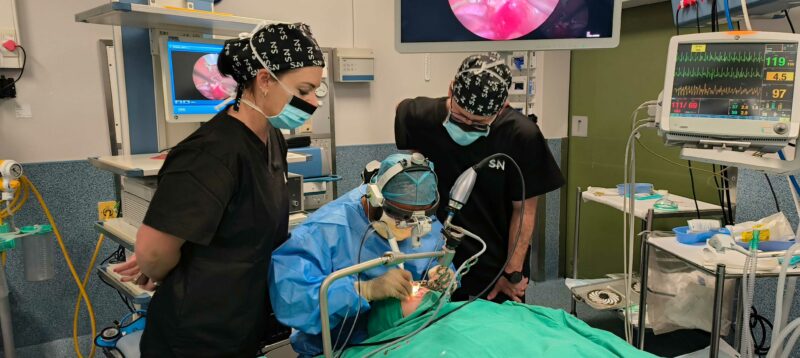
Dr Ramdhani, recently led a live surgery demonstration at Life Westville Hospital.
During this theatre-based session, Ramdhani demonstrated the refined technique of intracapsular tonsillectomy using coblation technology and sleep apnea procedures to visiting surgeons, Dr Tamaryn Danhiller (Bloemfontein) and Dr Gideon van Tonder (Namibia).
“The session reflected the highest standards of surgical mentorship, offering a meaningful platform for the exchange of new operative expertise, regional and international collaboration, as well as continued elevation in patient centred-care. The hands-on theatre experience created an invaluable opportunity for collaboration, knowledge-sharing, and continued advancement in patient-centred surgical care,” explained Ramdhani.
“Life Westville Hospital remains committed to supporting innovation, education and clinical excellence within the medical community,” concluded Ishan Sewpersad, the hospital manager.