
Albert Falls Dam lowest in 22 years
The latest and final rainfall analysis for Albert Falls’ catchments show that in spring of 2017 - September to November - a total of 234mm was received.
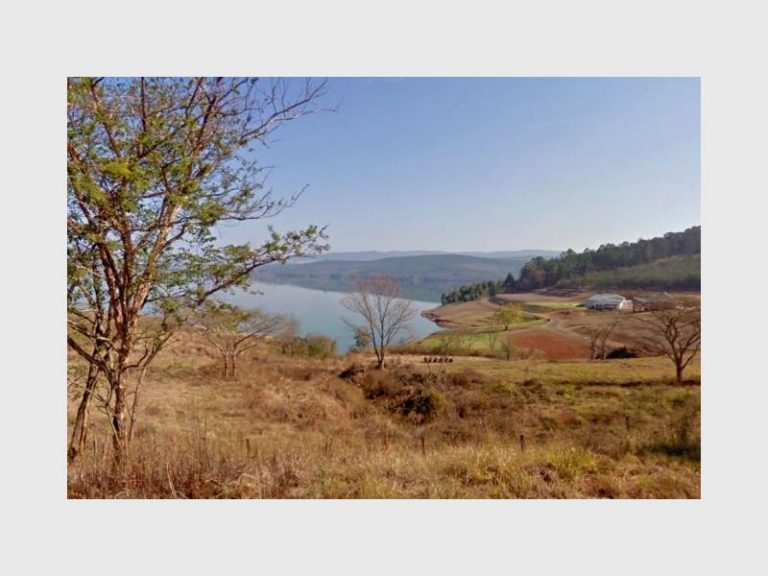
WATER resources in the Albert Falls Dam continue to deplete as a protracted period of below-average rainfall takes its toll on this dam, the largest in Umgeni Water’s operational area,” said Corporate Stakeholder Manager, Umgeni Water, Shami Harichunder.
“The latest and final rainfall analysis for Albert Falls’ catchments show that in spring of 2017 – September to November – a total of 234mm was received.
This is less than 33 mm received in September to November 2016 and also below the 30-year average for Albert Falls.”
KwaZulu-Natal, on average, receives its second-highest rainfall in spring, after summer.
Recent rainfall was received mainly in the coastal belt from north to south, Ballito to Umzinto.
The Mgeni system Joint Operations Committee, established to monitor and manage water resources in the Mgeni system, met on Friday and reiterated the need for water conservation to continue, including the festive season.
The committee also expressed grave concern over the level of Albert Falls Dam.
Little rain in catchment area
According to reports the Mgeni system – Mearns, Spring Grove, Midmar, Albert Falls, Nagle and Inanda dams – did not benefit in any meaningful way from this week’s rains.
The exceptions were Midmar and Nagle where marginal increases of 1% and 2,5% were recorded on Friday, 8 December. On the same day, the level of Midmar was at 77%and Nagle was at 78%.
On Friday, 8 December, the level of Albert Falls was at 19, 65% – the lowest it has been in 22 years.
In 1995 Albert Falls reached 10% following the 1992 – 1994 drought.
The level of this dam is reducing at a rate of 1% per month.
Below average rainfall in Albert Falls’ catchments has been prevalent for at least four years, resulting in this dam first remaining consistently at below 50%, later below 40%, followed by below 30% and then, in 2017, at 20% and now 19, 65%.
In the worst-case scenario, meaning if a period of no rainfall sets in and no water transfer from Midmar Dam takes place, Albert Falls will be reach dead storage in 20 months.
Current forecasts by the South African Weather Service suggest that if above-average rainfall is received, this is only likely to occur at the end of December 2017 or in the first quarter of 2018.
Water retrictions remain
No transfer from Midmar into Albert Falls is taking because Midmar, at a level of 77%, does not have sufficient resources to release to augment Albert Falls. Midmar Dam’s resources have been stabilised through transfer from upstream Spring Grove Dam.
Any release from Midmar at this stage could be a considered a risk because if rains do not materialise, Midmarcould reach dangerously low levels and ultimately dead storage and also it too early to consider looking at this option.
Low level of Midmar could jeopardise water security of at least four million consumers in uMgungundlovu, Msunduzi and eThekwini and also create a situation in which increased restrictions and uninterrupted pumping from Spring Grove Dam would have to be applied.
The combined water resources in the entire Mgeni system are currently at 50%.
This is insufficient to meet the full demand of the three municipalities.
A minimum of 75% is required to meet the municipalities’ full needs, meaning unrestricted supply and use of water.
As part of management initiatives, Umgeni Water has reduced potable water production by 15% and municipalities are also applying mandatory water restrictions of 15%.
These measures were implemented in order to ensure that water available lasts until dams begin filling again.
Restrictions of 15% water are being implemented in about 80% of eThekwini, all of Pietermaritzburg and all of uMgungundlovu.
These restrictions will remain in place during the festive season.