
The psychology behind school rivalry: what fuels the competitive spirit?
Educational psychologist Lana Coetzee unpacks the emotional impact of these rivalries on players and supporters, highlighting the importance of sportsmanship, resilience and mutual respect.
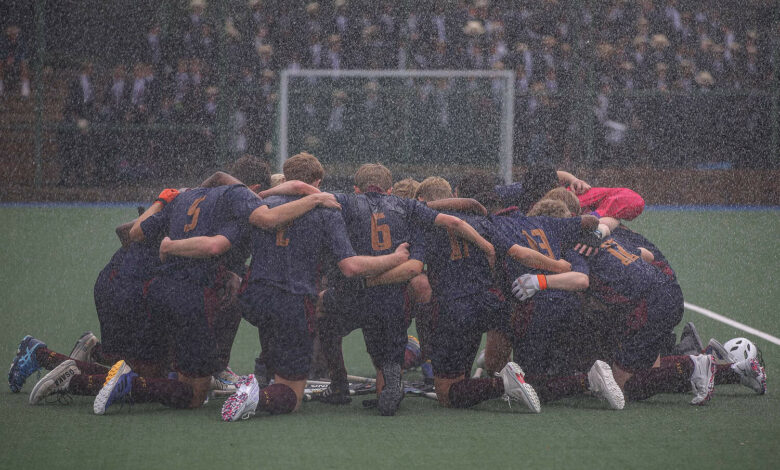
School sports rivalries have long been a staple of the educational experience, often sparking intense emotions and fierce competition.
While the thrill of a hard-fought match can instil a sense of pride, loyalty, and school spirit, it also carries the risk of negative emotional consequences when things don’t go as planned.
Below: The rivalry between Jeppe Boys and KES is one of Joburg’s oldest and most intense schoolyard battles.
@bedfordview.edenv #JeppeBoys is ready to face off against their rivals #KES in Kensington, Joburg this weekend #JeppevsKES
@bedfordview.edenv King Edward VII School and Caxton Local Media invite SA schools to join them in showing their support of the Springboks in the 2023 Rugby World Cup. The Joburg school boys showed their support of our men in green and gold, and more specifically Old Ed’s boy and Springbok hooker Malcolm Marx by performing a chant before the Springboks’ first RWC match against Scotland on Sunday. #MalcolmMarx #KES4Bokke #Caxton4Bokke #StrongerTogether #Bokke #Springboks #RWC2023 @Kes Boys @Springboks.rugby @Rugby World Cup
The psychological factors behind these rivalries are complex, shaped by a combination of determination, community identity, and the pressure to win.
The challenge lies in striking the balance between fostering healthy competition and avoiding the harmful impacts of overly aggressive rivalries.
Lana Coetzee, a registered educational psychologist and head of Psychological Support Services at Rand Park High School believes that an intense emotional connection to sport, for both players and fans, can drive competitiveness and an urge to win, and foster a sense of identity and community, but also feelings of frustration, disappointment and shame if games are lost.
“Healthy rivalries generate a feeling of pride and patriotism to the school and help to build the school spirit based on the shared experience and excitement of winning. However, when the focus is mainly on the idea of competition and winning, the rivalry becomes too aggressive due to the pressure to win. This can lead to great disappointment as well as anxiety and a sense of shame in the case of a loss.
Therefore, it is very important to rather encourage a healthy sense of competition, mutual respect and good sportsmanship,” said Coetzee.

So, how do the rivalries that will take place at sports festivals affect the players and supporters?
According to Coetzee, if managed correctly, the rivalries teach young sportsmen and women how to compete fairly and how to be able to handle both victory and defeat.
“If the emphasis is on the love of sport and good sportsmanship, it will foster a culture of healthy competition and develop qualities like teamwork, respect and resilience, all of which are essential for the growth and development of South African sports.”
When it comes to rivalry, schools should be cautious of over-emphasising winning, as there is a fine line between creating a feeling of shared community, and putting so much pressure on learners that the rivalry becomes detrimental.

“Positive encouragement is good but any emphasis on winning where learners are left feeling shamed or made to feel like they are a disappointment to their school if they do not win damages the establishment of healthy sportsmanship amongst the youth and ultimately within the broader country.
“It should not fuel aggression in sports but rather build a healthy sense of community where success can be celebrated and defeat can be accepted with resilience and dignity,” concluded Coetzee.