
Understanding food labels: just what exactly are you buying?
Start by analysing the ingredient that’s the most familiar to you and gain as much information as you can about this ingredient
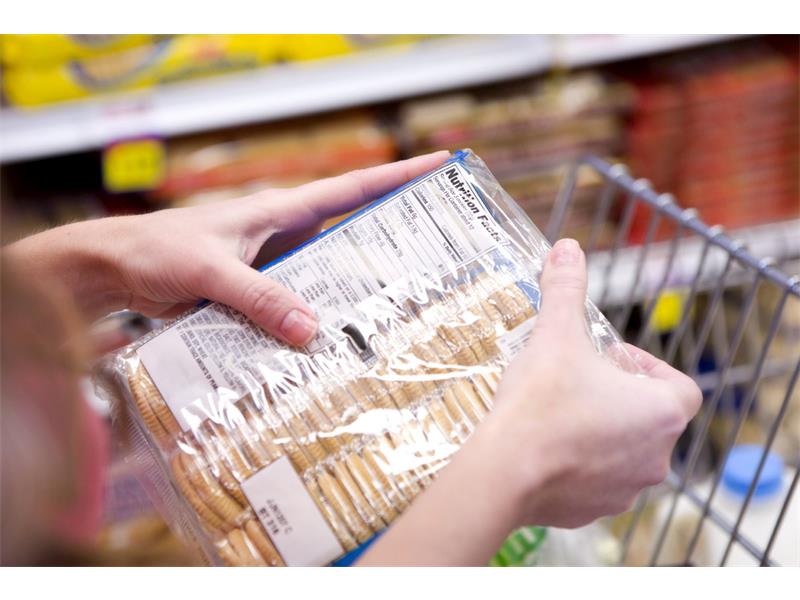
Reading food labels is a task that many people find extremely confusing and often neglect.
Shoppers tend to go for items that have an appealing label which make the product itself look appetising. It is unfortunate that the reality is many shoppers purchase items that look good on the outside without thinking about whether it may be good or not for the inside of their body.
Consumers need to stop being seduced by fancy advertisements that are only broadcast for the benefit of sales. Food labels are actually there to help us and it’s time to take advantage of the detailed information at your fingertips.
To know how healthy a food really is, start with the food label. Ingredients are listed in order of amount, ie starting with the ingredient that makes up most of the food first and then carries on listing the rest of the ingredients in descending order as they make up less and less of the product.
Next, look at the nutrients and fats listed. Start by analysing the ingredient that’s the most familiar to you and gain as much information as you can about this ingredient.
Consumers need to look out for foods that are low in carbohydrates and not be drawn to words like ‘Light, ‘Lean’, ‘Sugar-Free’ and ‘Less Fat’. Many reasons have been given as to why a low carb diet should be embraced. There are lots of reasons to take on a lower-carb way of eating such as all the health benefits, which include lower blood pressure, blood glucose, and triglycerides. The weight loss aspects as well as the physical and emotional benefits also come along with it.
Other things to take note on food labels include:
Allergy warnings: all food labels need to state whether the product contains any allergic ingredients, eg ‘lactose free’, ‘may contain traces of nuts’ or even ‘contains MSG preservatives’.
Organic: Organic means foods that are not grown with the aid of fertilisers or pesticides and that the food has been farmed on organic land.
Health claims: labels may not claim that food can treat, prevent or cure a disease or medical condition, such as ‘calcium-enriched to prevent osteoporosis’.
In essence, all food labels are required by law to provide a list of ingredients, amount of carbohydrates, fats and protein, often also the amount of fibre, vitamins and minerals and serving size. Look out for misleading phrases on labels and think carefully about what the product contains compared to the marketing claim.
Check the list of ingredients and always opt for fresh foods that are low in saturated fat, trans fatty acids, sodium and sugar, and higher in fibre.
Homemade and fresh alternatives are always better than packaged goods. For instance, making your own mayonnaise is far healthier than the store bought mayonnaise.
Information: The Diet Everyone Talks About