
The powerful healing of Rooibos
Health facts on Rooibos tea that you can benefit from
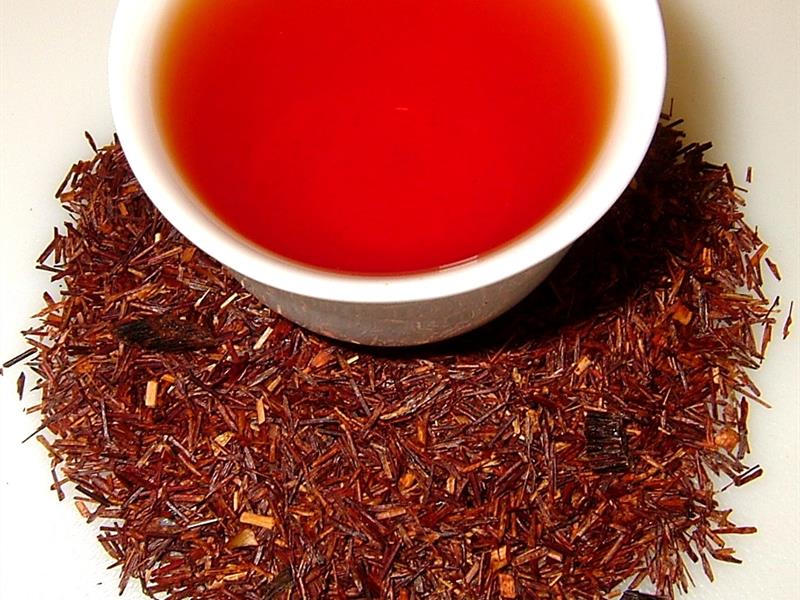
GENERATIONS of South Africans have been enjoying the natural sweet and revitalising taste of Rooibos since its discovery by botanists in 1772. Little did they realise the powerful and natural healing properties of this rare and unique plant from the cold, windy, south western tip of Africa.
These healing properties were discovered in 1968 by Dr Annique Theron when she noticed the healing capabilities of the Rooibos tea on her allergic daughter. Further research showed her the amazing anti-allergic capabilities of the Rooibos tea.
In the 1980s Japanese and American scientists found a powerful and stable antioxidant called Super-oxide Dismutase in Rooibos tea.
In 1995, Infruitec, a South African research company, as well as Dr Charlene Marais of the University of the Free State, found and verified that Rooibos tea did indeed have the following properties: anti-allergic, anti-spasmodic, anti-bacterial, anti-ageing, anti-viral, antioxidant and has no caffeine and very low tannin from pure Rooibos leaves.
Because Rooibos tea is low in tannin, it won’t deplete baby’s natural iron reserves during pregnancy or feeding while the protein absorption and metabolism remain undisturbed. It also contain calcium to ensure normal development of teeth, bones and the nervous system, as well as magnesium and zinc for healthy skin and hair.
According to an article in the American Magazine Natural News:
Green tea has competition, and not just of the light kind. The word “rooibos” (roo-ee-bosh) means red bush and is a native South African herb, so rich in antioxidants, it supposedly puts green tea on the run. There is enough research and evidence to show the range of health benefits attributable to rooibos tea including reducing the risk of heart disease and inhibiting ageing.
Prof Marnewick, who has been actively involved in Rooibos research over the past 15 years, explains that it is not only the level of antioxidants, but also the specific combinations of bio-active compounds in Rooibos that are important. “The health benefits from drinking Rooibos tea will also be different for every person – depending on your overall health status,” she adds.
Scientists are still unravelling the complex pathways whereby the active compounds in Rooibos can play a role in disease prevention, but several studies done on skin, liver, heart and oesophagus models, researchers have shown that traditional rooibos offers similar (and sometimes even better) health properties compared to green Rooibos.
Researchers at the Cape Peninsula University of Technology found that both traditional and green Rooibos were able to protect and aid recovery of hearts tissue in rats following damage of the heart.
A recent study at South Africa’s Medical Research Council showed that green and traditional Rooibos could play a significant role in preventing or slowing down cancer of the oesophagus.
A collaborative study in Europe showed that both green and fermented Rooibos significantly increases the antioxidant capacity in human blood, thereby boosting the body’s natural defences.
In an earlier study on skin cancer in mice, researchers at South Africa’s Medical Research Council found that traditional rooibos was even more effective than green rooibos at inhibiting cancer.
Annique health and beauty products, a South African company, has been for the past 30 years in the forefront in manufacturing health and beauty products based on the Rooibos plant. Research started in 1968 by Dr Annique Theron has shown the enormous benefit of the Rooibos leaves in tea without any secondary effects.
Information supplied by Annique Salon in Kempton Park (011-391-5905).