The common types of barcodes and where they are most often used
There are so many different types out there - and each with its own specific use case. How must one know which one to choose or what each one is used for? We will look at the most common one-dimensional and two-dimensional barcodes.
The advance of technology in all industries has led to the many different variations of barcodes that exist in the world of today. Some are specific to the manufacturing industry, some are only found in the healthcare industry. Despite the many types of barcode, each is designed for a specific purpose within a specific industry and ultimately used to make businesses run more efficiently and effectively.
The big question every new business owner selling products will eventually ask is “what barcodes do I actually need”? There are so many different types out there – and each with its own specific use case. How must one know which one to choose or what each one is used for? We will look at the most common one-dimensional and two-dimensional barcodes.
One-dimensional barcodes
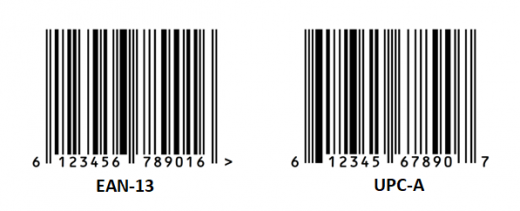
The most common barcode standards that you will find are the EAN and UPC barcode, used in almost every retail outlet, large and small, throughout the world. The main difference between the two barcodes is simply that the EAN barcode has a 0 in front of it, making it 13 digits long, instead of 12 digits long like the UPC barcode. There also exists a smaller version of these barcodes called the EAN-8 barcode that is a shortened version of the EAN standard and is only 8 digits long. It can be used for small products such as pencils or pens. Both EAN and UPC standards are used by retailers to track inventory and sales. The vast majority of retail chains in South Africa will require you to have registered these barcodes for your products.
If you are wanting to publish and sell a book or a magazine, you will need to purchase ISBN and ISSN barcodes respectively. These standards are used to control and manage the publishing of any publications such as books, newspapers, magazines, journals, etc. ISBN and ISSN numbers can be acquired from the National Library of South Africa, while the barcode linked to the number must be acquired from barcode sellers.
Besides barcodes for individual products, there is also a standard designed for the bulk sale of individual products – namely, the ITF-14 standard. These are also called Box and Case barcodes and are used when you need to supply your products in bulk (more efficient than one at a time). Some retailers will require box/case ITF-14 barcodes in addition to your single-product EAN / UPC barcodes. An example of this is if you are supplying bottles of wine in cases of six. Each individual bottle will have an EAN barcode, which will be linked to the ITF-14 barcode on the case (identifying the case as 6 bottles of wine).
Two-dimensional barcodes
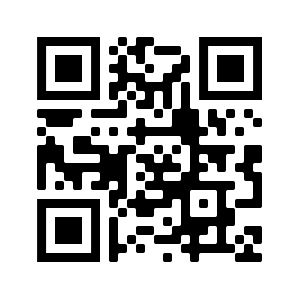
Another type of machine-readable code that is becoming very popular throughout the world is the two-dimensional Quick Response (QR) code. The benefits of these codes are that they are more complex and thus can store information, most commonly website addresses. QR codes look like a 2D matrix with black squares that are situated on a white background.
These QR codes are used in a multitude of ways. First and foremost, they are used in mobile payment applications, such as Snapscan. This and similar smartphone apps allow people to pay for goods and services by simply scanning a QR code, which then redirects the user to the application with the payment details displayed. With many clients choosing to carry less cash around with them, being able to pay for things with their mobile phone is highly convenient.
Another way that one can use QR codes is to promote your business by connecting your clients to more information about all that you can offer them. All that they have to do is scan your QR code to be taken through to your website where you can showcase your business and let them know about any promotions or specials that you are currently running.
Tourist destinations have used these special QR codes to provide tourists with more information regarding the tourist attraction and all that it can offer them. For example, at Cape Point Nature Reserve, you can scan a QR code, which will give you a map of the area so that you can get the most out of the experience.
Although there are many barcodes out there, in most cases, you will simply need one or two of the above few barcodes to meet all your barcode requirements. We at Buy Barcodes are here to help you to understand exactly which barcodes are best suited to your specific business needs. Feel free to call us if you have any questions – we’ve heard them all!