
Standing desks – are they good for your back or not?
World Spine Day is marked on October 16 and the theme for this year is straighten up and move
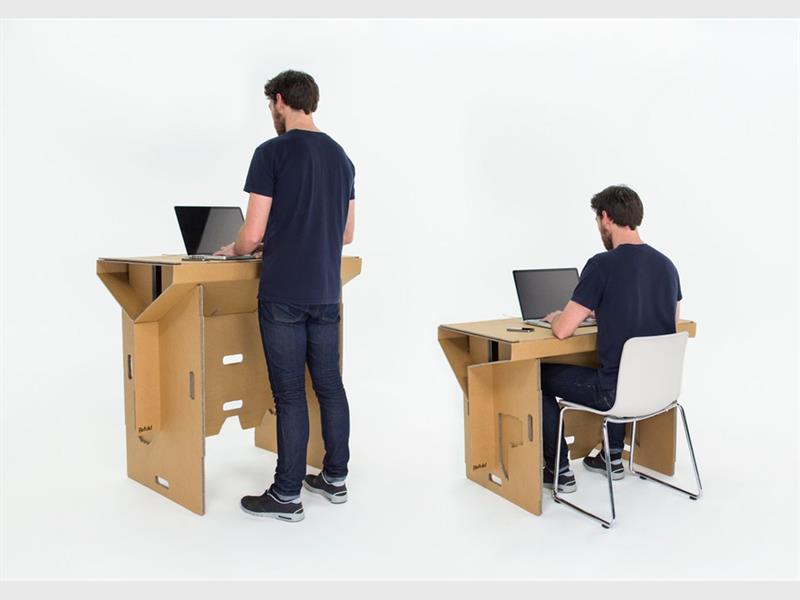
Standing desks are becoming increasingly popular and many office workers use this novel gadget to help relieve back pain.
However, the standing desk was originally designed to reduce the risk of heart disease. Currently there is little scientific evidence to affirm that it aids to alleviate sitting-related spinal pain.
World Spine Day is marked on October 16 and the theme for this year is straighten up and move. The theme places emphasis on the importance of a healthy spinal posture and activity.
“The standing desk was developed to counter the so-called global sitting epidemic,” says Prof Quinette Louw of the Division of Physiotherapy at the Faculty of Medicine and Health Sciences of Stellenbosch University.
“Research has linked sitting for long periods of time – like most office workers do – with an increased risk of heart disease. Using the standing desk engages more muscles and increases a person’s metabolic rate, which could be protective against heart diseases.
“In general, most people purchase a standing desk to relieve spinal pain and they are not aware of its potential benefits for cardiovascular health,” says Prof Louw. She is currently leading an evidence review with Dr Sjan-Marie van Niekerk to evaluate the evidence into the effects of standing desks.
Evidence that standing desks relieves spinal pain is sparse and results on the effect of standing desks on spinal pain are inconsistent between studies.
“It could potentially relieve pain in some people but it should not be regarded ‘a one-size-fits-all solution’ to relieve spinal pain, says Prof Louw. She explains that person specific factors such as the underlying pathology of the spine and other contributing factors must be evaluated on an individual basis.
For instance, if you have osteoarthritis, increased spinal joint compression while standing for long periods may increase pain. A common misconception about standing desks is that many people think they should stand for prolonged periods, but current guidelines suggest that standing should be done at intervals of 15 to 20 minutes.
“Maintaining any position for too long, whether you are sitting or standing, could strain the neural, muscle and joint systems and cause pain. Changing your position regularly is thus important and a standing desk adds value by providing an alternative working position,” explains Prof Louw.
Prof Louw makes the following suggestions on how to keep your spine healthy while working on computers:
1. While sitting, avoid spinal positions that are too upright or too forward. Find a comfortable neutral zone and regularly move your spine within this zone.
2. Make sure that your desk is not too low – the top of the monitor should be just below eye level.
3. Vary your computer tasks. We found that mouse clicking, in particular, is associated with static postures and pain.
4. Regularly change your working position or posture.