
Dam levels remain low despite the rain
It could take more than three years for dam capacity levels to recover from the current drought
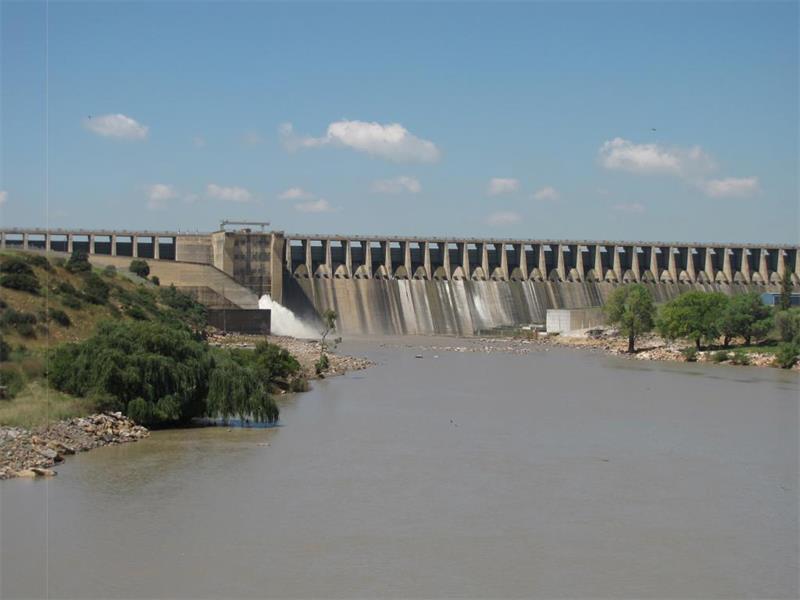
The Department of Water and Sanitation says the country’s latest dam levels remain low despite the sporadic rainfall and isolated thunderstorms experienced in some parts of the country last week.
Trevor Balzer, a deputy director general at the department, said this when he briefed the portfolio committee tasked with overseeing the departments that are collaborating in dealing with drought relief efforts.
“We monitor all our major dams across the country on a weekly basis using fairly real-time information. The current dam levels are standing at 53 per cent, only a 0.2 per cent increase in terms of week-on-week.
He said the sporadic rains we had and the high intensity thunderstorms did not add a lot to our dam capacity.
He said the current levels were quite low compared to last year’s dam storage, which stood at 79.5 per cent.
According to the weekly report, as of March 14, all provinces showed slight increases in dam levels, with the exception of the Free State and the Western Cape, which have decreased.
In the Free State, the Gariep Dam stood at 52.6 per cent, which was a 1.3 per cent decrease due to the fact that water from the source was used by Eskom to generate power.
The Western Cape dam storage levels stood at 34.7 per cent and according to the report, the levels were driven down by dams in the winter rainfall area. The Voelvlei Dam is of particular concern at 20.8 per cent.
Hazelmere Dam in KwaZulu-Natal stood at 34.3 per cent, and the 50 per cent water restrictions are set to remain in force.
The Vaal Dam levels in Gauteng decreased by 0.6 per cent to 48 per cent, while the Sterkfontein Dam increased slightly by 0.2 per cent to 88.3 per cent. Katse Dam saw its volumes increasing by 1.9 per cent to 65.7 per cent.
Balzer said it could take more than three years for dam capacity levels to recover from the current drought.