
New plan for informal settlements
"After carefully assessing the situation, we discovered that with such a huge housing backlog, we must find a way of making these areas liveable."
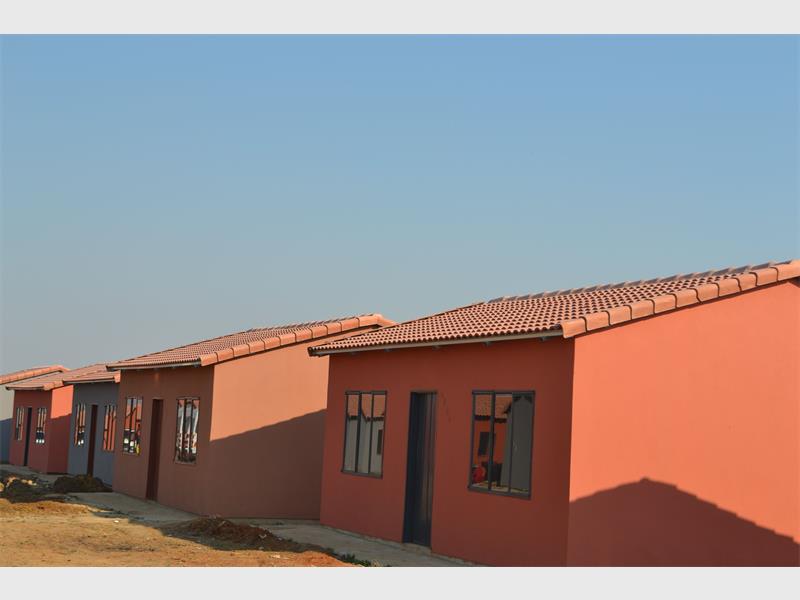
The City of Ekurhuleni is changing the face of informal settlements.
In this regard, the City has adopted a programme called re-blocking which will see informal settlements turned into liveable human areas.
“We have 119 informal settlements in our area. We therefore have a responsibility to ensure that the living condition of our people in these areas also improves,” said Ekurhuleni’s executive mayor, Clr Mondli Gungubele.
“After carefully assessing the situation, we discovered that with such a huge housing backlog, we must find a way of making these areas liveable – and the answer was re-blocking.”
Re-blocking is a process of reconfiguring the current layout of informal settlements and reorganising the ground plane in such a manner as to optimally utilise space to promote the health, safety and well-being of households, with a particular focus on promoting accelerated service delivery to informal settlements,” the mayor said.
The City believes that through this programme, there will be an integrated urban structure; a safer integrated public realm; improve access for emergency vehicles; creating safe and convenient paths for the movement of pedestrians; open spaces for essential community facilities; and broadening access to municipal services.
“We are now in the process is doing occupancy audits of all our informal settlements. This will enable us to understand how many informal structures we have and how we should restructure them so that we can provide key essential services,” he said.
“Already all our informal settlements receive basic services such as clean water, sanitation, waste management, access roads and high mast lighting – but we are now saying what more can we do while they wait to be relocated to formal areas someday.”
He said the Winnie Mandela informal settlements in Tembisa and Ekuthuleni in KwaThema are the first to be targeted, with audit already being undertaken and electricity being rolled out.
In responding to the housing backlog, Clr Gungubele said the city has adopted the densification policy, which involves the creation of high-rise human settlements well located within public transport corridors for easy movement between work and home, and in locations where there is access to opportunities, networks, capabilities and facilities that can support various types of livelihoods.
“This is why we are now using high-rise buildings, which will allow us to optimise the number of houses produced per development. These developments include fully-subsidised units, rental stock and bond units for people earning between R3 500 and R18 000 per annum,” said Clr Gungubele.
As part of this programme, 250 units are already under construction at the Delvile and Fire Station areas in Germiston.