
#Careers – Pastors are called and trained
Pastor Welcome Thamsanqa Mlungisi Dlalisa talks about being a pastor.
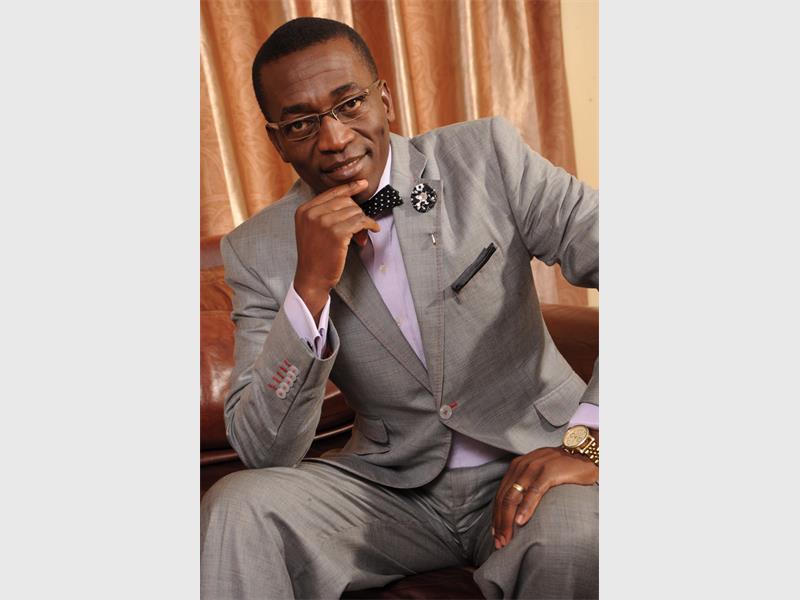
When people are faced with career choices they seldom consider the pastorate as an attractive profession.
Also read: Careers: Estate agent cares for her customers
Many perceive pastors as social entrepreneurs whose non-profit organisations (churches) have a fundamental mandate for caring and instilling moral values in society.
Pastors look for viable methods of meeting their social responsibilities and that, for many, can be the most fulfilling gift.
The Tembisan spoke to Pastor Welcome Thamsanqa Mlungisi Dlalisa about the prerequisites of being pastor.
Dlalisa is our regular contributor on entrepreneurship, writing for Tembisan’s Entrepreneur’s Brew.
He said pastors can complete their theological training at universities, colleges and Bible schools. “However, you need to make sure that the school that you attend is both accredited and recognised before you register, because there are many fly-by-night institutions that do not offer credible curriculums for Bible studies.”
“Personally, I attended Bible school and completed both a certificate in ministry and my Diploma in Ministry.
“Recently I have come across people who are asking me how you become a pastor. My answer is simple. You need the calling and the preparation. This is not like any other job that you just decide to do,” said Dlalisa.
He said one needs training to equip oneself for the work of ministry.
“The other question people ask me is what training or skills are required to become a pastor? Although the Bible does not prescribe specific training, it strongly promotes the need to study or to undergo training as a minister of the gospel.”
“The minister or a pastor must be a workman (tested by trial), which suggests formal schooling. The pastor must skillfully and accurately teach the Word. The main function of the pastor is to rightly divide the Word, and it requires training. This perhaps is the main reason why training of a pastor is vital.”
“Each pastor must teach the correct doctrine of Jesus Christ and this requires training.”
“As I have indicated, the training can be formal or informal. Informal training means you need mentor/s who are senior men and women of God who are experienced. These mentors will guide you and show you the practical aspects of ministry. Informal training also includes your continuous professional development by attending seminars, workshops and conferences.”
Dlalisa said there are other key issues that must be in place in the life of any minister or pastor.
“You must be called by God and this is the starting point.”
He said one must be officially ordained into ministry and that is in addition to, and separate from, attending Bible school.
“You must belong to an association or fraternal of other pastors.”
He said modules covered at Bible school include:
– How to study the Bible.
– Why we study the Bible.
– Integrity of the Word/Bible.
– Foundational Doctrines of Christ.
– How to recognise the voice of God.
– Aspects of faith.
– Leadership and finance.
– Prayer.
“I cannot fully exhaust the list of all the training courses that I underwent as a pastor. However, the list above gives an indication of some of the topics that can be covered in Bible school. You also cover things like management, anointing, counselling, administration, marriage, sermon preparation, deliverance and so on. The main issue here is that a pastor must be a trained practitioner and an anointed servant of God. To reach that level, you must undergo the training – even if it is informal through mentoring.
“Looking at this, to be a pastor is no simple task. You are effectively a community worker and development activist. It is not for money but is a serious mandate to transform lives and change destinies,” said Dlalisa.
“You become a philanthropist in your community. It is a big job and an honour, if done correctly.”
For more information, call Pastor Dlalisa on 083 395 1165.
#Career