
Egg prices may not be as festive
The cost of egg distribution is also likely to increase following the recent fuel hike
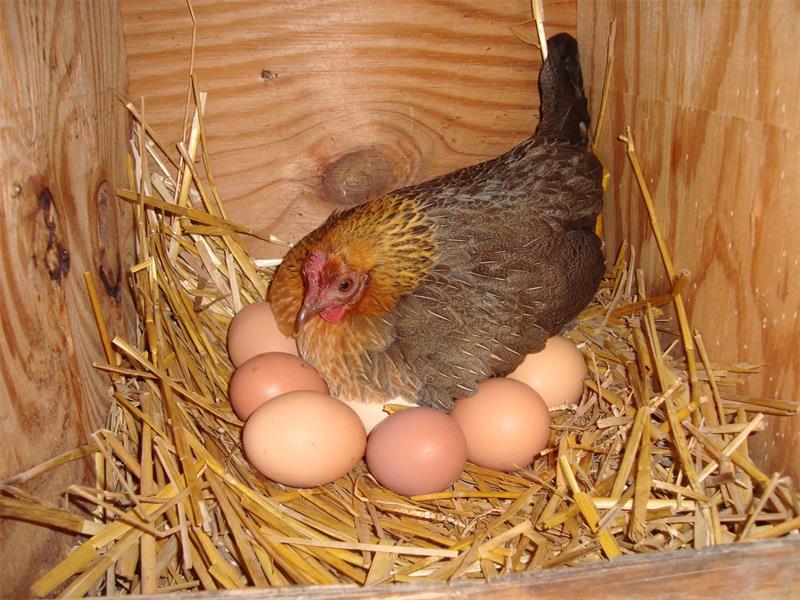
The price of eggs is set to increase further after a significant jump in the past few months, owing to the outbreak of the Avian Influenza during 2017.
The Influenza hit the poultry industry as it was starting to recover from the drought which saw many commercial and particularly small farmers struggling to keep up with the increase in the price of feed towards the end of 2016 and the beginning of the current year.
Also read:
• Avian flu: What you need to know
• 400 000 birds to be culled on Germiston Farm
Paul Makube, senior agricultural economist at FNB Business says, “The increase in egg prices is subject to demand and supply dynamics with the Influenza outbreak having a major influence on the recent spike. The impact on prices has been more pronounced in the Western Cape due to the culling of layer hens and the subsequent supply shortages on the region’s shelves.”
According to the latest data from Statistics South Africa (StatsSA), the price of eggs increased by 8.5% year-on-year during October. This trend is likely to continue in the short to medium term as supply shortages are likely to last up to a year.
The impact on South Africa’s consumer is likely to see egg prices increase in the range of 15% to 20% in the next few months. The industry has already recorded a 12% year to year decrease in the average weekly egg production during September, according to the SA Poultry Association (SAPA).
The cost of egg distribution is also likely to increase following the recent fuel hike which will eventually be passed on to the consumer.
Demand will, however, not change very dramatically with per capita consumption remaining around 7.9kg per person per year.
Makube says the downstream impact is that retailers will be selling eggs at higher prices this festive season, therefore consumers will pay more for a tray of eggs.
“The upside is that the price increase will help producers to recoup losses as they are still servicing debt incurred during the last drought. It will further place them in a better position to repopulate and increase their production which will eventually benefit the consumer in terms of an affordable source of protein,” adds Makube.
The relatively lower maize prices will continue to improve the profitability of the sector in terms of low feeding costs. Maize prices have fallen by 53% and 38% from last year to R1,879/ton and R1,827/ton respectively for white and yellow maize.