
Desco’s in-depth recycling processes
Desco's electronic waste recycling expertise is demonstrated through the processes they have put in place at their secure facility.
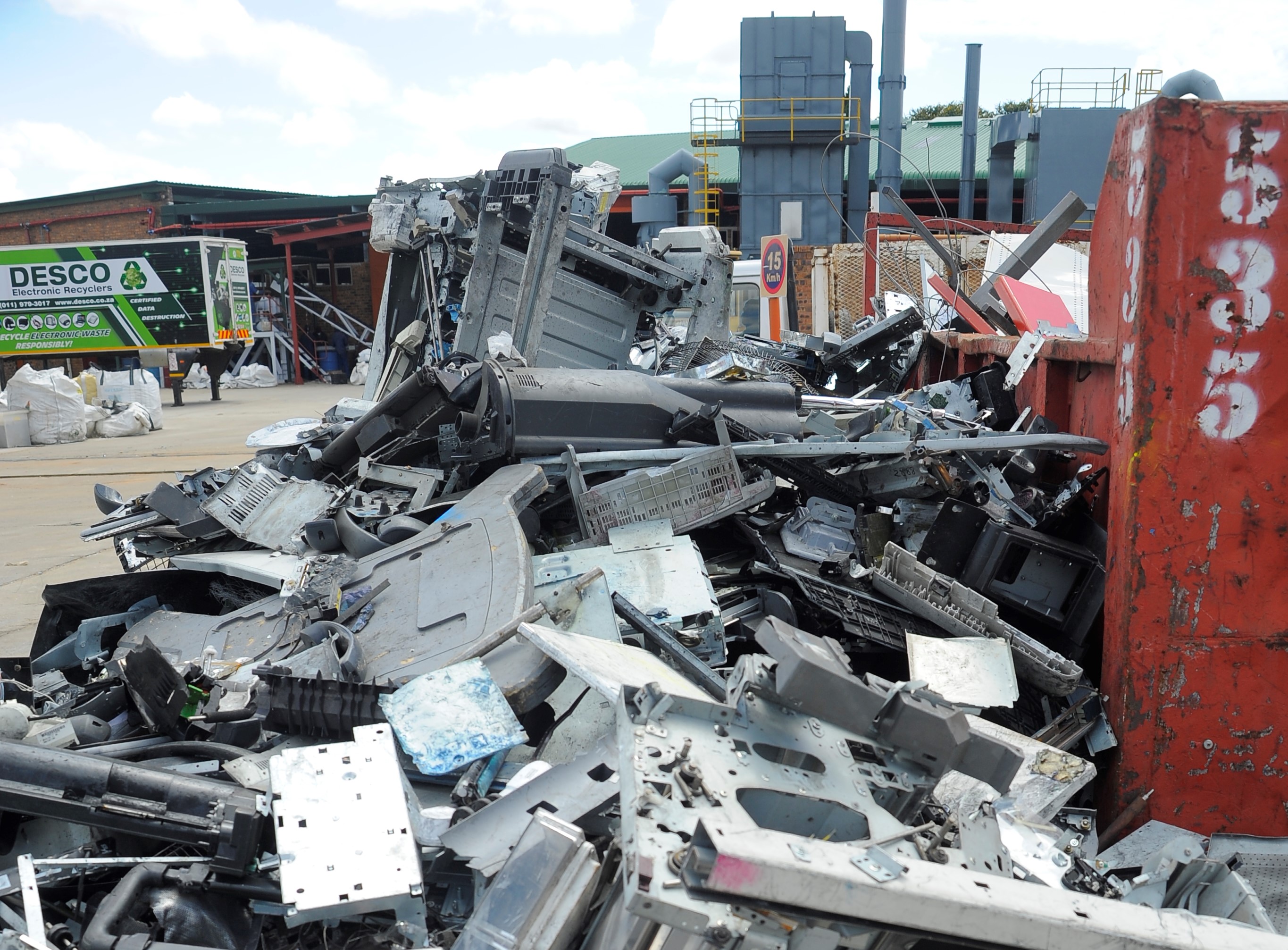
Desco is a thriving, environmentally responsible and accredited recycler of electronic waste. Desco’s excellent business reputation has been earned by complying with the highest local and international e-waste management practices.
It is a fact that electronics contains various toxic and hazardous chemicals and materials that are released into the environment if they are not disposed of properly. It is also a fact that many of the materials used in making these electronic devices can be recovered, reused and recycled.
It is for this reason that Desco has put in place stringent recycling processes for surplus, broken and obsolete electronic devices.
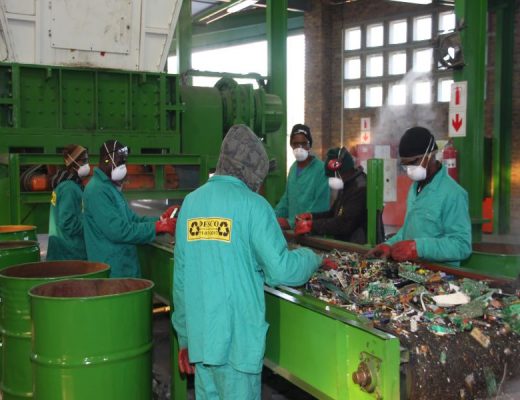
Desco’s recycling processes can broadly be subdivided into collection and transportation as well as sorting, separation and shredding. Collection and transportation are the first steps in this process which involves either Desco collecting e-waste from customer premises or customers dropping off their e-waste at Desco premises. After the transportation stage, the e-waste is weighed to ascertain the weight. Materials are then separated and efficiently processed through sorting, separation and shredding to extract and separate materials and valuable metals.
What is involved in sorting, separation and shredding?

- Material is collected by Desco depending on the value or received as drop off by client
- Material is stored for 7 days as stipulated in the Second Hand Goods Act (Act 6 of 2009)
- Material is then moved to the dismantling section to be disassembled by labourers
- Once disassembled, the materials are placed into separation bins which keeps each fraction together. This refers to steel (ferrous metals), aluminium (non-ferrous), plastic, PCB which can be non-hazardous fractions and hazardous fractions
- All fractions except PCBs are sold to accredited specialized downstream vendors to be recycled in order to be put back into the market to create new products – thus completing the circular economy.
- PCBs are shredded onsite. The metals are separated from the plastics and shipped to the refinery for extraction of precious metals such as gold, silver, palladium & copper. This too completes the circular economy so that the materials or metals recovered can be used in newer modern electronics
How is e-waste material value assessed and payed for?
If the client strips the ewaste down which most do as a means to survive, they get more per individual fraction (fraction of waste refers to the grouping of waste according to its properties). I.e. ewaste is one price but the printed circuit board (PCB) is one price and so is the cable, power supply, steel, CD ROM. It is only when the client strips the valuable items out and the unit is harvested to sell it to Desco as a full unit are they payed less. I.e. if a client sells a full computer box in comparison to a computer box that has no PCB or power supply, then Desco pays them less, because they have removed what is valuable and sold it elsewhere. In some cases like printers, clients strip the PCB which is the most valuable component and sale the plastic and hazardous fractions (toner and cartridge) to Desco, in this instance again they are paid less.
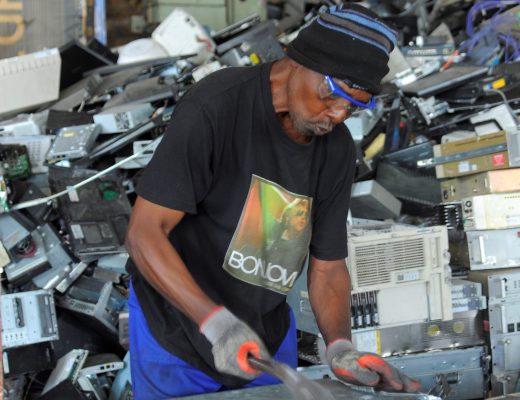
Apart from ensuring the workers are supplied with quality safety gear which protects their eyes, hands and other body parts from harm, Desco has continued to invest in modern plant machinery which ensures that the recycling process and recovered fractions are of high quality. The vast mechanical plant at Desco is equipped to efficiently shred and separate metals from plastics/fibreglass.
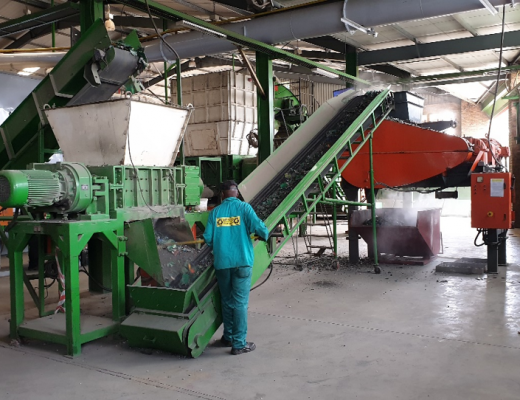
Speaking in an interview, Desco’s process engineer Enrico Airaga, who is responsible for managing the plant, highlighted the critical importance of the plant and the changes in e-waste availability recorded over the years.
“This plant enables us to separate the value of the e-waste we receive. So much has obviously changed over the years with technology taking root in many places. You now discover that value for e-waste materials like circuit boards has gone down and there is also a sharp increase in plastic and less of precious metals, but we try to keep up with changing e-waste supply and demand dynamics”, says Enrico.
While minor process adjustments are made depending on the materials being recycled, the above Desco process is what makes this recycler a trusted service provider. For e-waste collection and recycling matters, Desco can be contacted here.