Bikers urged to train as ‘lifeguards’
A lifeguard is trained to bridge the gap between a victim and more professional support
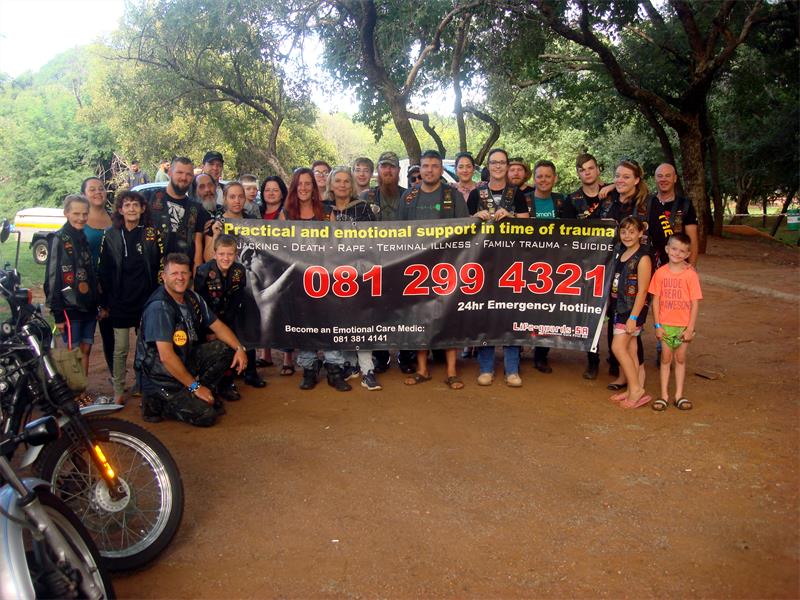
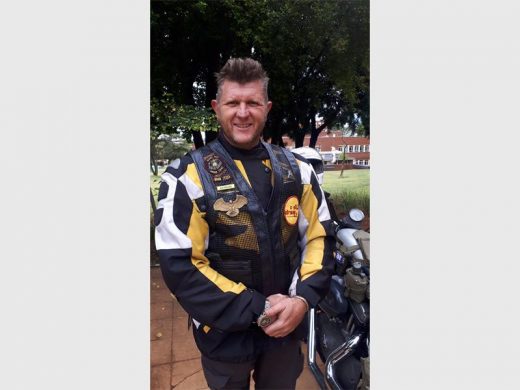
Bürd Cordier, principal of Lifeguards SA and a biker club chaplain from Kempton Park, plans to put together a team of biker lifeguards to respond to physical and emotional trauma cases at schools, hospitals and old age homes.
“The aim is to attend to emotional trauma caused by events such as suicide, bullying, rape, abuse, accidents, etc. This is a call to people who own motorcycles, whether they belong to a bike club or not, to take part in this project. Non-bikers are also welcome.”
Cordier said a lifeguard is trained to bridge the gap between a victim and more professional support such as medical services, legal advice, pastoral care and psychiatric attention.
“Lifeguards SA is a non-profit project that offers free emotional support following a traumatic. The training also includes a guide with ways to react at an accident scene if you’re the first to arrive, for instance,” said Cordier.
“The main goal is to train lifeguards in as many communities and cities around South Africa as possible.”
Once the project has gained its full potential in manpower, they aspire to include call centres that can offer practical and emotional support.
“Call centres will assist to identify victims’ needs and connect them to the proper professional channel, effectively bridging the gap between the victim and the rescuer.”
Cordier said training a lifeguard takes about 10 hours, which includes theoretical and practical training. The minimum age requirement to become a lifeguard is 14 with written permission from a parent or guardian.
“Topics discussing children and minors, victim support, physiological and psychological response to trauma and legal restrictions, are just some of the subjects covered in the lifeguard manual. Lifeguards will be required to compile a list of professional services in their own community, such as the police, hospitals, safe havens, psychologists, churches, qualified counsellors and drug rehabs.”
Cordier spoke about his life-changing experiences when he set out to do humanitarian work in Indonesia after a tsunami had struck in 2005. He formed part of a rescue team that went abroad to do basic first aid, body recovery and eventually got involved in trauma care for survivors, especially children and orphans.
“There were hundreds of children who had just been orphaned, and we spent time with them, playing games and drawing pictures. It was devastating, I’ve never cried so much and so often.”
His passion for treating victims of trauma started there.
The training fee is R500 a person, which includes a training package, certification and a membership fee for the first year. Remember, a lifeguard is not trained to provide a professional service, unless he has previously qualified in a certain field.
“We merely assess a situation and direct people to the correct professional service or authorities,” Cordier assured.
Cordier’s feminine counterpart, Chané Meyer, said female victims of trauma who would prefer to work with a woman, can contact her.
Enrolment has started for a team to be trained. For more information, visit www.life-guardssa.yolasite.com or contact Cordier on 081 299 4321 or email Meyer on help@lifeguardssa.co.za.