
Buckle your child properly and ensure safety on the road
If the car seat is upright, especially for infants, a slight impact could cause a neck injury. Good quality car seats have an indicator showing where the 45° incline angle is.
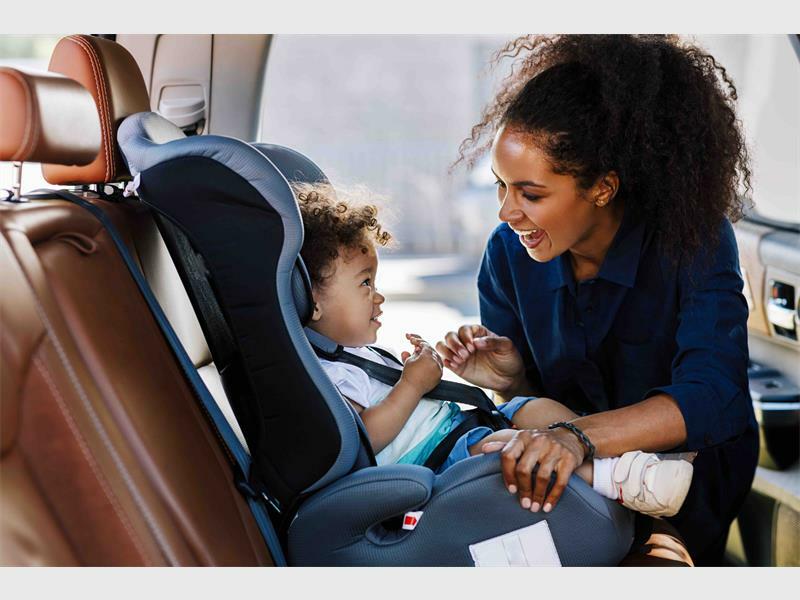
South Africa’s road traffic fatality rate is well above the global average, and road traffic accidents are still one of the top causes of death in children younger than 10 years old.
It is crucial to ensure a child passenger’s safety by using a seatbelt and a car seat if one is available.
However, when it comes to car seats, some common mistakes could impact their efficacy.
ALSO READ: Department of Health hosts food safety awareness in Thembisa
Here are some of the top car seat mistakes:
Incorrect installation
“A slightly loose seat that moves forward, backwards or sideways is a significant indicator that something is wrong,” says Jarrod Berman, the managing director of MotorHappy.
“The car seat should be tightly secured and not move more than a few centimetres side to side or front to back.”
Before buying a car seat, find the most compatible one for your car.
Carefully read the car seat manual and your car’s safety manual to ensure it is installed correctly.
Car seats are expensive, and a used car seat might sometimes be the only option.
However, try not to buy a car seat that is more than six years old because car seats expire after six years from the date of manufacture and start degrading over time.
ALSO READ: City hosts Safety at Schools Dialogue with various entities
If your car seat is second-hand, familiarise yourself with the installation instructions as much as possible.
Loose straps
While you do not want the straps to be too tight, leaving some space makes children vulnerable to being yanked out of the car seat in case of impact.
Conduct this test to check if the straps are tight enough:
• Place your fingers on the harness where your child’s collarbone is.
• Try to pinch the strap and see if you can get some material between your fingers.
• If you get a good pinch, your straps are not tight enough.
• If you can’t put a finger between your baby and the strap, it might be too tight.
Bulky clothes
ALSO READ: EMPD provides safety tips for parents
Now that the colder weather has arrived, your child will probably be bundled up in a warm jacket or bulky jersey.
“Remove your child’s jacket before strapping them in because if the jacket is bulky, it might seem as if the straps are tight enough.
“Rather, remove thick outer clothes and cover your child with a blanket once strapped in,” said Berman.
Wrong incline angle
Rear-facing seats recline at a 45° angle so the child can slant comfortably.
If the car seat is upright, especially for infants, a slight impact could cause a neck injury. Good quality car seats have an indicator showing where the 45° incline angle is.
Not using the car seat’s top tether
Most parents overlook this important feature and assume all other harnesses are good enough.
However, the top tether significantly reduces the seat’s forward motion and the risk of head injury in an accident or abrupt braking.
The top tether could also reduce the effects of other car seat mistakes, such as loose installation and harnessing.
Not using a car seat at all
“When you drive to the shops around the corner, you might be tempted not to secure your child in the car seat.
“However, most accidents happen close to home, when our guard is down because of the familiarity of the roads and lower speeds. Avoid this thinking and be sure to strap your child in the car seat every time,” said Berman.
Children younger than three years are legally required to be restrained in a car seat.
Moving to a bigger car seat too early
In the case of a collision, rear-facing seats provide more protection for a child’s body.
Children should stay in a rear-facing car seat until at least the age of two or until they exceed the height and weight recommendations of the seat manufacturer.
The same applies to moving from a car seat to a booster seat – be careful not to transition too quickly.
Keep your child in a car seat until they are a minimum of 18kg and/or four years old.
Most seat belts are designed for adult passengers, and it’s safer to secure your child with the five-point harness of a car seat for as long as possible.