
Underestimating wet roads costs lives, paramedics warn
Rainfall creates slippery and potentially hazardous road surfaces, making it essential for drivers to remain vigilant.
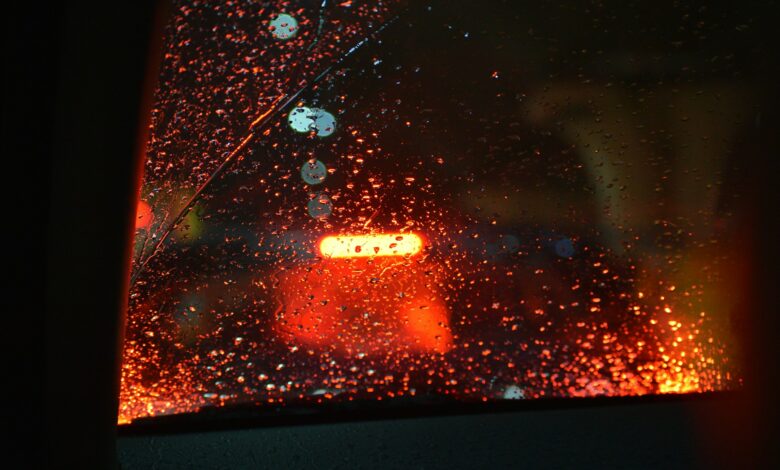
Wet weather creates hazardous driving conditions that significantly increase the risk of road accidents.
Netcare 911 has issued an urgent appeal to motorists to exercise caution when driving in rainy conditions and to take simple, practical steps to reduce the risk of crashes.
“Every year, emergency medical services see the tragic consequences of rainy weather on our roads, often due to drivers not realising that vehicles handle very differently on wet surfaces,” said Netcare 911 spokesperson Sarah Kekana.
Prepare your vehicle
Drivers are urged to ensure their vehicles are in good working condition before taking to the road.
Basic safety checks should include brake performance, wheel balance and alignment, and ensuring tyres have sufficient tread and are inflated to the correct pressure.
“When storms and heavy rainfall strike unexpectedly, visibility is often reduced. In terms of the National Road Traffic Act, windscreen wipers must be kept in good working order. Drivers should regularly check their wiper blades and replace them when necessary,” Kekana said.
She added that rainfall creates slippery and potentially hazardous road surfaces, making it essential for drivers to remain vigilant for dangers such as flooded roads, low-lying bridges and other unforeseen obstacles.
“The most important principles of driving in wet weather are to significantly reduce speed, increase following distance and keep headlights on to maintain visibility. Drivers should steer and brake gently, indicate clearly and maintain low engine revs to minimise the risk of skidding,” she said.
Aquaplaning: Stay calm
One of the most dangerous wet-weather driving risks is aquaplaning, which occurs when a vehicle’s tyres lose contact with the road surface due to water.
“When this happens, the car’s revs may suddenly increase, the steering can feel light or unresponsive, and the rear of the vehicle may drift uncontrollably,” Kekana explained.
What to do if your vehicle aquaplanes:
- Stay calm
- Do not slam on the brakes
- Gradually ease off the accelerator
- Relax your grip on the steering wheel while maintaining gentle control
- Apply brakes only once control has returned
Also read: SANBS explains why blood can’t be bought or sold
Keep your distance
“In dry conditions, drivers are advised to maintain a following distance of at least three car lengths. In wet weather, this distance should be doubled to six car lengths to allow sufficient time to slow down or stop safely in an emergency,” Kekana said.
Motorists are also advised to keep a safe distance from large trucks and buses, as their tyres create heavy spray that can reduce visibility.
Drivers should ensure they can see a truck’s side mirrors, if not, the truck driver cannot see them.
“Heavy vehicles take much longer to stop, especially in wet conditions, and drivers should avoid cutting in front of them,” she added.
Don’t take a chance
Drivers are encouraged to avoid travelling during heavy downpours and to stay clear of flood-prone or low-lying areas where possible. Those who must travel should check weather forecasts and local updates before setting out.
“Even after rain has stopped, standing water should be approached slowly and with caution. Water is often deeper than it appears, and it takes very little water for a vehicle to become stuck, washed away or for the engine to stall,” Kekana warned.
“If flooding is present, motorists should never attempt to cross low-lying bridges, even if they believe their vehicle can make it across.”
“Rain or shine, your safety is our priority,” Kekana said, encouraging motorists to download the Netcare App, which includes Netcare 911 emergency call and geolocation functions, as well as a 60-second call-back option.
“Countless avoidable accidents occur each year when people underestimate the risks and gamble with their safety. The price of taking such chances is simply too high, prioritise life and choose to stay safe on our roads,” she concluded.