
Ivory Park informal settlement conditions spark concern after DA visit
Residents highlight sewage, overcrowding and service delivery failures.
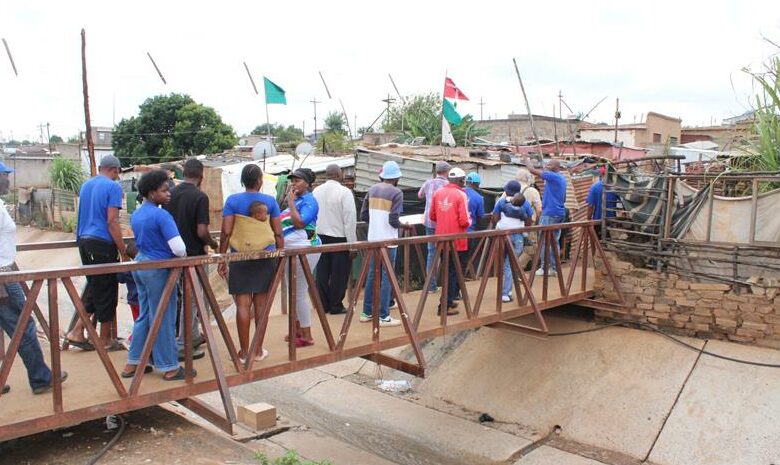
The DA, accompanied by delegations, visited the Fearfokol informal settlement in Ivory Park on April 15 to assess living conditions and engage with residents.
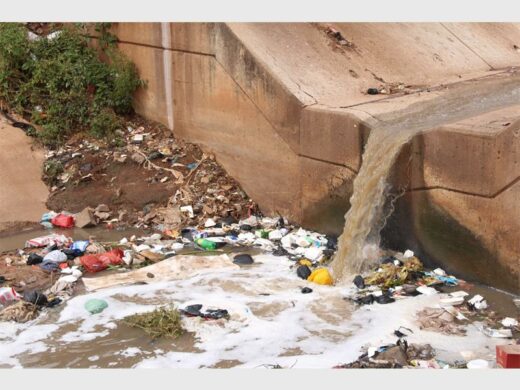
What they encountered raised serious concerns. The settlement is affected by sewage flowing in broad daylight, illegal dumping and blocked sanitation systems.
ALSO READ: Ekurhuleni urged to act as Thembisa residents complain of dangerous roads
The layout of the area further complicates service delivery, with limited access routes and inadequate pathways. Electricity connections are also unstable, posing a significant fire risk to closely built shacks.
Residents said they have lived in the area for several years, with little improvement in conditions. Due to the settlement’s overcrowded, unplanned structure, access to basic services remains a challenge.
They explained that the layout makes it difficult for emergency and municipal services to reach homes.
In some cases, residents have had to carry deceased individuals to nearby roads due to inaccessibility.
Blocked toilets and ongoing sewage issues have further worsened living conditions, leading to growing frustration and a loss of hope among residents.
Many residents believe relocation is the most viable solution, allowing for reblocking of the area to improve access to services, create proper roads and address sanitation challenges.DA shadow MEC for Human Settlements, Mervyn Cirota MPL, said immediate intervention is needed.
ALSO READ: DA welcomes Ekurhuleni sewer upgrades in Thembisa, urges faster action
“The first step is for the city to send a representative to assess the situation and determine how best to address these challenges.
“While housing may take time, residents urgently need access to basic services such as electricity, water and sanitation. The blocked sewage lines, visible waste and ongoing dumping are clear indicators of a deteriorating environment,” he said.
Cirota added that waste collection, especially during rainy periods, and safety concerns must also be prioritised.
“As you can see, the conditions here are extremely difficult, yet people are forced to live in this environment. The government needs to take action at a provincial level.
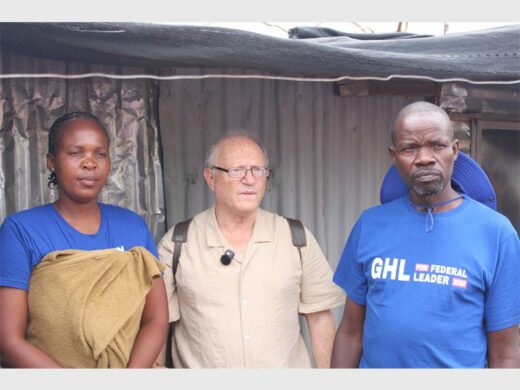
“Officials must come to the area, assess the situation and implement practical solutions. While reblocking is a step in the right direction, it often remains a temporary measure that does not reach its full potential,” he said.
Resident Rachel Kgasago described the conditions as unbearable.
“We live in a very challenging environment. Our children struggle to play, and the smell poses a serious health risk.
“We frequently have to visit hospitals for assistance. The conditions inside the shacks are also affected by the weather, which is extremely cold in winter and very hot in summer. We have lived here for 15 years, and many of us have lost hope. We need help,” she said.
The visit was facilitated by Ward 77 councillor Otto Kgeletsane, who also showed Cirota a nearby piece of land that could potentially be used for relocation.
Although the land is occupied, it is believed to belong to the provincial government and could assist in future planning for the community.