
Campaign urges fair employment of domestic workers
A new campaign is encouraging employers to treat domestic workers fairly and comply with labour laws.
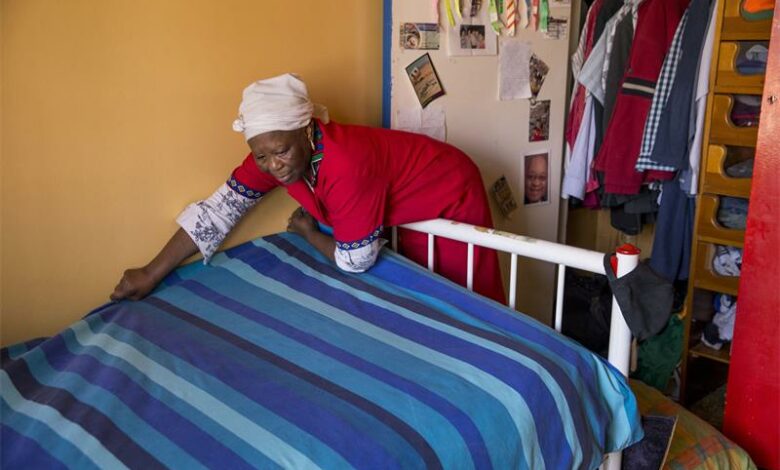
A new national campaign is encouraging employers of domestic workers to create fair, safe and dignified working environments while ensuring they understand their legal responsibilities.
The Dignity in Every Home campaign aims to strengthen awareness of domestic workers’ rights and provide practical guidance to employers on creating respectful and lawful working relationships.
The initiative is led by Izwi Domestic Workers Alliance, the Socio-Economic Rights Institute of South Africa (SERI), the United Domestic Workers of South Africa (UDWOSA) and the South African Domestic Service and Allied Workers Union (SADSAWU).
ALSO READ: SANBS launches Be The Lifeline campaign to honour 25 years of saving lives
The campaign provides three resources: Are You a Fair Employer?, Code of Good Conduct for Accommodating Live-In Domestic Workers, and Employing a Domestic Worker – A Legal and Practical Guide.
These resources offer guidance on issues including fair pay, working hours, leave, dismissal procedures, dignified accommodation and mandatory registration for the Unemployment Insurance Fund (UIF) and Compensation Fund for Occupational Injuries and Diseases (COIDA).
Amy Tekie, co-founder of Izwi Domestic Workers Alliance, said employers need to recognise the responsibility that comes with employing someone in their home.
“As employers, we must understand the responsibility we take on when inviting someone to work in our homes. A cleaner or nanny must have the same labour rights we expect from our own employers,” said Tekie.
She said many domestic workers continue to face challenges, including long working hours, low wages, discrimination and unfair treatment.
ALSO READ: Thembisa learners benefit from nationwide school shoe campaign
“These practices happen behind the closed doors of private homes. It is now time for us to talk about this as a society, to admit that these practices are unconstitutional yet widespread, and to ensure that things change,” she said.
The campaign aims to help employers identify gaps in their employment agreements, understand government registration requirements and manage workplace situations fairly.
A fair employment checklist, available on the campaign website, helps employers assess whether they are meeting their responsibilities. It includes questions about UIF registration, minimum wage payments, respectful treatment and ensuring that ordinary working hours do not exceed 45 hours per week.
The national minimum wage for domestic workers is currently R30.23 per hour. The campaign encourages employers who can do so to consider paying above the minimum wage, as many domestic workers support entire households with their earnings.
The Code of Good Conduct for Accommodating Live-In Domestic Workers also provides guidance for employers who provide accommodation, highlighting the importance of privacy, safety, freedom of movement, equal treatment and protection from harassment and abuse.
The third resource, Employing a Domestic Worker – A Legal and Practical Guide, provides information on employment rights and responsibilities, including working hours, rest periods, wages, deductions, overtime, leave, disciplinary procedures, UIF and COIDA registration, and the termination of an employment relationship.
ALSO READ: EMPD promotes public safety at Phomolong Clinic campaign
The campaign reminds employers that when a domestic worker is employed, a home becomes a workplace and labour laws must be followed.
“Fair employment is not only a legal requirement; it helps build better working relationships,” the campaign states.
All three resources are available at www.dignityineveryhome.org.za.