
Arwyp educates Kempton Park learners on organ donation
Arwyp Medical Centre used a school awareness programme to challenge organ donation myths and encourage young people to share life-saving information.
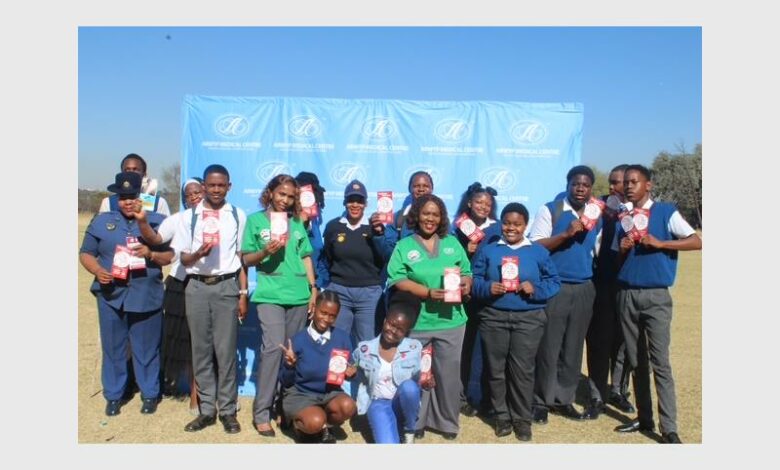
Arwyp Medical Centre hosted an organ donation awareness programme at Sir Pierre van Ryneveld High School on August 25 to educate Grade 11 learners about the importance of donating organs and address common misconceptions.
Matron and deputy nursing manager Noma Mdlalana said the initiative was introduced in response to low levels of awareness about organ donation in South Africa.
“We chose to visit young people because they are the most powerful people to go out and share the information we shared today. We truly hope the learners leave with a better understanding of organ donation and see it as an opportunity to save lives instead of something surrounded by fear,” said Mdlalana.
ALSO READ: Arwyp Medical Centre leads Mandela Day clean-up in Kempton Park CBD
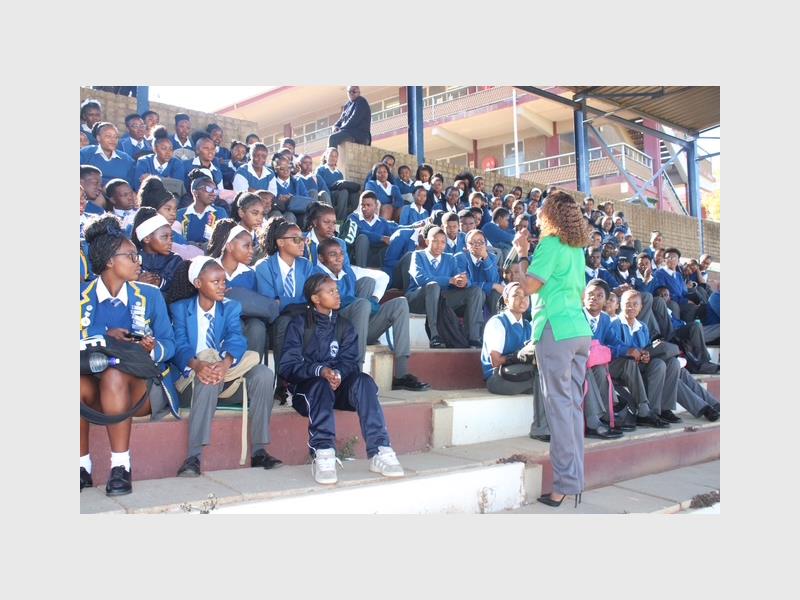
The presentation addressed several common myths, including the belief that donors die immediately after donating, that people are paid to donate organs, and that patients undergoing routine medical procedures could wake up with organs missing.
The learners also heard a personal account from 24-year-old kidney transplant recipient Phamela Mavundza.
Mavundza was born prematurely, and doctors discovered that her kidneys were not functioning properly.
After becoming seriously ill at the age of one, her kidneys were removed and she underwent dialysis.
After waiting four years, she received a kidney from a deceased donor, which she refers to as her “first-born”, Blessing.
ALSO READ: Arwyp Medical Centre’s four decades of legacy, compassion, and community trust
“My upbringing was tough because as a child all you want to do is play, but I couldn’t because basic activities could result in an infection. However, every time I tell my story, it is a reminder that good things can come from rough beginnings,” Mavundza said.
“It is important to show people that organ donation has a positive side, not only the negative myths shown on television and in movies. I am a living product of organ donation.”
Mavundza said she continues to take medication to help prevent her body from rejecting the transplanted kidney and encouraged transplant recipients to follow the advice of their medical practitioners.
Grade 11 learner Samukelisiwe Molele said she was surprised by the number of learners who initially opposed organ donation because of cultural beliefs and concerns about what happens to the body after death.
“This experience was so good; it is always good to learn new things. It was interesting seeing my peers shift from being against donation when the presentation started to being open to understanding the entire process by asking questions,” Molele said.
“I would not mind being a donor myself one day. I would even write in my will that my organs can be taken if it gives someone a second chance at life or is used for research in the future.”
Residents interested in becoming organ donors or learning more about organ donation can visit the Organ Donor Foundation at www.tell.org.za