DR STEFAN HOUGH, chairperson of Birchleigh Ratepayers Association, writes:
To live in Kempton Park is a privilege due to its comfortable climate and harmony between citizens.
We have, however, two monster challenges that need to be addressed and transformed. The first one is from government and the other among citizens.
The present scenario from government can be described as follows: the national government has governed our economic situation to junk status and Ekurhuleni Metro has governed our Kempton Park CBD to a slump status.
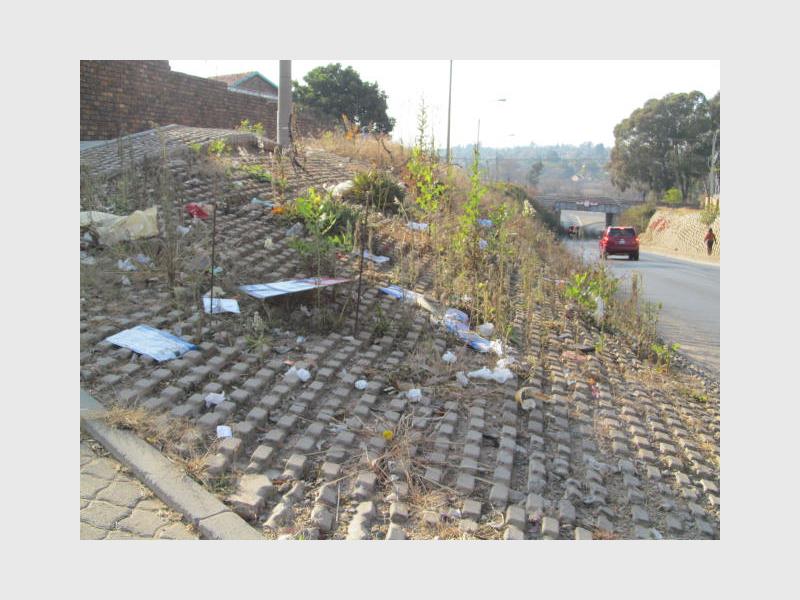
The metro has further turned our townships into derelict and neglected areas.
The other scenario from the citizens is even scarier because, after 20 years, we became so complacent over our dirty surroundings that nobody bothers to improve the situation. Invitations to citizens to attend ratepayers association meetings fall on deaf ears and it now feels like it has become a waste of time.
The metro has deteriorated to such an extent that council meetings have become a waste of fruitful expenditure, because ward representatives are being paid for their attendance, just to see that very little has been done on the official complaints lodged at the previous meetings.
Looking back over all the scenarios mentioned, everyone must agree that we urgently need radical socio-economic transformation because the metro has reduced our area to slum status, making us potential slum-dogs.
The following blueprint for radical changes is therefore proposed:
• Observe the metro’s property valuation role and calculate the value of our properties, per ward.
• Obtain the total amount of rates and taxes paid by the ward’s citizens per month.
• Ensure that every sub-ward (like Van Riebeeck Park) has a representative in the ward council.
• Start with radical transformation by requesting that the full amount of rates taxes are allocated to the ward with our democratically elected ward representative as our “mini-mayor”.
• Ensure that the service level agreement between the metro and citizens are tabled and official.
• Use the ward council meeting as the platform to identify municipal infrastructure improvements, to sustain and improve our property values.
• Schedule the required services and due dates for completion.
• Rules that apply to citizens for non-payment should also be applicable for metro officials for non-delivery.
• Non-performance by the metro on agreed services and delivery dates will mandate a ward to request the channelling of our rates to the ward’s CID account, which will give the ward authority to execute non-delivered services from the CID Account.
What is CID? The Gauteng government realised the weaknesses of the municipal managers and the multiple service delivery protests that they have promulgated Act 12 of 1997: Gauteng City Improvement Districts Act: The purpose of the act is to provide procedures for the formation and independent management of city improvement districts to fund the provision of services in addition to those which a municipality ordinarily provides.
This in order to facilitate investment in the city improvement district; to halt the further degeneration of cities and to promote economic growth and sustainable development within cities and to provide for matters connected therewith.
Therefore it is quite evident that ratepayers need to start with radical socio-economic transformation by getting more committed to the beautification of our area and to ensure that the metro’s political leader follows the rules of the municipal acts and does not steal our monies.