
Go from couch potato to 10km
Getting off the couch and running 10km might seem daunting, but it’s a challenge anyone can conquer with the right approach.
Getting off the couch and running 10km might seem daunting, but it’s a challenge anyone can conquer with the right approach.
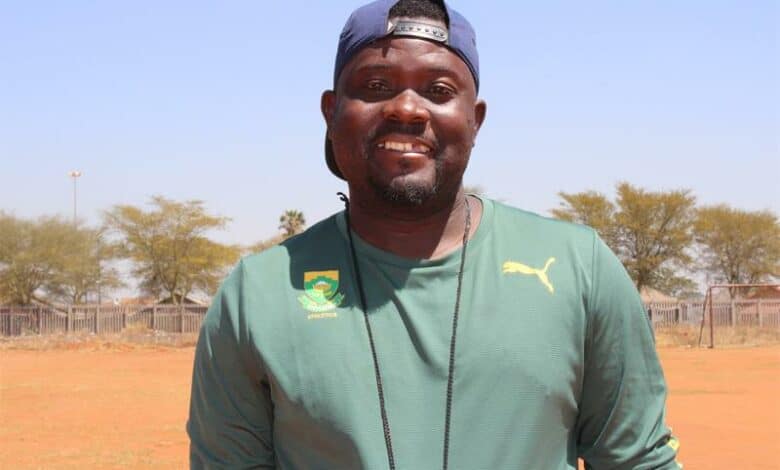
Whether you’re aiming to complete a 10km race or simply looking to boost your fitness, this guide from coach Elvis Khoza will take you step by step from being a complete beginner to crossing the finish line.
Set realistic goals
Before lacing up your running shoes, set a realistic goal. If you’re new to running, aim to complete the 10km rather than focus on a specific time.
“Setting a goal to finish only the distance allows you to enjoy the process and not stress about pace or performance,” said Khoza.
He added that breaking down your goal into smaller milestones, such as being able to run 2km, 5km and then 7km, can make it more manageable and help keep you motivated.
Get the right gear
“You don’t need fancy equipment to start running, but having the right gear can make a big difference,” said Khoza.
He advises prospective runners to invest in a good pair of running shoes that provide the necessary support and comfort.
“Wearing moisture-wicking clothing can also help keep you cool and comfortable, especially during longer runs.”
Follow a structured training plan
A gradual, structured training plan is key to increasing your endurance without overloading your body.
Here’s a 10-week training programme designed for beginners:
• Weeks one and two:
Focus on walking and light jogging. Start with a brisk five-minute walk to warm up, followed by alternating between one minute of jogging and two minutes of walking for a total of 20 to 30 minutes.
Aim to complete three sessions per week, allowing rest days in between.
• Weeks three and four:
Gradually increase the duration of jogging while reducing the walking intervals. For example, jog for two minutes and walk for one. Aim for 25 to 35 minutes each session.
Add a fourth session focusing on cross-training, such as cycling or swimming, to build overall fitness.
• Weeks five and six:
Move to continuous jogging. Start with 15 to 20 minutes and slowly increase the time spent running.
Incorporate one lengthier session per week where you aim to run for 30 minutes or more.
• Weeks seven to eight:
Continue increasing your running time, working up to 40 to 45 minutes.
Add a “tempo run” once a week, where you run at a steady, challenging pace for 10 to 15 minutes in your session.
• Weeks nine and 10:
Focus on running three to four times per week, with one being a “long run’ of about 8km to build endurance.
In the final week, reduce your mileage to rest and recover before attempting the 10km.
Incorporate strength training
Running alone isn’t enough to prepare you for 10km; incorporating strength training can help prevent injuries and improve your overall performance.
“Focus on exercises that strengthen your core, legs, and glutes, such as squats, lunges, and planks. Aim to include strength workouts twice a week,” said Khoza.
Listen to your body
“It’s important to be aware of how your body responds to training.”
If you feel any pain or discomfort, take a rest day or switch to a low-impact activity like swimming.
Consistency is vital, but rest is equally important to allow your muscles to recover.
Practice proper nutrition and hydration
Fuelling your body with the correct nutrients is crucial, especially as the training intensifies.
“Focus on a balanced diet with carbohydrates for energy, protein for muscle repair and healthy fats,” said Khoza.
Staying hydrated is equally crucial; drink plenty of water throughout the day, especially before and after runs.
Test yourself with a 5km
Before tackling the full 10km, test yourself with a 5km run.
“This boosts your confidence and gives you a benchmark of your progress.
“Many local races or parkruns offer 5km distances that you can participate in to get a feel for running in a race setting,” he said.
Prepare for race day
Focus on tapering your training in the week leading up to the 10km.
“This means cutting back on your mileage to allow your body to recover and be in peak condition,” said Khoza.
Plan your race-day outfit, and eat a light, carbohydrate-rich meal the night before. Make sure to get plenty of rest.
Running your first 10km
On race day, start slow and resist the temptation to run too fast at the beginning.
“Find a comfortable pace and aim to complete the distance rather than chase a specific time,” he said.
Break the race into segments, focus on reaching each kilometre marker and celebrate small victories en route.
“Crossing the finish line of your first 10km is an incredible accomplishment. Take time to enjoy the moment and reflect on how far you’ve come,” said coach Khoza.