
Take precautions against diabetes
According to Kellog's South Africa, 2.28-million adults are estimated to be living with diabetes in South Africa.
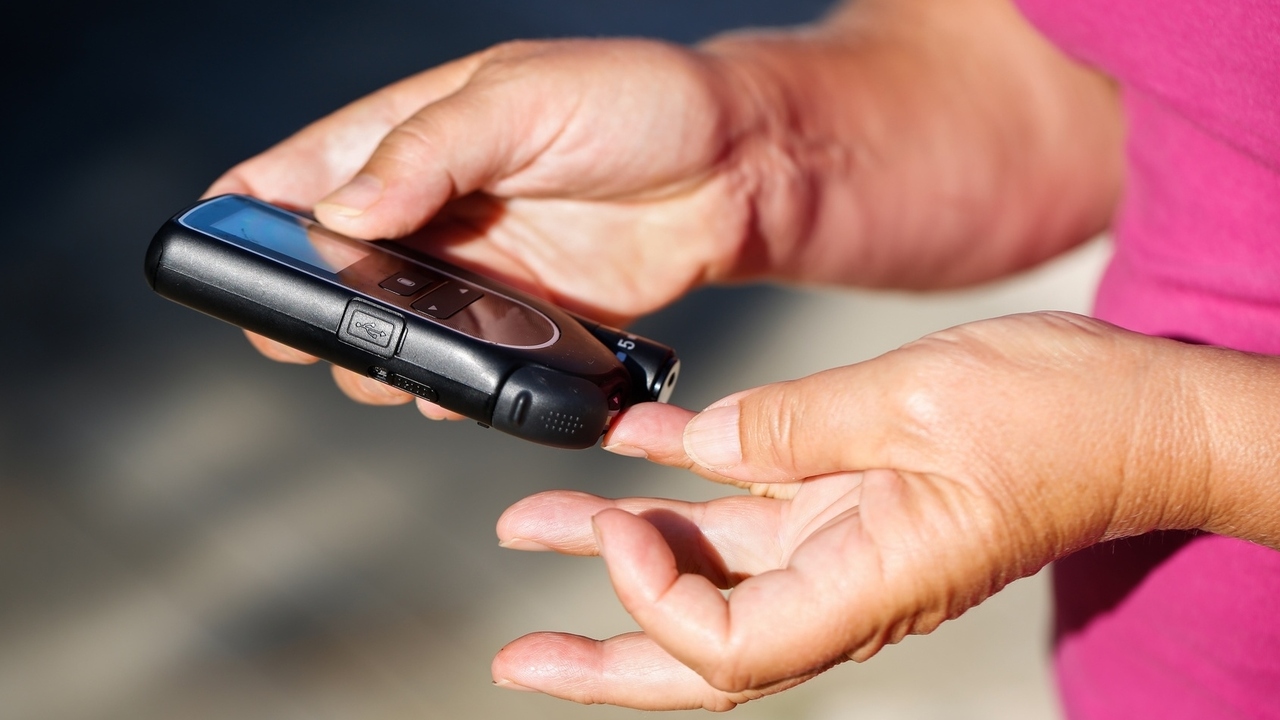
November is World Diabetes month and members of the public are urged to look out for the signs of, and to take precautions against, this deadly disease.
According to Kellog’s South Africa, 2.28-million adults are estimated to be living with diabetes in South Africa.
“Many more cases have been left undiagnosed, so the chances that you know someone with diabetes are pretty good. World Diabetes Day is a good reminder to raise awareness of diabetes, to make sure you know how to spot the symptoms and signs, and how to make the best of a diagnosis,” said the company’s Ms Karabelo Molapisi.
She said diabetes occurs when the body cannot convert glucose [sugar] from food into energy. There are two main types of diabetes, known as Type 1 and Type 2.
“Type 1 diabetes is a result of the pancreas stopping the producing of the blood sugar hormone, insulin. Insulin is a hormone that lowers the level of glucose in the blood, important for energy. Type 1 diabetes usually starts in younger people under 30 and can often be passed down from generation to generation. Type 2 diabetes is caused when the hormone keeping your blood sugar steady does not work properly. Type 2 diabetes is more common than Type 1 and many people who have the condition don’t even know they have it,” said Ms Molapisi.
She said if one suspects that he or she or their loved one could be diabetic, they should look out for signs including; unusual thirst, frequent urination, unusual weight loss, blurred vision, extreme fatigue or lack of energy, frequent or recurring infections, cuts and bruises that are slow to heal, boils and itching skin as well as tingling and numbness in the hands or feet.
Ms Molapisi said although diabetes cannot be cured, with good blood sugar control, it is possible to live a long and healthy life.
Ms Cheryl Meyer, a dietitian, shared food tips to help keep patients’ levels steady.
“Eat regular meals. Diabetics are vulnerable to blood sugar drops when a long period without food occurs, so try and ensure you regulate meals, where possible. This starts with making time for breakfast as soon as you wake up. Also, opt for a healthy breakfast. As far as snacks are concerned, make good food choices throughout the rest of the day. Regular exercise can help to lower blood glucose levels, while reducing stress and assist in reaching and maintaining a healthy weight,” said Ms Meyer.
If parents are concerned about their children having diabetes, they should see a doctor for a blood test.